

My home office sits inside the house, so music plays through every workday. After swapping the room over to a bamboo height-adjustable desk, those aging PC speakers had to go. Picking the best speaker for desk setup took longer than I expected.
AirPods Max work, but wearing headphones eight hours straight gets old. Free ears feel better when I am based at home.
Picking the Best Speaker for Desk Setup
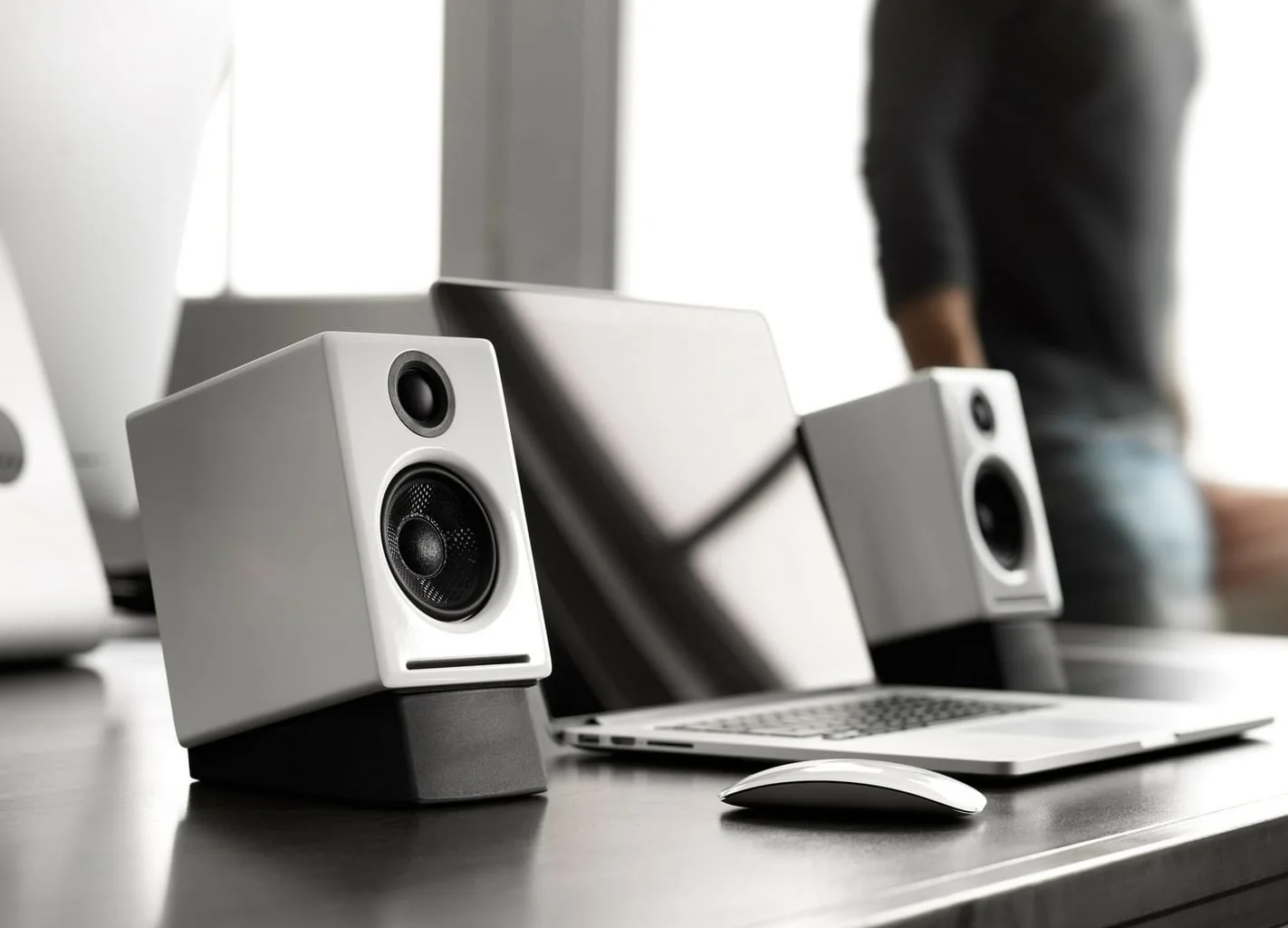
Reviews tend to split desk audio into four groups. Aging budget PC pairs. Gamer rigs lit by RGB. Studio reference monitors. And bookshelf-style models. Being in Australia narrowed what I could try in stores.
I am not a top-tier audiophile. But I wanted music to sound full and detailed. Studio monitors run flat by design, and the larger ones eat up desk room.
Bookshelf-style models with a USB input and Hi-Res certification fit better. If you are still planning the rest of the room, the 42 best desk setup ideas page has plenty of real workspace examples.
First Try: Edifier S880db Hi-Res Active Speakers
Roughly $400 was my starting figure. The Edifier S880db ticked the boxes: USB input, Hi-Res ready, fresh styling.
They sounded clean out of the box. Then a buzz appeared in the left cabinet. Placing towels underneath and adjusting the bass dial did nothing. Edifier suggested I drop the bass and overall volume. That fix did not sit right, so I returned them on Amazon.
Apple HomePod Mini Pair on the Desk
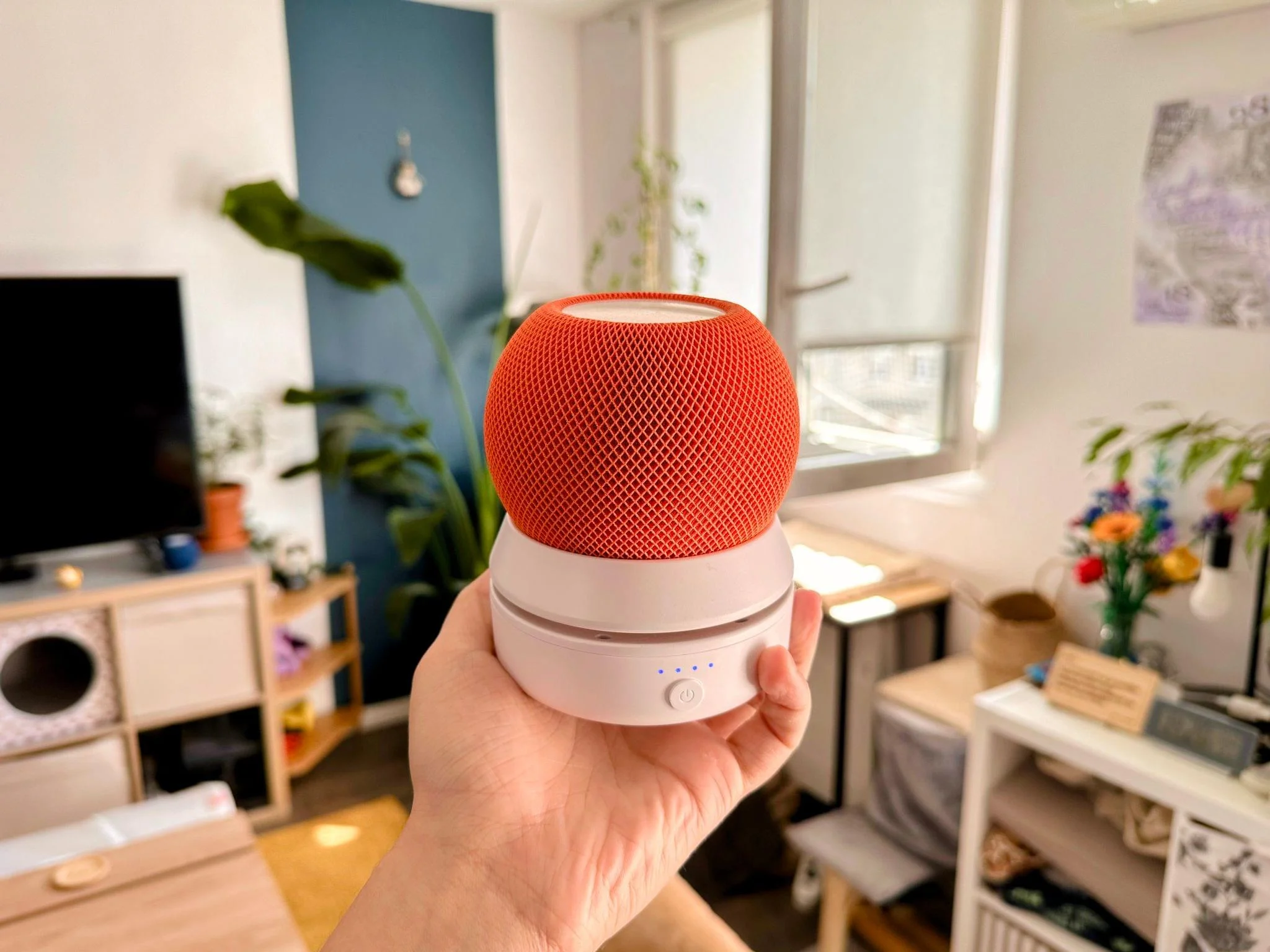
Two HomePod Minis came in from elsewhere in our home. For tiny units, they push out solid sound. But they run wireless and were never built for a desk role.
Connected to a MacBook, I had constant delays and dropouts. One unit would cut out, or both would. Playing from an iPhone elsewhere ran fine. As a wired desk pair, they fell short. Mac users wanting a tidier workflow can browse these Apple desk setup ideas for pairing inspiration.
Q Acoustics M20 With the 3060s Subwoofer
The budget climbed close to $1,000. The Q Acoustics M20 carried glowing reviews and a clean look. At $899 AUD, they slipped under that ceiling.
After several weeks, the bass response felt thin. I added the slim 3060s sub. Both the brand and the shop said the pairing would suit desk volumes.
It did not. The sub’s auto-wake wanted louder input than I could give. Either it would not wake, or it slept partway through a track. Email chains stretched on for months. A firmware update for the M20 helped a touch. The sub still slept too often. After a repair visit, the seller refunded the purchase.
Top Pick for Best Speaker for Desk Setup: KEF LSX II
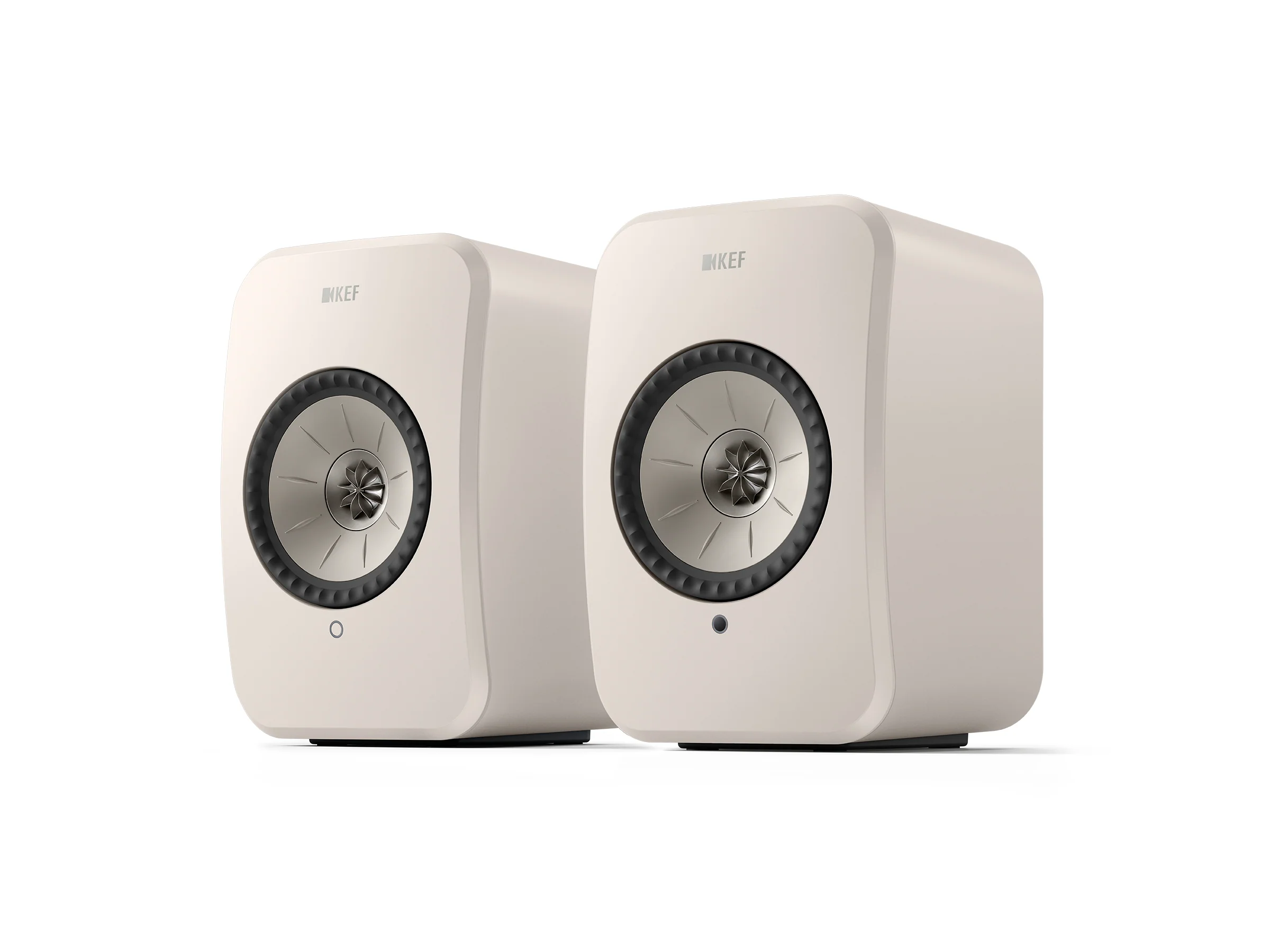
Melbourne HiFi ran live demos. The KEF LSX II sat above budget, but I caved. A 15% store-wide sale sealed it.
These boxes are small but slam hard. I keep them at 50% and they still roar. Mine come in blue with a gold-accented driver. The look is gorgeous up close.
KEF P1 Desk Pads went underneath as angled feet. The desk under all this matters too. These tested standing desks hold heavy gear without wobble.
Pairing the KEF LSX II With the SVS 3000 Micro Sub
Back at Melbourne HiFi, three subs lined up: REL T-Zero mk III, SVS 3000 Micro, and KEF KC62.
The REL bowed out first. The KC62 sounded slightly more polished but cost about $1,000 more. A Black Friday deal dropped the SVS 3000 Micro to $1,300, so it came home with me.
The KEF pair and SVS sub each have a tuning app. I dialled things in from my listening chair. The sub now lives behind my seat, not beside the keyboard. No boom, no missed wake-ups, no mid-song dozing.
Budget Pick: AudioEngine A2+ With S6 Sub
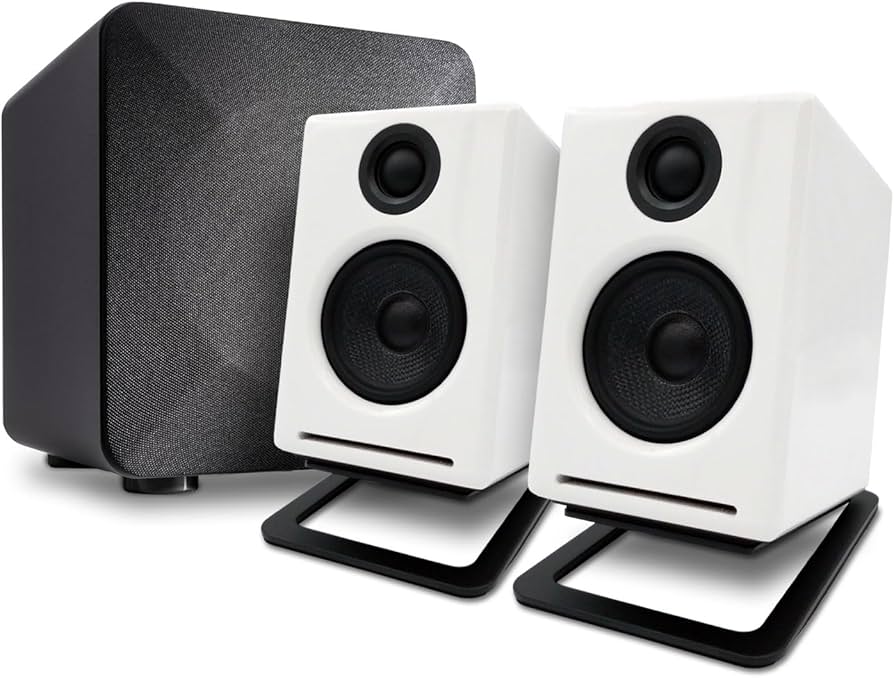
My partner was struggling through HomePod Mini issues too. The AudioEngine A2+ fits a smaller desk. Gloss white with black silicone bases looks smart.
They sound clean but run light on bass. The AudioEngine S6 sub solved that. The S6 is a 33cm cube. Small, but enough for the job. For more compact ideas, take a look at these budget desk setups from real makers.
Active vs Passive Desk Speakers
Audiophile circles often push passive rigs with a DAC and amp. For a desk, that piles on more boxes. Active worked better for my goals. For more layout ideas, this set of minimal desk setup ideas is worth a look.
Price and Outcome at a Glance
Here is what each setup cost in AUD and what happened with it.
Lessons From My Speaker Hunt
Spec sheets alone do not tell the full story. Audition gear in person where you can. A 2.0 desk pair with full sound is tough because physics gets in the way. A sub usually helps. Placement matters more than size.
Do not fear stretching budget on daily-use gear. The KEF and SVS combo has logged thousands of joyful hours. For a deeper look at how others build a room around audio, see Tony’s bedroom setup with PreSonus Eris 3.5BT monitors.
FAQs
What is the best speaker for a desk setup overall?
The KEF LSX II is my top pick if budget allows. It runs active, supports USB and Hi-Res audio, sounds full at low volume, and pairs cleanly with a sub for extra low end on a desk.
Do I need a subwoofer with desk speakers?
A sub helps most 2.0 desk pairs since physics limits small drivers. Even strong bookshelf models like the Q Acoustics M20 and KEF LSX II sound fuller with a sub placed behind the listening seat.
Are powered or passive speakers better for a desk?
Powered (active) speakers fit a desk better. They cut down boxes, skip the need for a DAC and amp, and free up desk space. Passive rigs add wiring most desk users do not need.
How much should I spend on desk speakers?
A solid desk pair starts near $400 with the AudioEngine A2+. Premium picks like the KEF LSX II run closer to $1,800. Adding a sub pushes the total up by $400 to $1,300.
Can I use HomePods as desk speakers?
HomePod Minis work in other rooms but fall short as a wired desk pair. They run wireless only, drop connections on Mac, and were not built for fixed desk roles next to a keyboard.

Francesco is a maker, engineer, and 3D printing enthusiast passionate about building tools and spaces that inspire creativity. With a background in software development and hands-on hardware projects, he explores the intersection of digital fabrication, productivity, and modern workspaces. When he’s not designing or experimenting, Francesco shares insights to help others create smarter, more efficient environments for work and making.