

These ten books disagree about what time management is. Some say plan every hour in advance and one says work in fixed intervals. Others say do the one important thing and let the rest wait, measure your week before changing it, or schedule around your body clock. Pick the book whose position fits what goes wrong in your working day at home.
We have not reviewed these books. The descriptions come from publishers and authors, linked where they appear. Alongside them is what owners interviewed for Maker Stations workspace tours say about planning their days. Only one of the ten books, Make Time, is named by an interviewee, but the methods come up often: at least eight owners time-block and at least nine use a Pomodoro timer. Eat That Frog! and Make Time are also on our list of productivity books, which covers them in detail. Here they appear only where they disagree with the others.
The ten books by the position they take
| Book | Position | What it asks you to do |
|---|---|---|
| The Time Chunking Method, Damon Zahariades | Plan the day in blocks | Set aside chunks of time for specific work |
| Time Management Magic, Lee Cockerell | Plan your whole life, not only the day | Run work and personal life from one system |
| The Pomodoro Technique, Francesco Cirillo | Work in fixed intervals | Timed work blocks with short breaks, then record and review |
| Eat That Frog!, Brian Tracy | Do the hardest thing first | Start each day with your biggest, most important task |
| First Things First, Stephen R. Covey, A. Roger Merrill and Rebecca R. Merrill | Important beats urgent | Protect time for important work that is not yet urgent |
| Make Time, Jake Knapp and John Zeratsky | Do not optimise every minute | Choose one daily highlight; pick tactics from a menu |
| 168 Hours, Laura Vanderkam | You have more time than you think | Log a full week, then rebuild it around priorities |
| When, Daniel H. Pink | Timing matters more than the plan | Match tasks to the time of day you do them best |
| The Organized Mind, Daniel J. Levitin | Get it out of your head | Store information outside your memory |
| Your Best Year Ever, Michael Hyatt | Start from the year’s goals | Set annual goals, then plan time around them |
The positions are our summary of the publisher and author descriptions cited below.
Plan every hour in advance
The clearest statement of this position comes from outside the list. Cal Newport plans the next day in blocks every evening and writes: “A 40 hour time-blocked work week, I estimate, produces the same amount of output as a 60+ hour work week pursued without structure.” That is his estimate, not a measurement.
The Time Chunking Method, by Damon Zahariades
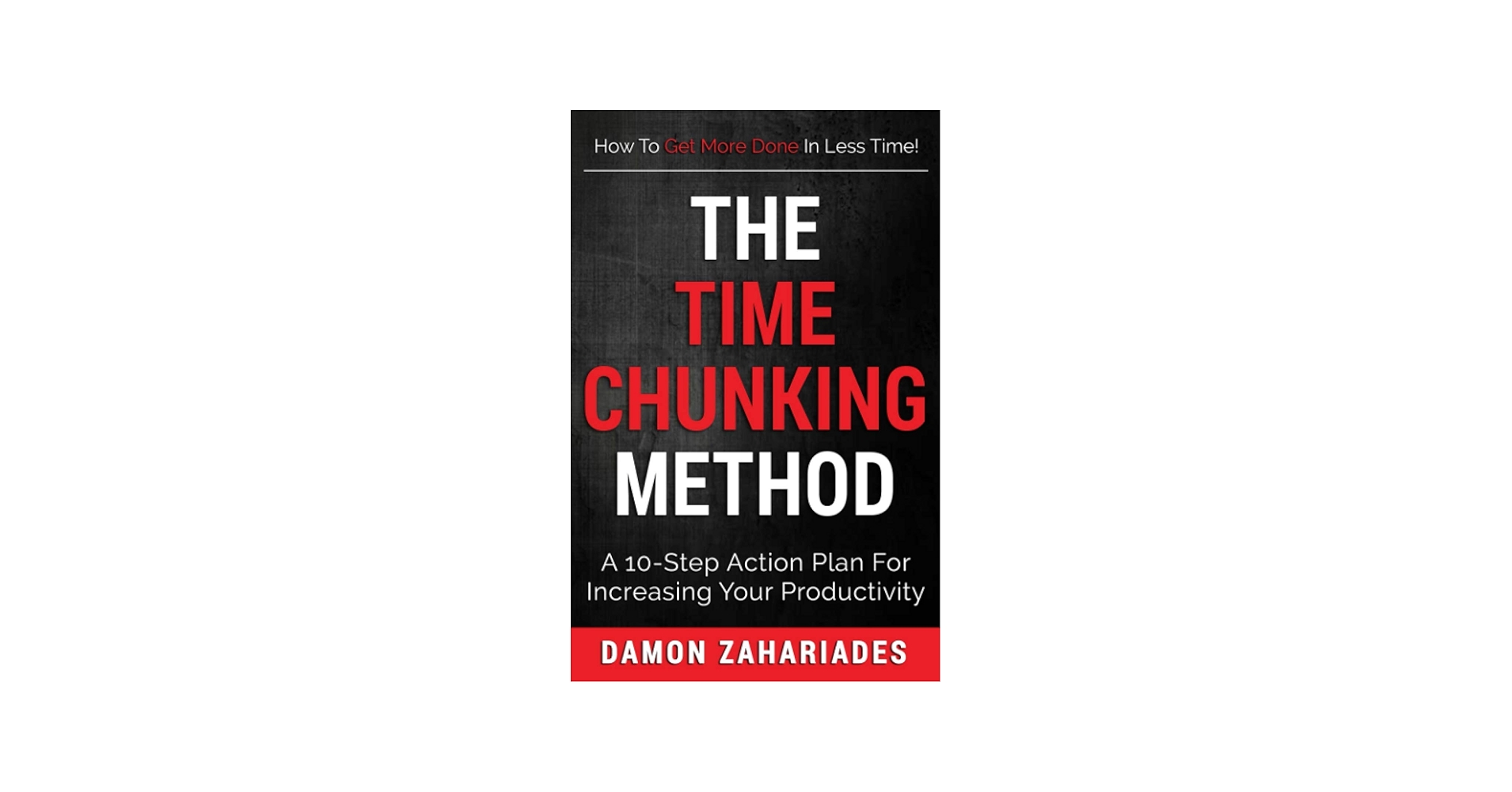
We could not open a publisher or author page for this book, so we give no edition details. Its title names the approach: divide the day into chunks of time set aside for particular work. That makes it a form of time blocking.
Time Management Magic, by Lee Cockerell
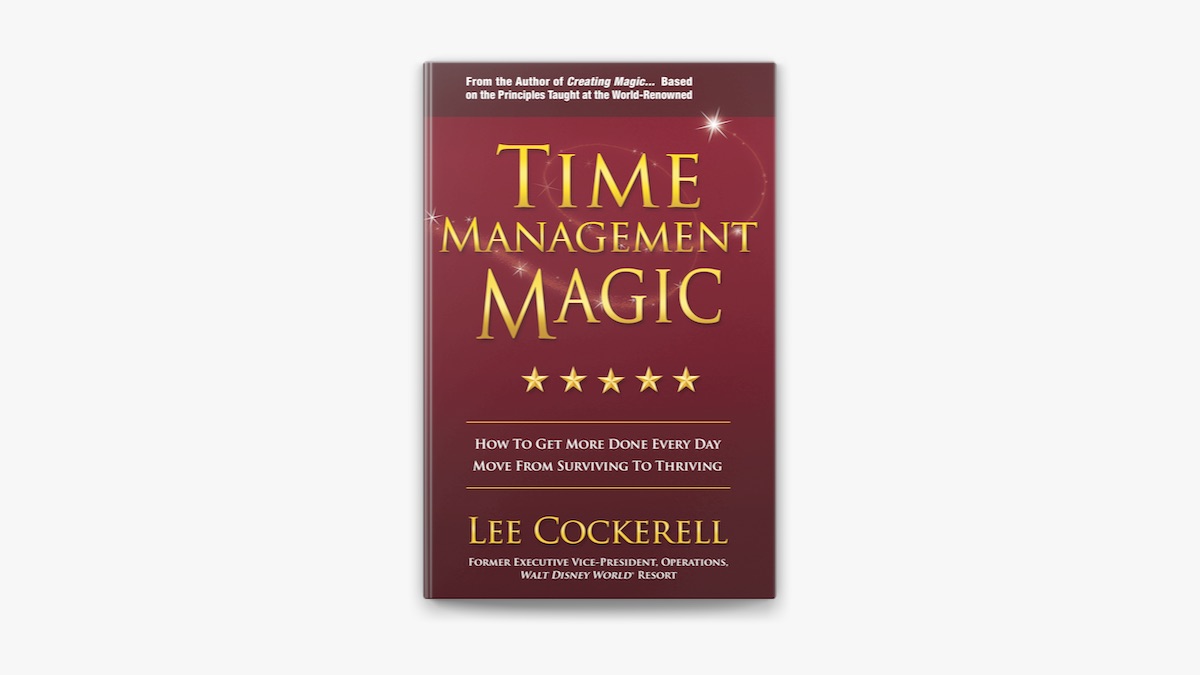
Morgan James Publishing released it as a 144-page paperback on 10 September 2019 (publisher’s announcement). The publisher says it “is not simply about scheduling one’s time in the most effective way, but instead about taking control of each area of one’s life”. Cockerell’s site says the system comes from his time running Walt Disney World, where he “led a team of 40,000 Cast Members”. It suits someone juggling many responsibilities more than someone who cannot get started.
Time blocking is the planning method our interviewees mention most. Eve G., a master’s student in Amsterdam, plans the whole week on Monday: “You get to plan every hour of your day for the week and know what you need to do. That eliminates the time you would spend procrastinating thinking about what you should work on next.” (interview) Jose Munoz, a UX designer in Puerto Rico, blocks meals and gym time too, so “I can be realistic about what I can accomplish daily” (interview). Emmie Villegas, an architect in Quezon City, prefers it to timers: “For instance, I allocate two hours to focus on one specific task so I can complete it more efficiently.” (interview)
Work in fixed intervals
The Pomodoro Technique, by Francesco Cirillo
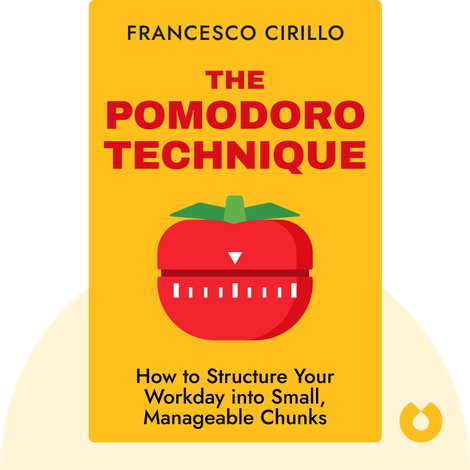
Published by Crown Currency on 14 August 2018, 160 pages (publisher’s page). Cirillo split his work “into 25-minute intervals, with 5-minute breaks in between”. The timer is only half the method. The other half is five stages: “planning the day’s tasks, tracking your efforts, recording your daily activities, processing what you have done, and visualizing areas for improvement.”
Pomodoro-style breaks have been tested directly, though only with students. In a Maastricht University study of eighty-seven students, those given fixed breaks reported less fatigue and distraction than those who chose their own breaks. Fixed breaks “had mood benefits and appeared to have efficiency benefits”, with “no difference between groups in invested mental effort or task completion.” A later study from the same university found that students on Pomodoro breaks grew tired faster, though overall results did not differ. So far the evidence says fixed breaks may make work feel better. It does not show that they get more done.
Our interviewees treat the standard split as a starting point. Alexandra, in San Francisco, keeps it but says “I go for longer sprints when the workload calls for it, but that also means taking longer breaks.” (interview) Reggie (Hits), in tech support in Texas, does “60 minutes of work followed by 10-minute breaks” (interview). Brett Atkinson, a developer in California, finds “working for 90 minutes and taking a 20-minute break works well for me” (interview). Lily Ongartthaworn, an illustrator in Tokyo, uses it to get started: “I struggle to start important tasks, so the sweet promise of only working for 25 minutes is appealing.” (interview)
Do the important thing and let the rest wait
Eat That Frog!, by Brian Tracy
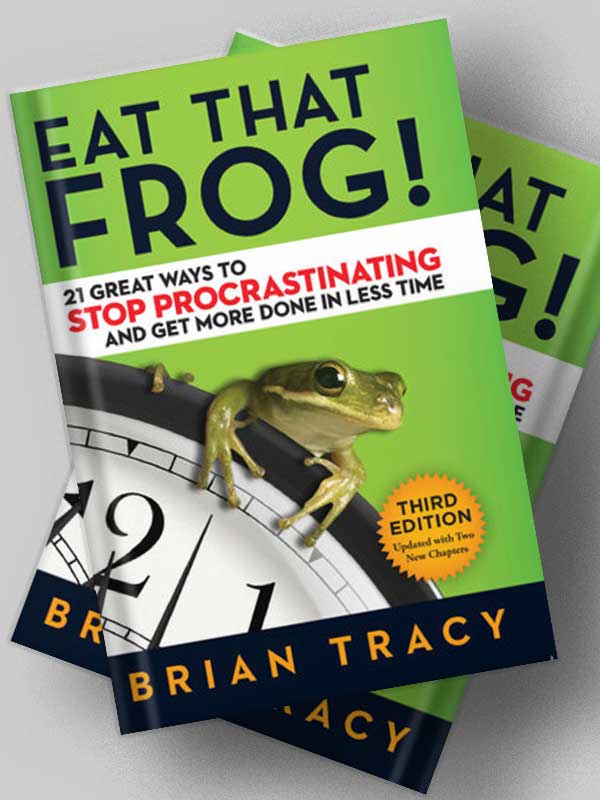
Tracy’s rule is to “start with the biggest, hardest, and most important task first”. Lily’s approach above is the opposite: Tracy asks you to face the hard task head-on, while the timer makes starting feel smaller.
First Things First, by Stephen R. Covey, A. Roger Merrill and Rebecca R. Merrill
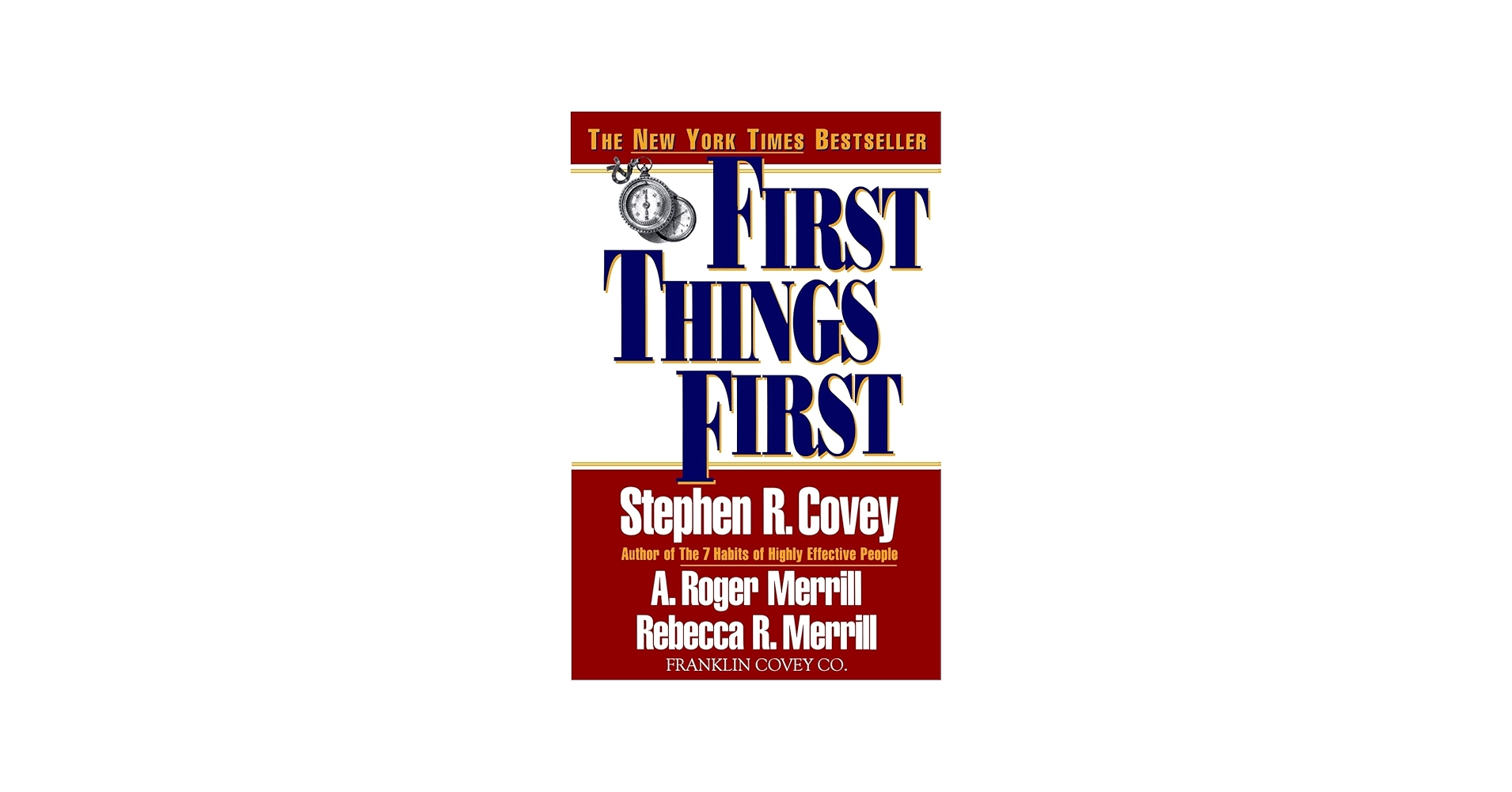
Publishers Weekly called it in 1996 “the latest time-management book from the author of The 7 Habits of Highly Effective People”. It shares its name with the third habit, which FranklinCovey sums up as: “It’s common to think that managing our time is about managing the clock, but it’s really about managing the compass.” Tasks are sorted into four quadrants by urgency and importance, and “The best return we can get on our time is to spend it on things which aren’t urgent but are important.”
Raymond Cripps, a game developer in New South Wales, sorts his tasks by “importance and urgency”, but in a different order. After urgent and important tasks, “I will move to urgent but unimportant tasks, like getting my driver’s license renewed”, and only then to important work that is not yet urgent (interview). Covey’s model puts that long-term work ahead of the errands. If your important projects only move when a deadline forces them, this book addresses that.
Make Time, by Jake Knapp and John Zeratsky
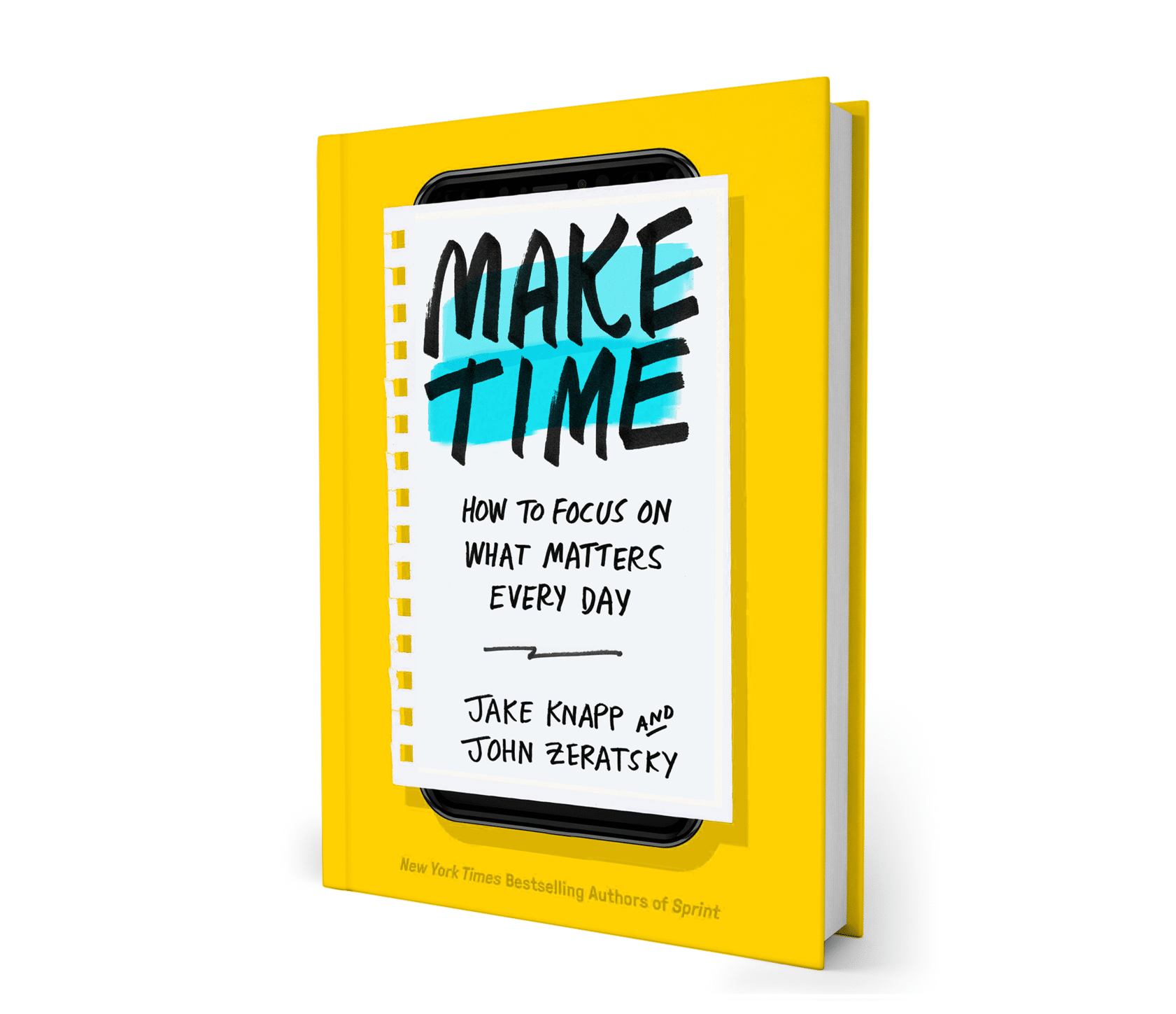
This book rejects the plan-every-hour position outright. The authors’ site says: “Rather than optimizing every minute of your life, you’ll learn how to make time for the things you actually care about.” Three interviewees named it, more than any other book here. Their comments are on the productivity list.
Find out where the time goes first
168 Hours, by Laura Vanderkam
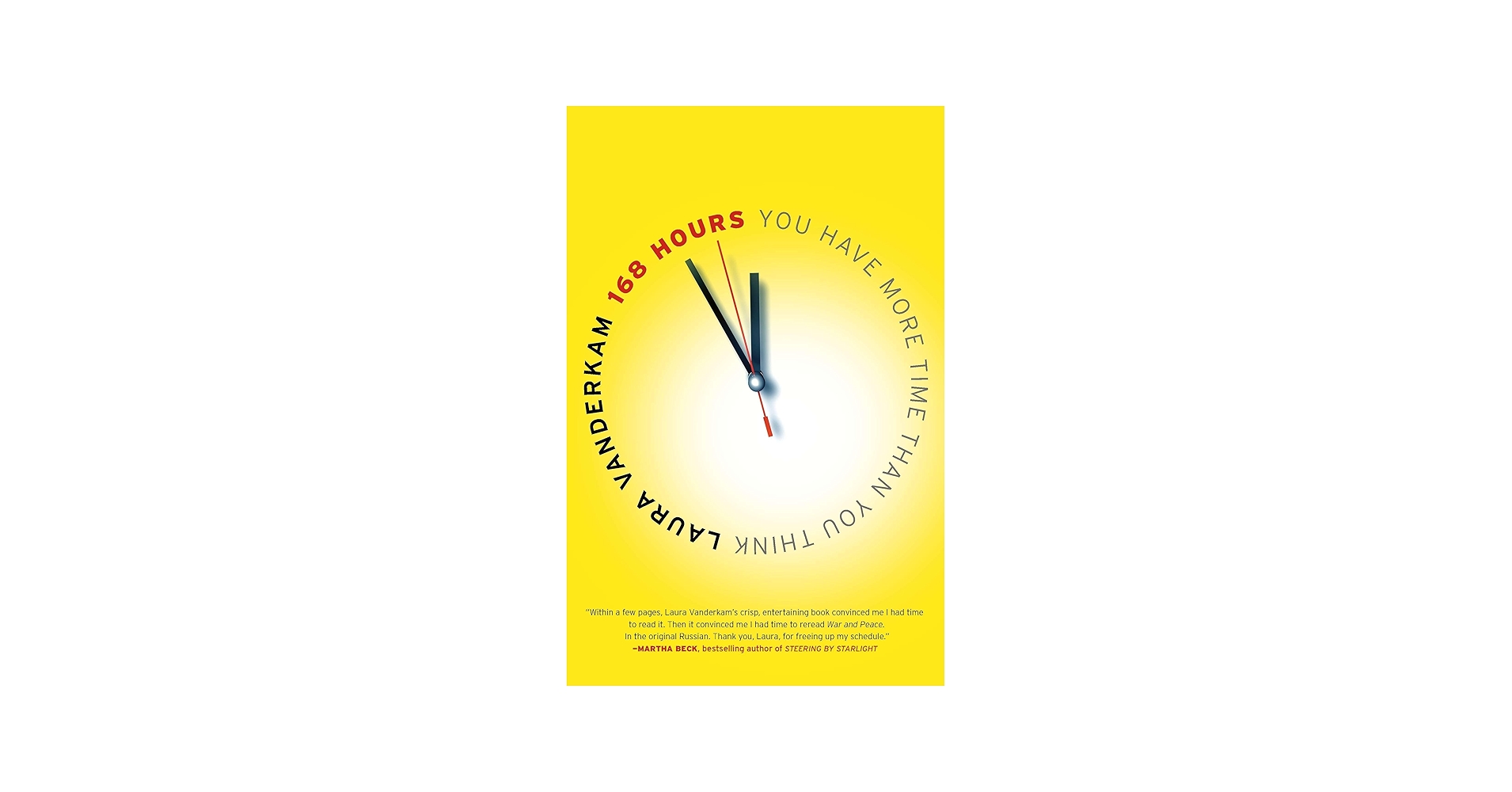
Paperback published on 31 May 2011, 272 pages (publisher’s page). Where the other books change your schedule, Vanderkam starts by measuring it, using what the publisher calls “the 168 Hours Log and the List of 100 Dreams”. She does not promise that everything will fit. The aim is that when plans go wrong, “only our lesser priorities will suffer.”
On her site she offers her tracking spreadsheet as a free download and says: “I do think anyone can benefit from tracking a week.” Without a commute or office hours to mark the day, a week’s log is a sensible first step before trying any other method on this list.
Schedule work around your body clock
When, by Daniel H. Pink
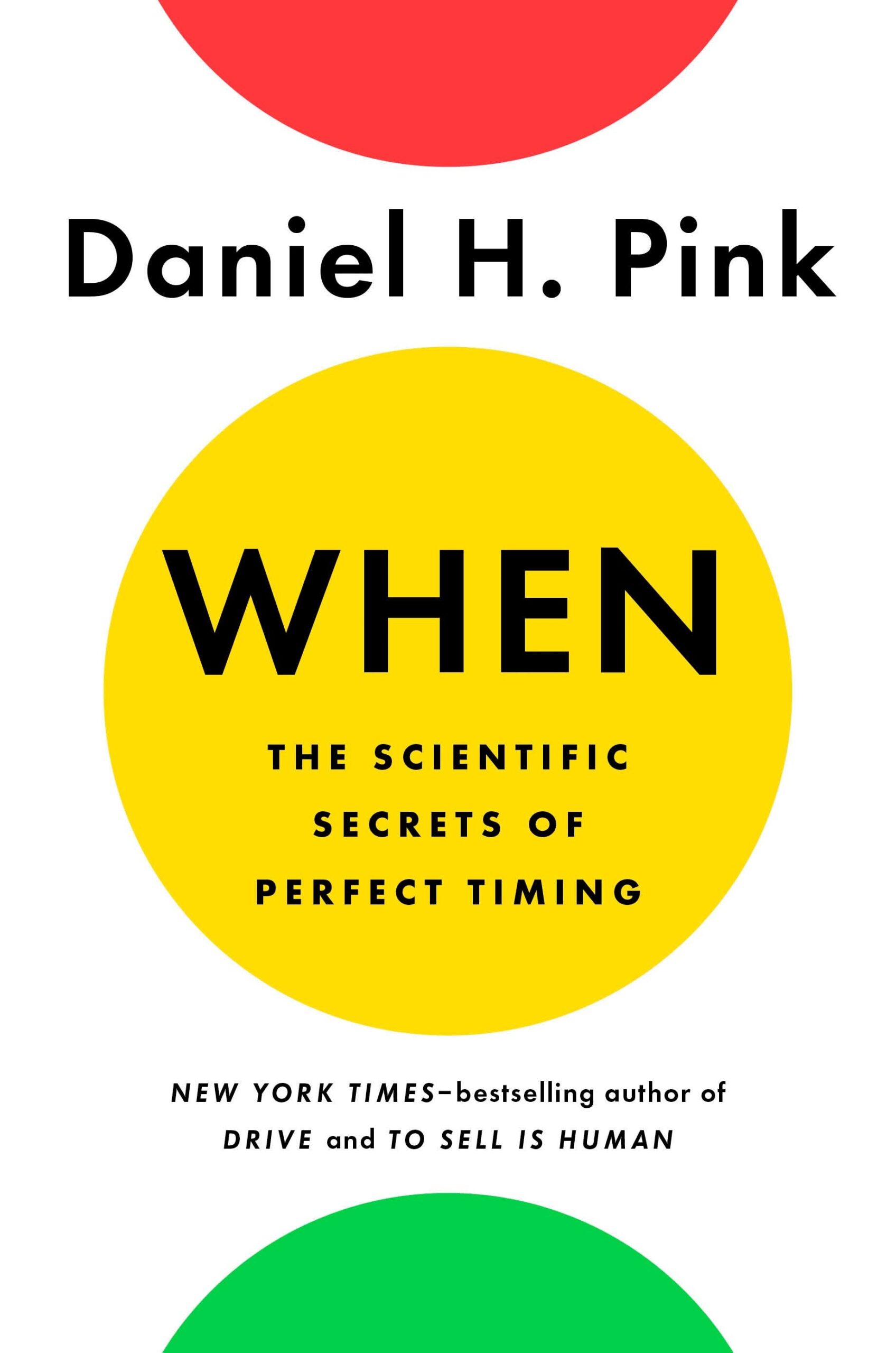
Published by Riverhead; the ebook came out on 9 January 2018 (publisher’s page). Pink asks when, not what: “How can we use the hidden patterns of the day to build the ideal schedule?” Kirkus Reviews summarises his answer as “mornings are when good things happen, while afternoons are times of flagging energy, surliness, and negativity”, and notes that some patterns vary with a person’s “chronotype” (whether they are a morning or evening person). It called the book “Solid science backed by sensible action points”.
Here Pink and Tracy disagree. Tracy puts the frog first thing in the morning for everyone, while Pink asks which time of day suits which kind of task, and for whom. Raymond Cripps, above, calls himself “a night owl”. For someone like him, a fixed early start may not be the best time for the hardest work.
Get it out of your head
The Organized Mind, by Daniel J. Levitin
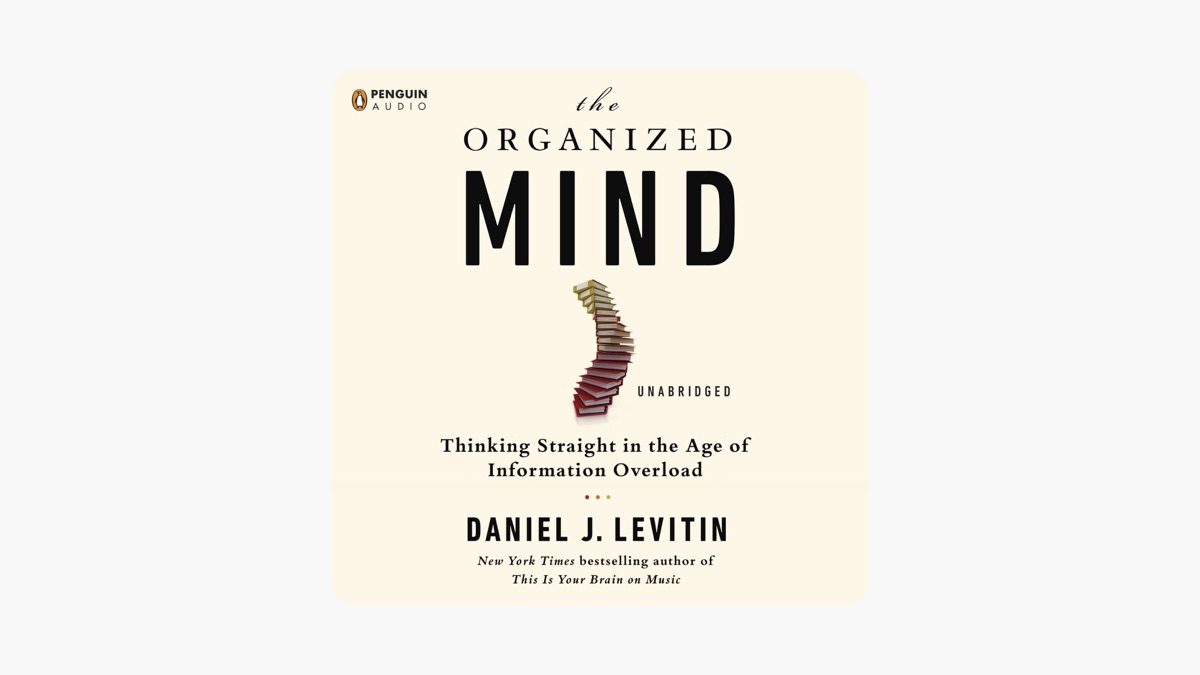
The longest book here: the paperback, published on 1 September 2015, runs to 544 pages (publisher’s page). Levitin is a neuroscientist. Penguin’s UK page gives his central idea: take back control “by storing key information in the physical world instead of the mind.” Of the ten, it does the most explaining and gives the least in the way of a daily routine.
Aaron von Kreisler, a small business owner in Austin, reached the same conclusion after trying many apps: “My biggest productivity hack is super simple: write it down.” (interview) For a full capture system, see Getting Things Done on the productivity list.
Start from the year, not the day
Your Best Year Ever, by Michael Hyatt
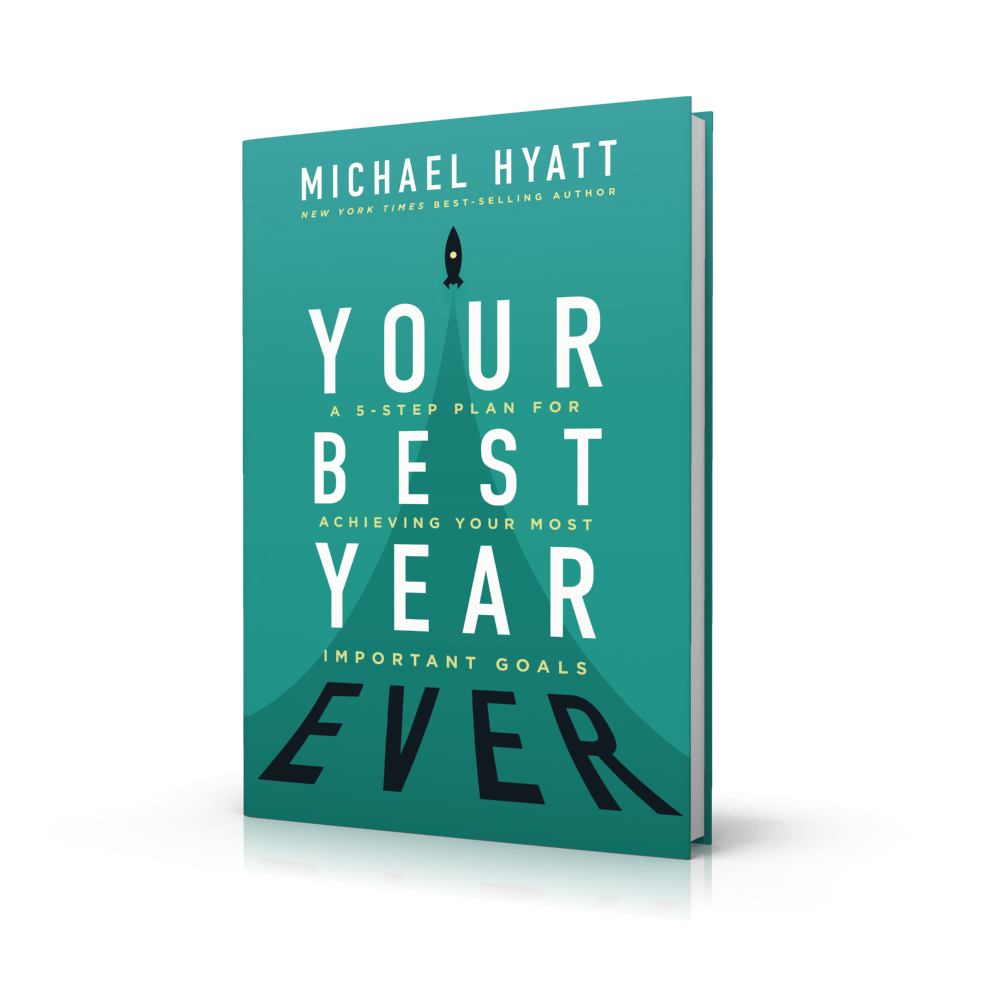
Published by Baker Books on 2 January 2018, 272 pages (publisher’s NetGalley listing). It is a goal-setting book first and a time-management book second. The listing promises readers will learn “how to design their best year ever in just five hours”, which is a publisher’s promise, not a tested result. Read it if your days are organised but you are not sure they add up to anything.
Which one to read
- You do not know where the day went: 168 Hours, and log one week first.
- Your day has no shape without an office: The Time Chunking Method or Time Management Magic.
- You cannot start, or never stop for breaks: The Pomodoro Technique, with intervals adjusted to suit you.
- Your important work never moves: First Things First, or Make Time if you dislike rigid plans.
- You keep forgetting things: The Organized Mind.
Joakim Nilsen, a bowling alley manager in northern Norway, offers a warning that applies to all ten: “Don’t try to find some hidden knowledge or some awesome secret technique. You are overcomplicating things.” (interview)
More book lists for people who work from home:
- How to improve your productivity
- How to handle burnout
- How to avoid distractions
- How to boost your creativity
- How to maintain a work-life balance
- How to keep your mental health in check
- How to develop essential skills for WFH
- How to balance family and work responsibilities
- How to deal with loneliness when working remotely
We’re a reader-supported publication. This article has affiliate links, so if you click and buy something we recommend, we might get a commission. Just so you know, we wrote this article independently.
