

A University of Exeter study found that adding plants to a workspace can raise productivity by up to 15%. NASA’s Clean Air Study showed certain indoor plants pull benzene, formaldehyde, and trichloroethylene out of enclosed rooms.
For anyone working from home, one or two pots near the desk improves air quality without adding another chore. The ten plants below handle low light, irregular watering, and tight desk space.
Why the Best Plants for Home Office Need to Survive Neglect?
The right office plant is the one you forget about. Remote workers want cleaner air and a bit of green nearby, not another task on the weekly list. Each pick below tolerates weeks of skipped watering, fluorescent or dim lighting, and dry indoor air.
Picking the right plant works like picking the right gear from a list of home office essentials: function before flash. A plant that wilts every Monday is worse than no plant at all.
The 10 Best Plants for Home Office in 2026
| Plant | Light Needed | Watering | Best For |
|---|---|---|---|
| Snake Plant | Low to bright indirect | Every 2–4 weeks | Neglect tolerance, night oxygen |
| ZZ Plant | Low to bright indirect | Every 2–3 weeks | Dark offices, drought resistance |
| Pothos | Bright indirect; tolerates low | Weekly when dry | Fast growth, easy propagation |
| Spider Plant | Bright indirect | Weekly | Air purification, plantlets |
| Peace Lily | Low to medium | Weekly or when drooping | NASA-verified air cleaning |
| Chinese Evergreen | Low to medium | When top inch is dry | Color varieties, low fuss |
| Cast Iron Plant | Very low | Every 2–3 weeks | Extreme neglect tolerance |
| Rubber Plant | Medium to bright indirect | When top inch is dry | Statement look, tall growth |
| Parlour Palm | Low to medium indirect | When top inch is dry | Tropical look, pet-safe |
| Philodendron Heartleaf | Low to bright indirect | Weekly when dry | Trailing vine, forgiving care |
Plant-by-Plant Breakdown
1. Snake Plant
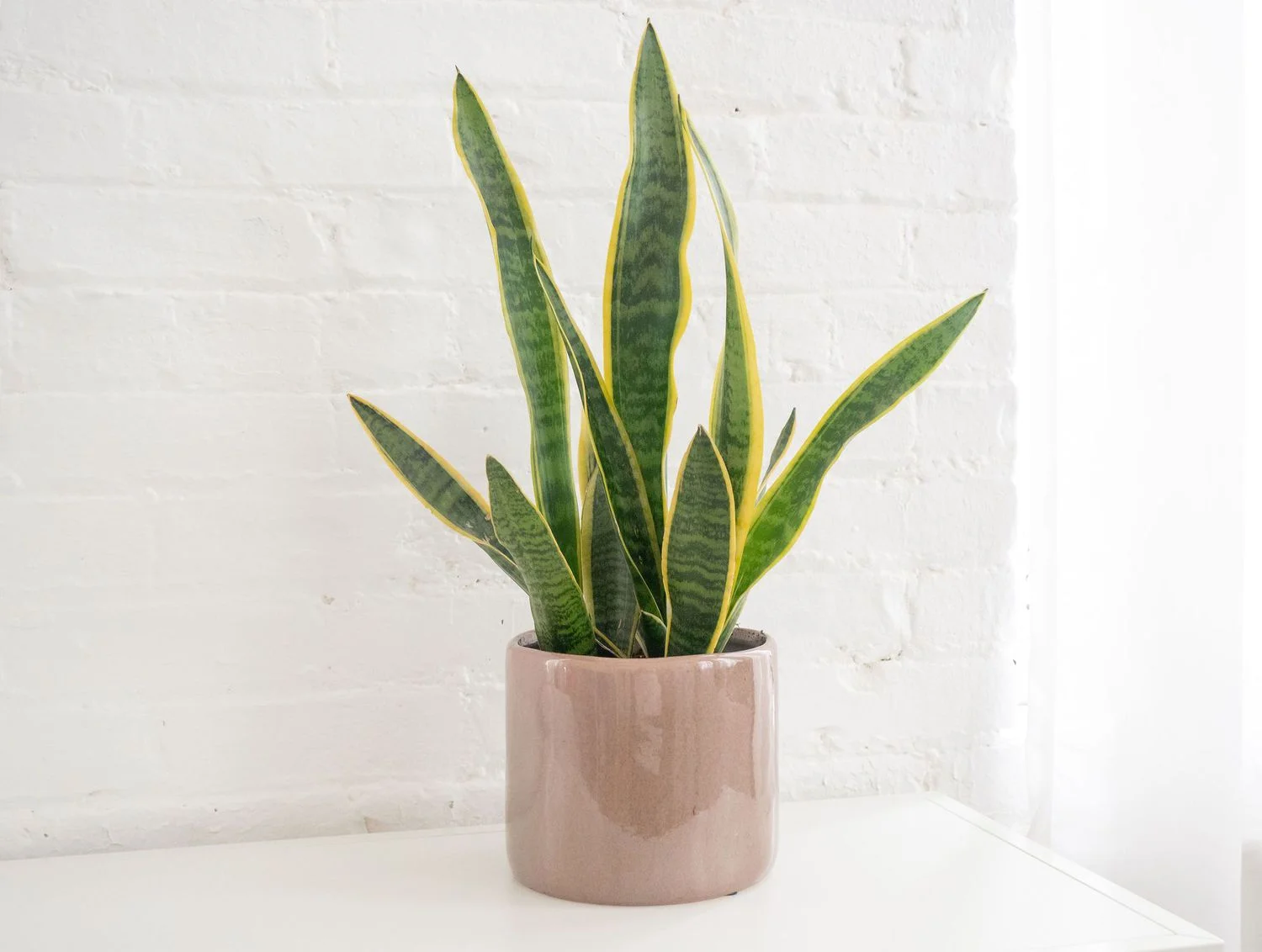
Snake plant (Sansevieria) handles near-total darkness and survives weeks without water. Tall upright leaves with banded markings give it a clean architectural look on any shelf. It releases oxygen at night instead of during the day, which helps if you keep one in a bedroom corner or work late hours.
2. ZZ Plant
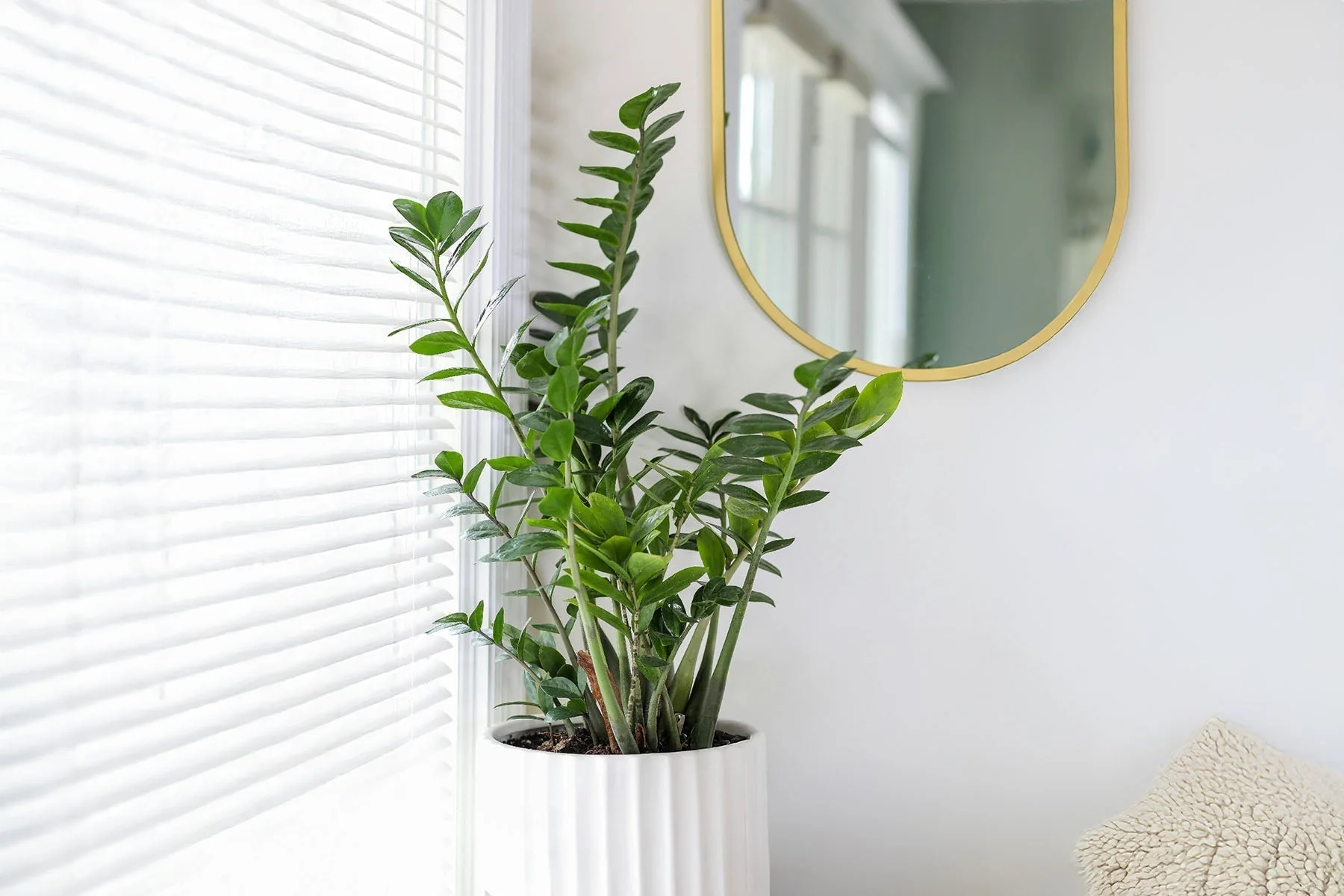
Zamioculcas zamiifolia has glossy dark leaves that catch ambient light and brighten dim corners. The plant stores water in underground rhizomes, so a forgotten watering won’t kill it. Slow growth means you won’t need to repot for years.
3. Pothos
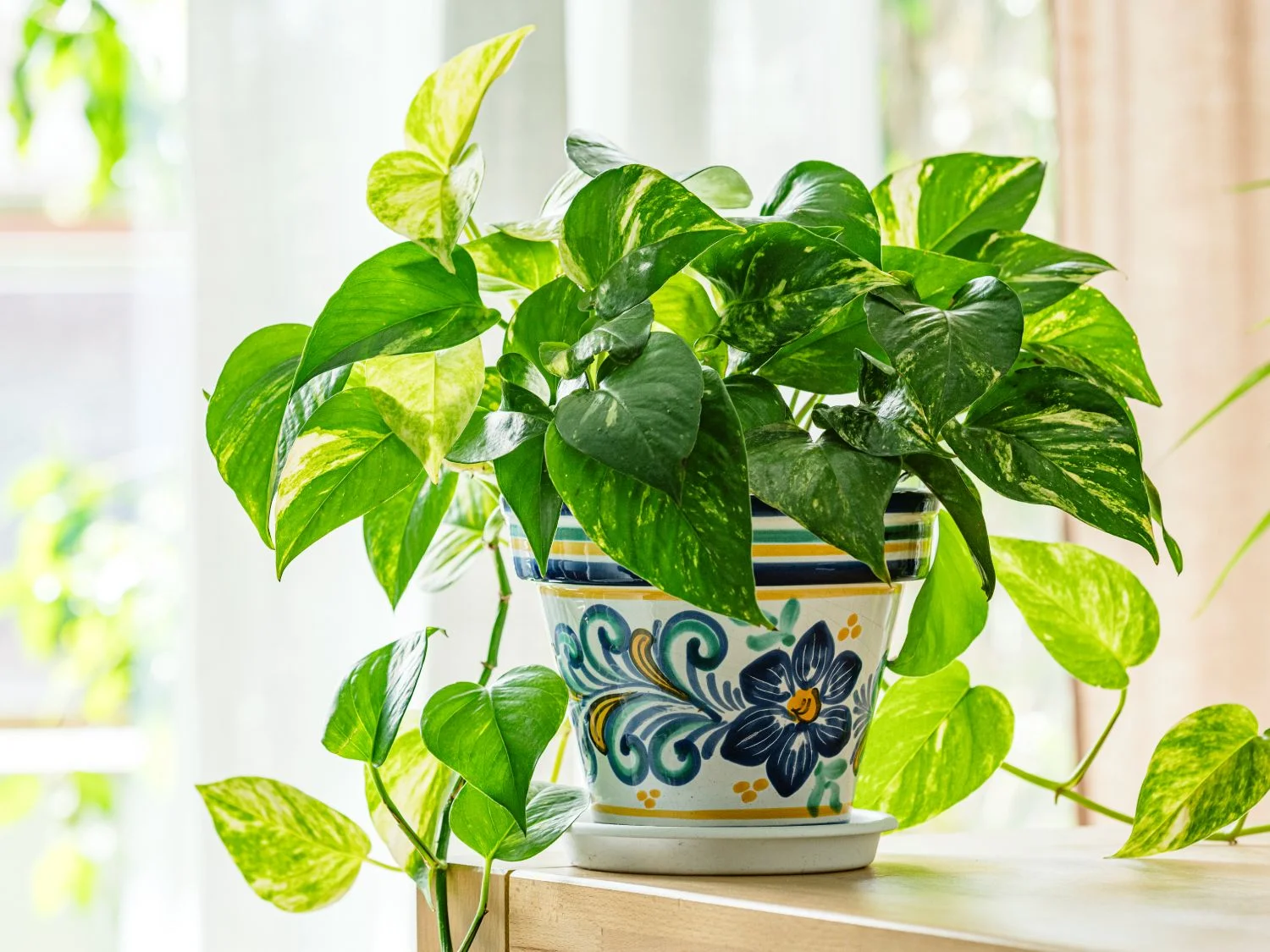
Pothos (Epipremnum aureum), also called Devil’s Ivy, grows quickly and trails well from shelves or bookcases. Propagation takes minutes: cut a stem at the node, drop it in water, and roots appear within a week or two. Looks at home in plant-heavy interiors like a cottagecore desk.
4. Spider Plant
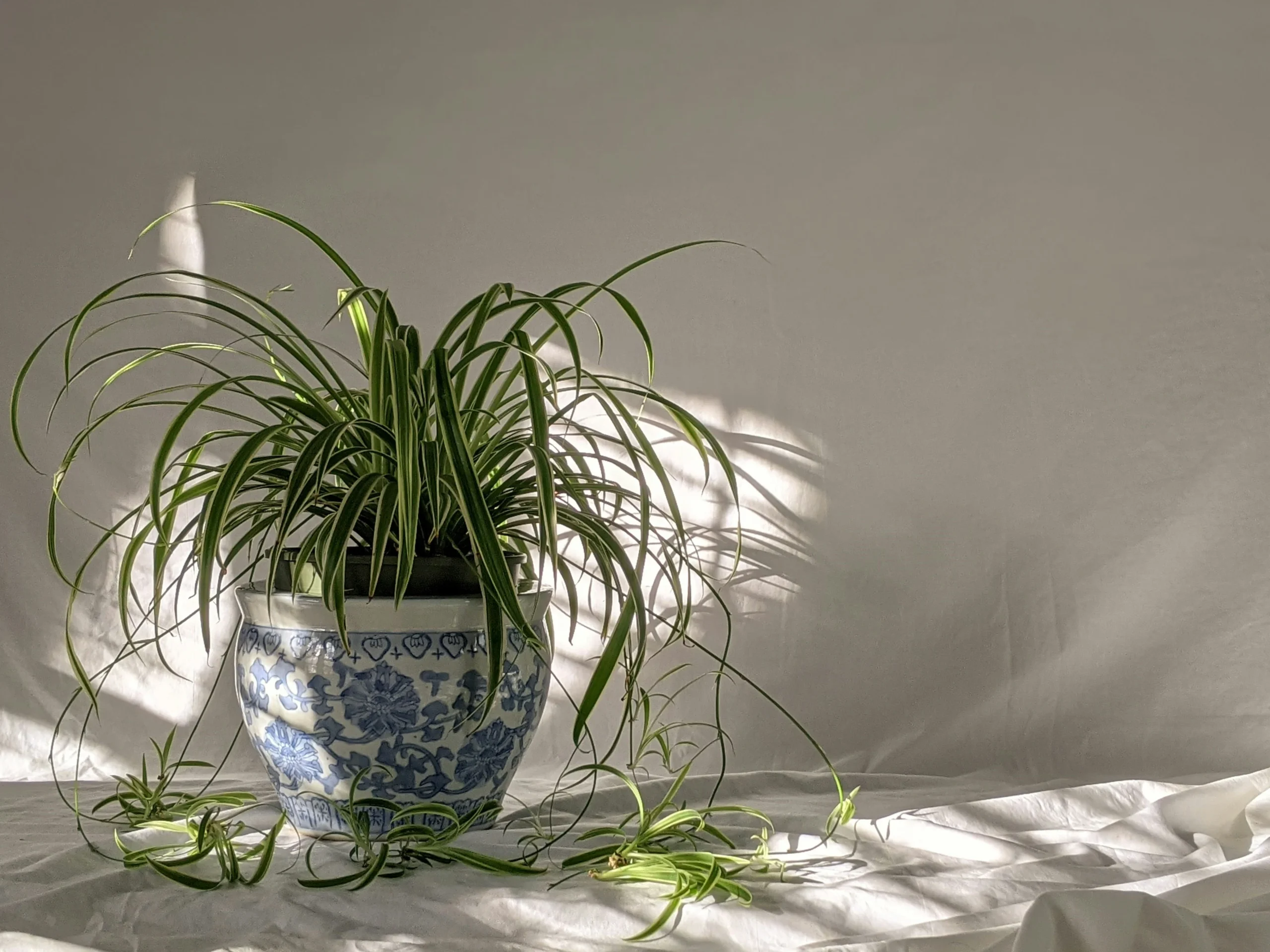
Chlorophytum comosum has long arching leaves that fall outward in soft curves. It works in bright indirect light and pushes out small plantlets you can repot as new plants for free. One of the cheaper ways to fill out a green shelf over time.
5. Peace Lily
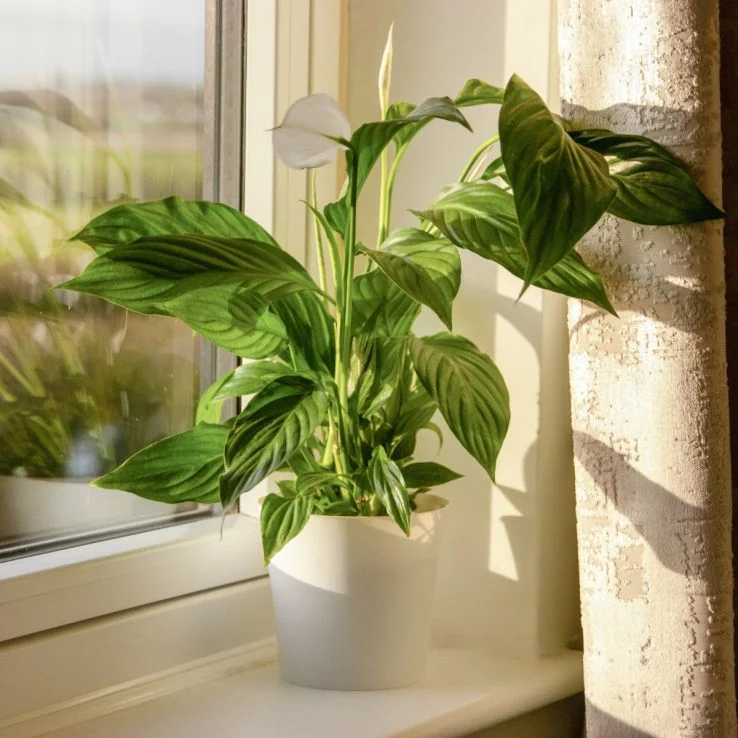
Spathiphyllum has glossy leaves and occasional white blooms. NASA’s air-purification work flagged it as one of the better choices for removing common indoor pollutants. Drooping leaves are a built-in reminder when it needs water. Keep it out of direct sun, which scorches the foliage.
6. Chinese Evergreen
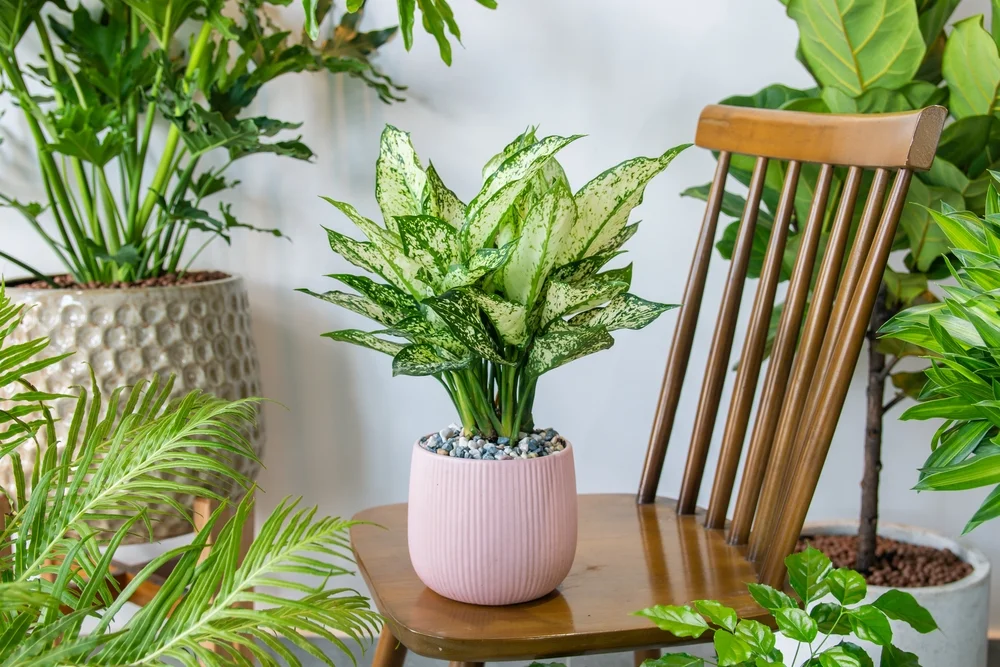
Aglaonema comes in green, red, pink, and silver varieties. It handles fluorescent lighting and skipped watering schedules without protest. The colored varieties add interest to a workspace that otherwise feels flat. Fits a tight corner if you’re working from a small studio apartment without crowding the desk surface.
7. Cast Iron Plant
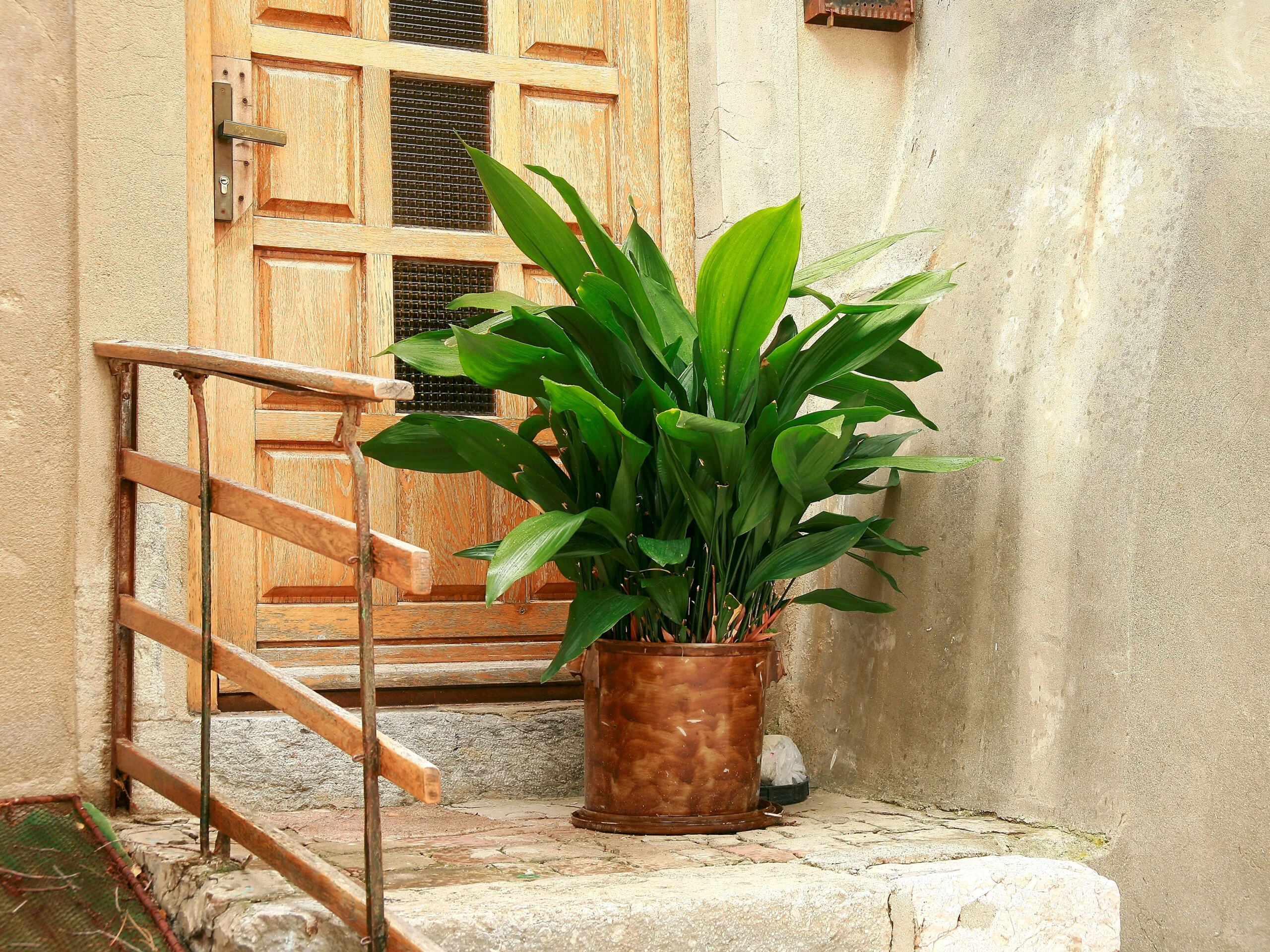
Aspidistra elatior earned its common name. It handles poor air, temperature swings, occasional overwatering, and near-darkness. Deep green leaves give a clean architectural feel to any corner. The best starting plant for anyone convinced they kill everything green.
8. Rubber Plant
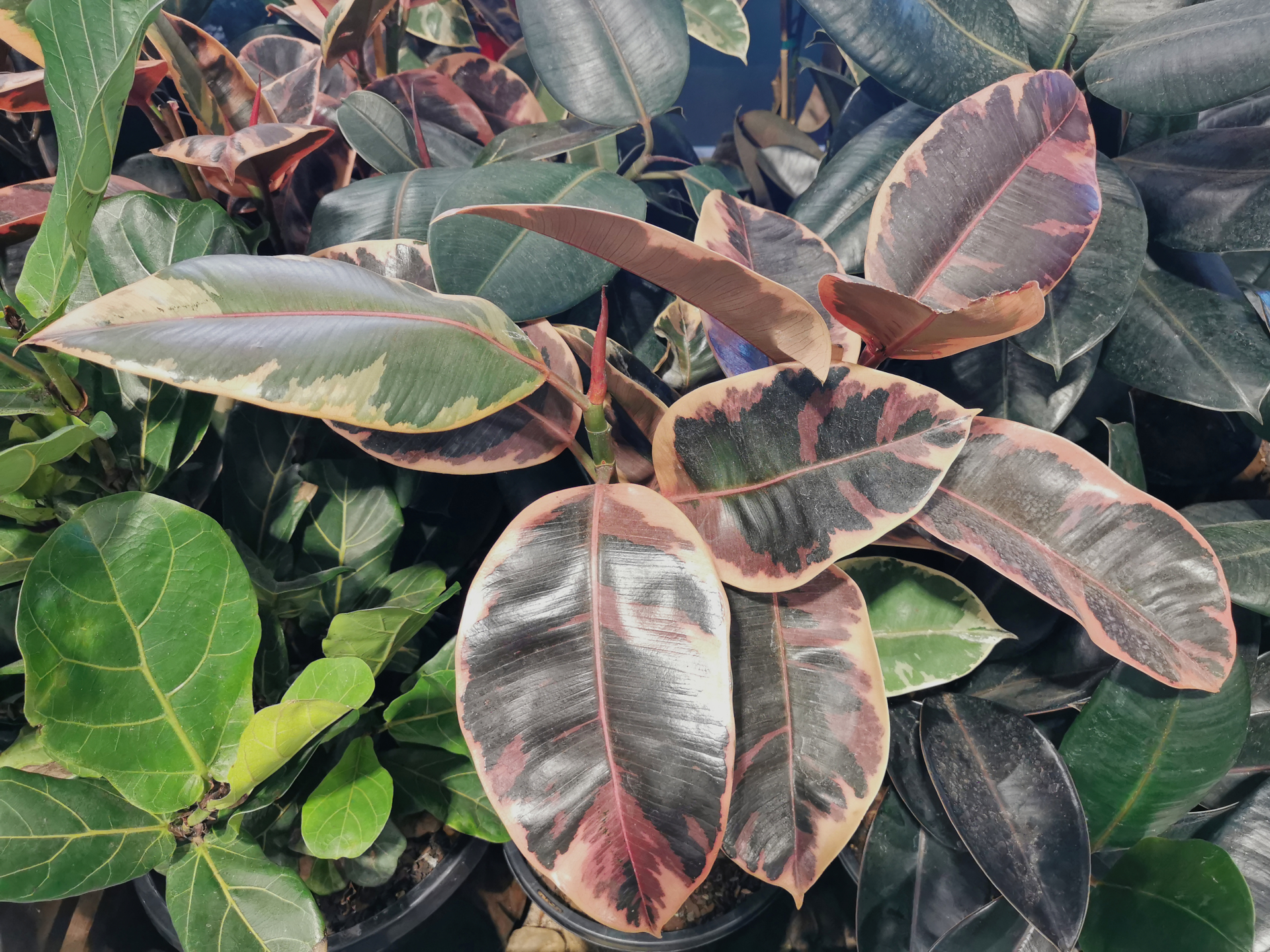
Ficus elastica grows shiny, round leaves that make a bold visual statement. Slow at first, then steadily upward; six to eight feet is realistic over a few years. Place it near a window with indirect light, since direct sun fades the gloss on the leaves.
9. Parlour Palm
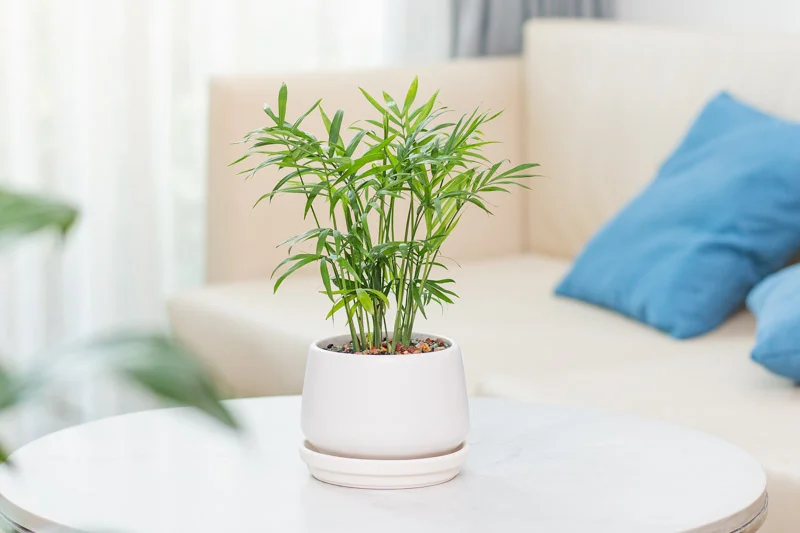
Chamaedorea elegans softens a workspace with tropical fronds. It grows comfortably under artificial light and releases a small amount of moisture into the air, which helps in dry heated rooms. Confirmed non-toxic to dogs, which matters if your pet shares the office.
10. Philodendron Heartleaf
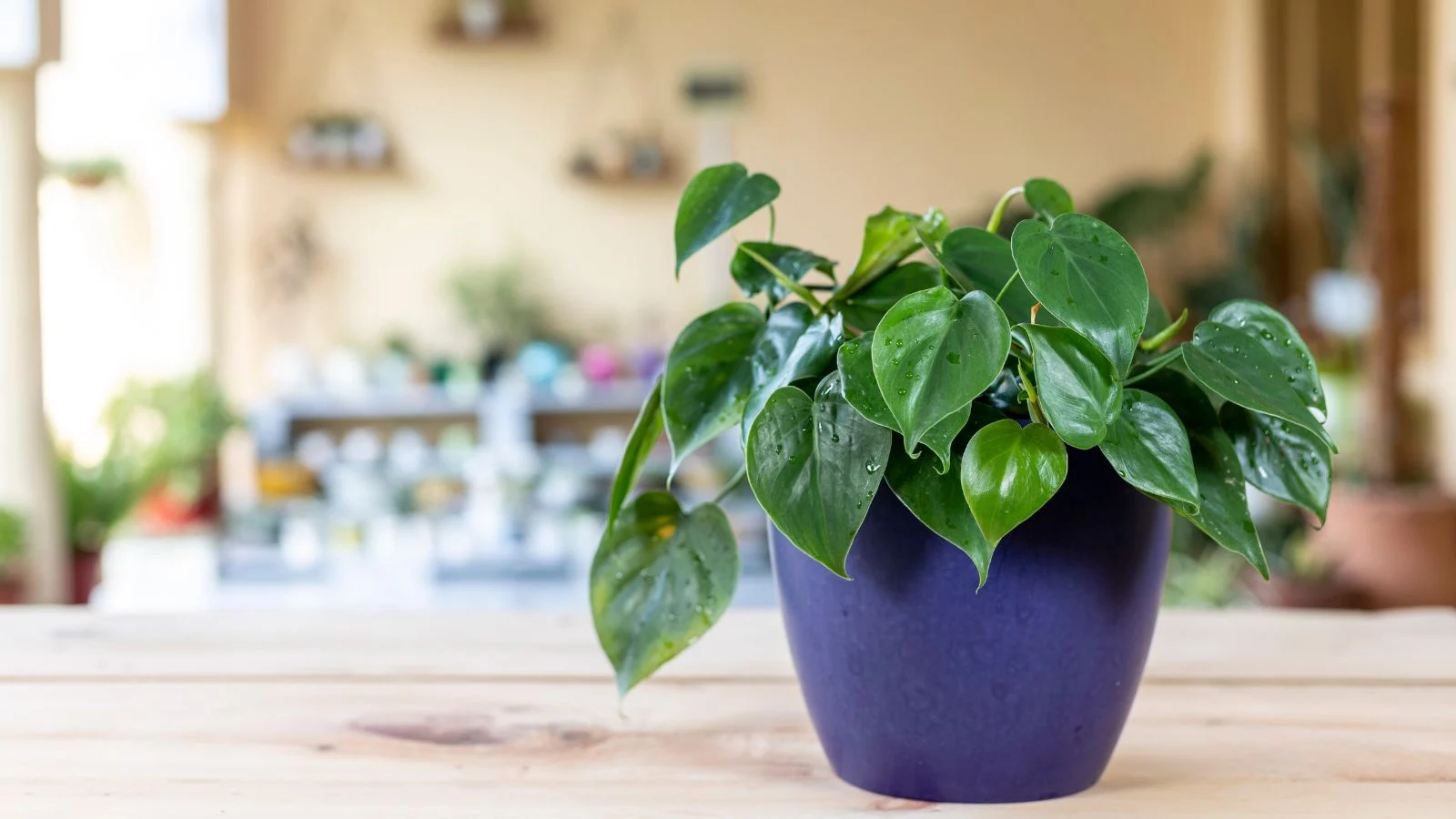
Philodendron hederaceum trails heart-shaped leaves down shelves and walls. It tolerates a wide light range and recovers fast from dry spells. One of the easier vines to keep alive on a busy schedule. Pairs well with the kind of greenery seen in this product designer’s setup.
Where to Place Best Plants for Home Office
Light matters more than most people guess. Even shade-tolerant plants do better with some natural light nearby. Position pots within a few feet of a window where possible, and rotate them every couple of weeks so growth stays even on all sides.
Match plant to space. A Rubber Plant works in a corner with vertical room. A Pothos works on a shelf with hanging space below. A ZZ Plant or Snake Plant fits a desk with limited surface area. The same logic applies when planning desk layouts: pick what fits the space you actually have.
For offices with no windows, the Cast Iron Plant, ZZ Plant, and Chinese Evergreen are the most reliable picks. Peace Lily and Spider Plant need at least some indirect light to look good long-term. For workspaces near a window, Pothos, Rubber Plant, and Philodendron Heartleaf reward you with faster growth. Worth thinking about alongside other work-from-home essentials like lighting and chair fit.
FAQs
Which plant is best for a windowless office?
Cast Iron Plant, ZZ Plant, and Snake Plant survive in artificial light alone. Chinese Evergreen also handles fluorescent lighting well. All four tolerate long stretches without natural light and need watering only every two to three weeks.
How often should office plants be watered?
Most low-maintenance picks need water every one to three weeks. Snake Plants and ZZ Plants can go three to four weeks between waterings. Check the top inch of soil with a finger and water only when it feels dry.
Do indoor plants really clean the air?
NASA’s 1989 Clean Air Study showed certain plants remove benzene, formaldehyde, and trichloroethylene. Real-world effects in larger rooms are smaller than lab results, but the measurable air-quality benefit is one reason offices add them.
Are office plants safe for pets?
Parlour Palm and Spider Plant are non-toxic to cats and dogs. Pothos, Peace Lily, Philodendron, and ZZ Plant are toxic if chewed. Keep toxic varieties on a high shelf if pets share the room.
Which plant grows fastest in a home office?
Pothos and Philodendron Heartleaf grow fastest, often adding several inches a month in bright indirect light. Spider Plant also grows quickly and produces plantlets you can pot up into new plants without buying anything.
