

Sharing personal information has become inevitable. We do it routinely when shopping, signing up for services, or just communicating with others online.
This is fine most of the time, but being careless invites identity theft and a host of serious problems that accompany it.
Only acting once something actually goes wrong isn’t the best approach. It’s much more effective and easier to practice a few easy, practical habits in your everyday life instead. Here’s what to pay attention to and how you can prevent identity theft without making substantial changes.
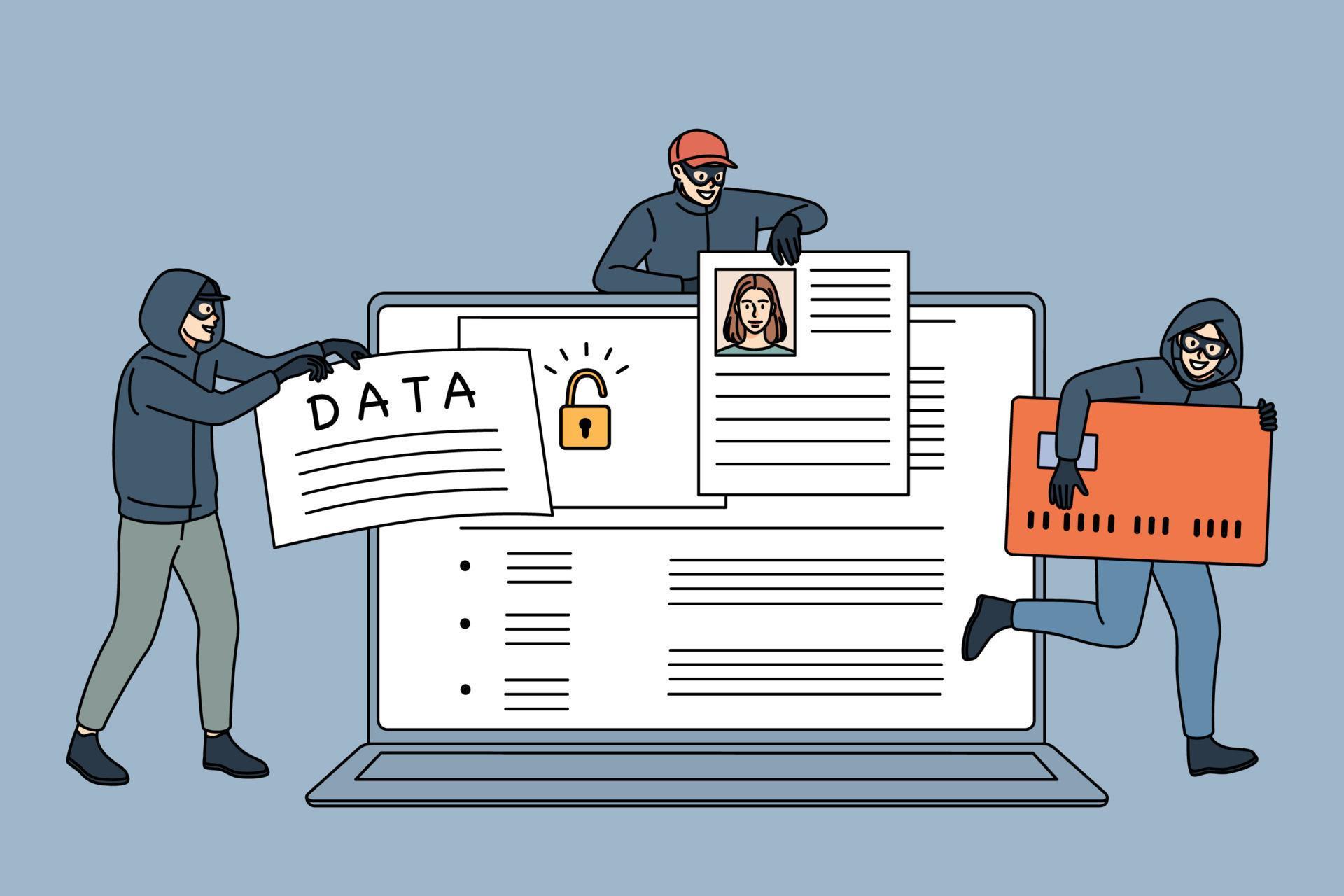
Share Personal Information Selectively
Identity theft becomes much easier the more information about you is freely available online. So, it makes sense to consciously keep sharing it to a minimum.
Avoid disclosing identifying info like your real name, address, SSN, and other ID numbers, etc., unless you have a good reason.
Be particularly mindful of posting revealing details on social media since even harmless-sounding details help identity thieves impersonate you or bypass security questions.
Keep an Eye on Financial Accounts and Credit Reports
Identity thieves like to test the waters by using compromised bank accounts for small transactions. Regularly check your account balances and financial statements, and take note of any unexpected bills or new bank accounts.
But if things have already escalated, getting help from professional identity recovery might be a good idea.
Know How to Recognize Phishing
Phishing has become more sophisticated and personalized, but you can still recognize it by a message’s urgent tone and insistence on clicking on suspicious links.
Treat messages that ask you to disclose personal info or take unusual steps to recover accounts or transfer funds with suspicion.
Confirm that sender addresses match official ones and contact the sender through different channels when you’re not sure about their identity.
Follow Basic Cybersecurity Hygiene
Sensitive personal information is often stored on our devices and tied to various digital accounts. Protecting them is straightforward and a core part of keeping such information safe.
Enable automatic updates for operating systems, software, and apps. Use strong, unique passwords and multi-factor authentication for all important accounts, and back up all sensitive data.
Be sure to also use the best VPN that you can get whenever you connect to less secure networks like public Wi-Fi. That way, you can minimize the possibility of snooping and data exposure.
Preventively Freeze Your Credit
It’s a good idea to freeze your credit while you’re not taking on new financial obligations. It doesn’t affect your existing accounts but does make it much harder for criminals to open new accounts once they have enough personal information on you to do so.
Conclusion
It’s impossible to control every attempt at identity theft. That said, a few smart precautions can drastically lower the chance of criminals actually succeeding.
Be cautious about what you share and how you manage your digital life to keep control of your personal info and avoid headaches down the line.
