
Effective compliance training requires accessible guidance, trackable learning, secure data, and consistent information. This comparison covers six platforms, from iTacit’s AI HR Assistant to LMS tools for security, authoring, and automation.
iTacit
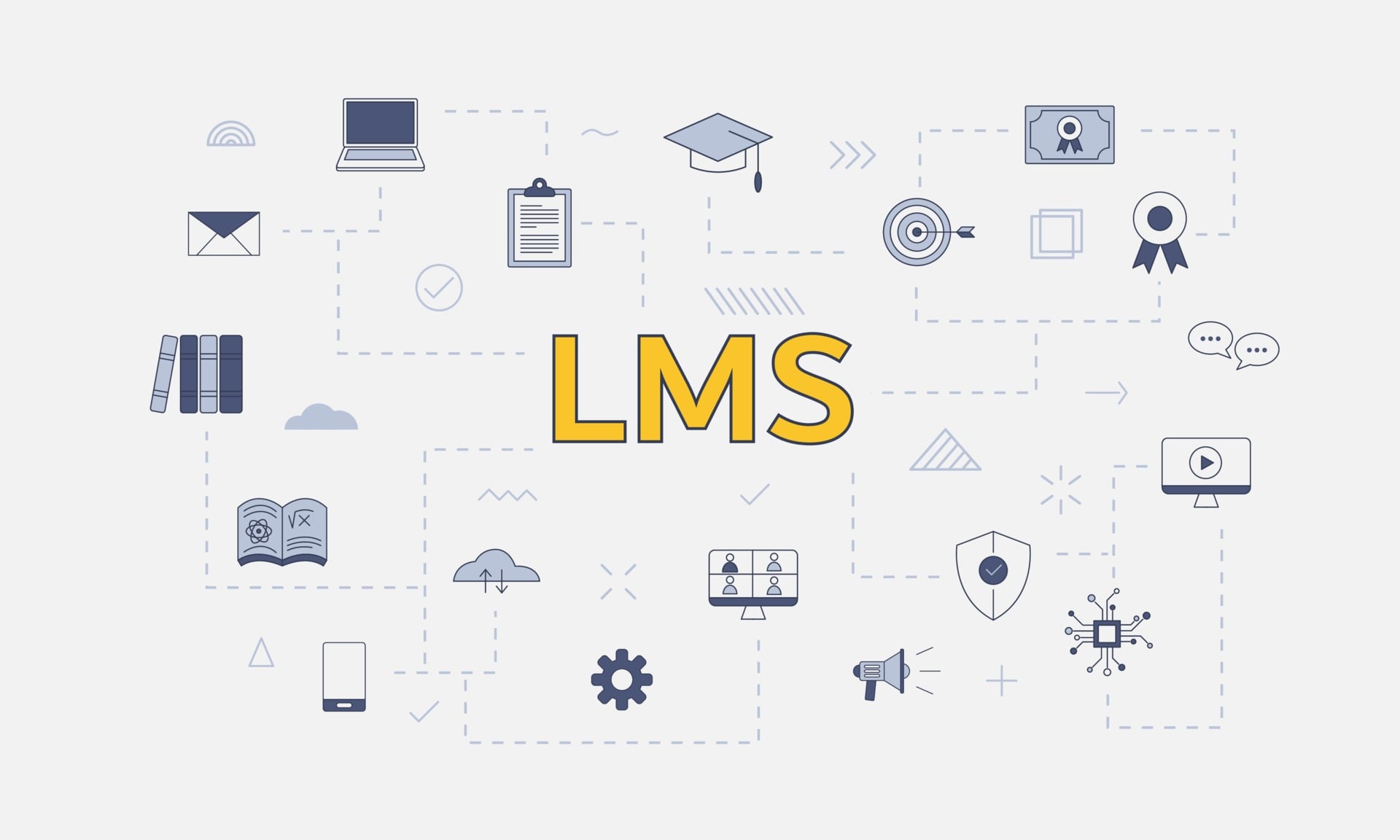
The iTacit AI HR Assistant provides instant answers from approved policies, SOPs, and training documents. Role-based access gives employees relevant guidance.
Key Features
- Answers from approved internal sources
- 24/7 frontline support
- Analytics showing common questions and training gaps
- Reported results include 87% of users finding answers easier and about 4.5 hours saved weekly for managers
Best For
iTacit fits organizations with large frontline teams, high turnover, or multiple locations. It complements formal training with quick policy support.
eFront
eFront focuses on enterprise security and private hosting for sensitive data.
Key Features
- Credential-expiration reminders
- Learner progress reporting
- Separate branches with custom URLs
- Instructor-led training
- Mobile apps with downloadable courses
- Security controls
Best For
eFront suits large organizations with more than 500 monthly learners, especially across multiple locations. Automation, customization, and private hosting support compliance programs.
Chamilo
Chamilo is an open-source option in the LMS space that provides functionality without licensing costs.
Key Features
- Course creation and assessments
- Quizzes, badges, and certificates
- SCORM support
- More than 100 languages
- Virtual classrooms
Best For
Chamilo works well for educational institutions, nonprofits, and budget-conscious organizations. Its open-source model provides flexibility, while GDPR support can benefit public organizations. Teams without technical resources may prefer managed options.
Sakai
Sakai is an open-source, community-driven platform that gives organizations control over learning data and configuration.
Key Features
- Communication and collaboration tools
- Lessons, quizzes, assignments, and media
- Gradebooks and testing
- Third-party integration through IMS LTI and APIs
- Organizational data control
Best For
Sakai suits higher education, research teams, and organizations with technical expertise. Its permissions can support healthcare and finance teams requiring data control.
iSpring Suite
iSpring Suite turns PowerPoint presentations into interactive e-learning content.
Key Features
- Quizzes and branching scenarios
- PowerPoint-to-HTML5 conversion
- Mobile and offline learning
- Interactive activities and surveys
- Multilingual text-to-speech
- iSpring LMS integration
Best For
iSpring suits organizations using PowerPoint. It helps teams create compliance courses quickly while tracking completion and quiz results.
Softbook
Softbook combines course creation, automation, content protection, and delivery.
Key Features
- Course builder for multiple media formats
- Automated scheduling, certificates, and notifications
- Protection against unauthorized downloads
- Zoom integration
- Promotional landing pages
Best For
Softbook works well for educational businesses and corporate teams building knowledge bases. Automation reduces administrative work around enrollment, tracking, and delivery.
Conclusion
Regulated organizations need training that is accessible, trackable, and secure. eFront, Chamilo, and Sakai emphasize security and data control, while iSpring and Softbook focus on content creation and automation.
iTacit adds real-time HR and policy Q&A that complements formal training. The choice depends on security needs, workforce structure, resources, and workflow.
