

Nobody sits at a desk exactly the same way all day.
You move closer to the screen when something demands your attention. You lean back during a call. One leg goes forward, then the other. By late afternoon, the upright posture you started with may have disappeared completely.
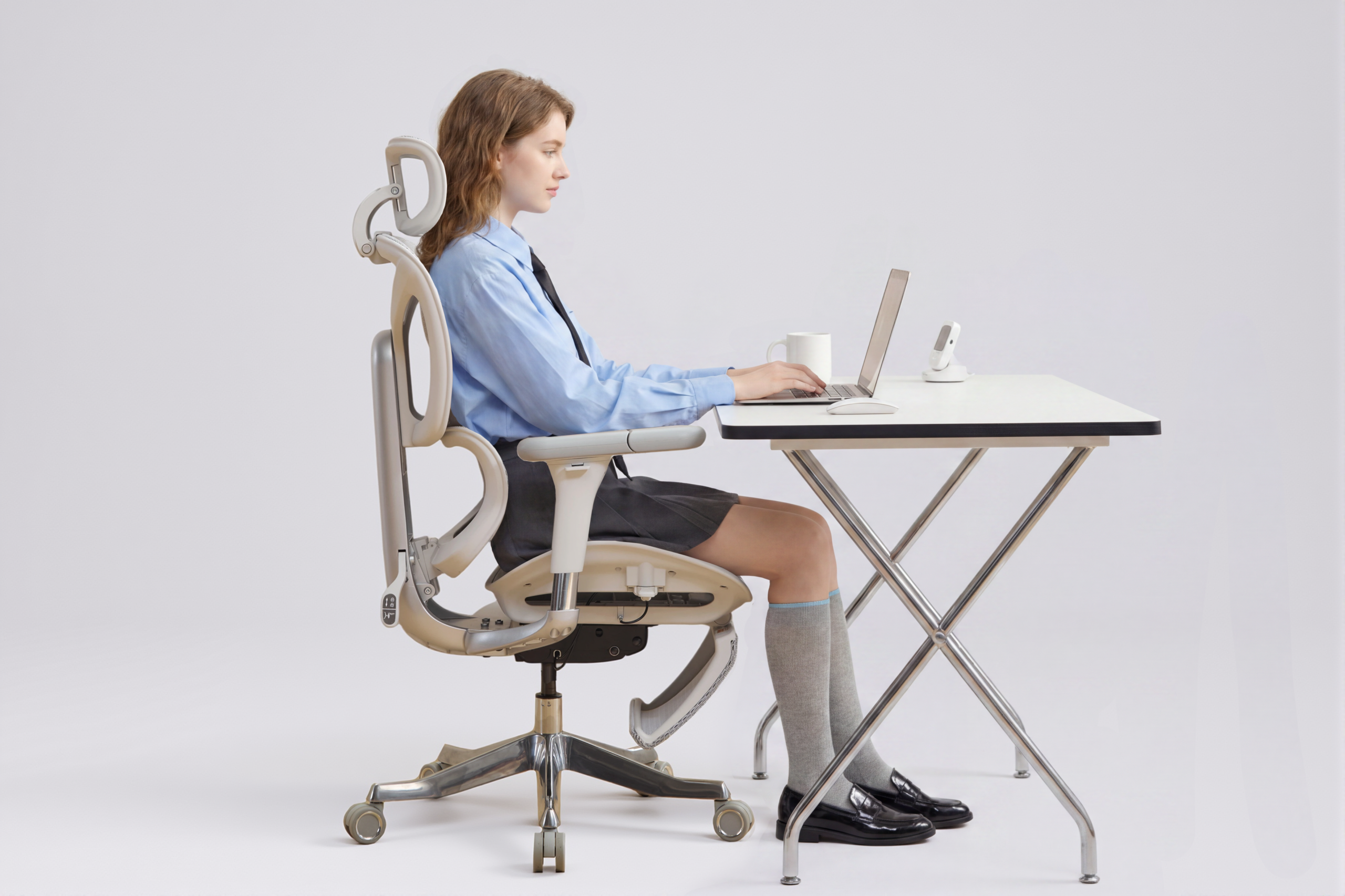
Many office chairs handle only one of those positions reasonably well. They feel fine during a quick trial, but several hours later, the weaknesses become obvious: the armrests sit in the wrong place, the lower back loses support, or changing the recline means searching underneath the seat for another lever.
The Welax S9 Pro approaches the problem from a more realistic starting point. People move, so the chair should move with them.
Its adjustable seat, responsive lumbar section, 6D armrests and three reclining positions let it change character throughout the day—from focused office chair to a considerably more relaxed place to sit.
One Lever Instead of a Collection of Controls
Some ergonomic chairs appear to require their own instruction manual. There is a lever for height, another for recline and a knob somewhere near the back that you may not discover until months later.
The S9 Pro keeps its main adjustments in one place. Its cable-controlled mechanism lets you change the seat height, seat depth and backrest recline using a single lever.
It sounds like a small convenience. In everyday use, it is anything but.
A deeper seat position may feel right while reclining but less suitable when you are typing close to a desk. The ideal height can also change when moving between a desk, drafting surface or gaming setup.
When those adjustments are easy to reach, you are far more likely to make them instead of remaining in an uncomfortable position simply because changing it feels like a nuisance.
Lower-Back Support That Does Not Stay Frozen in Place
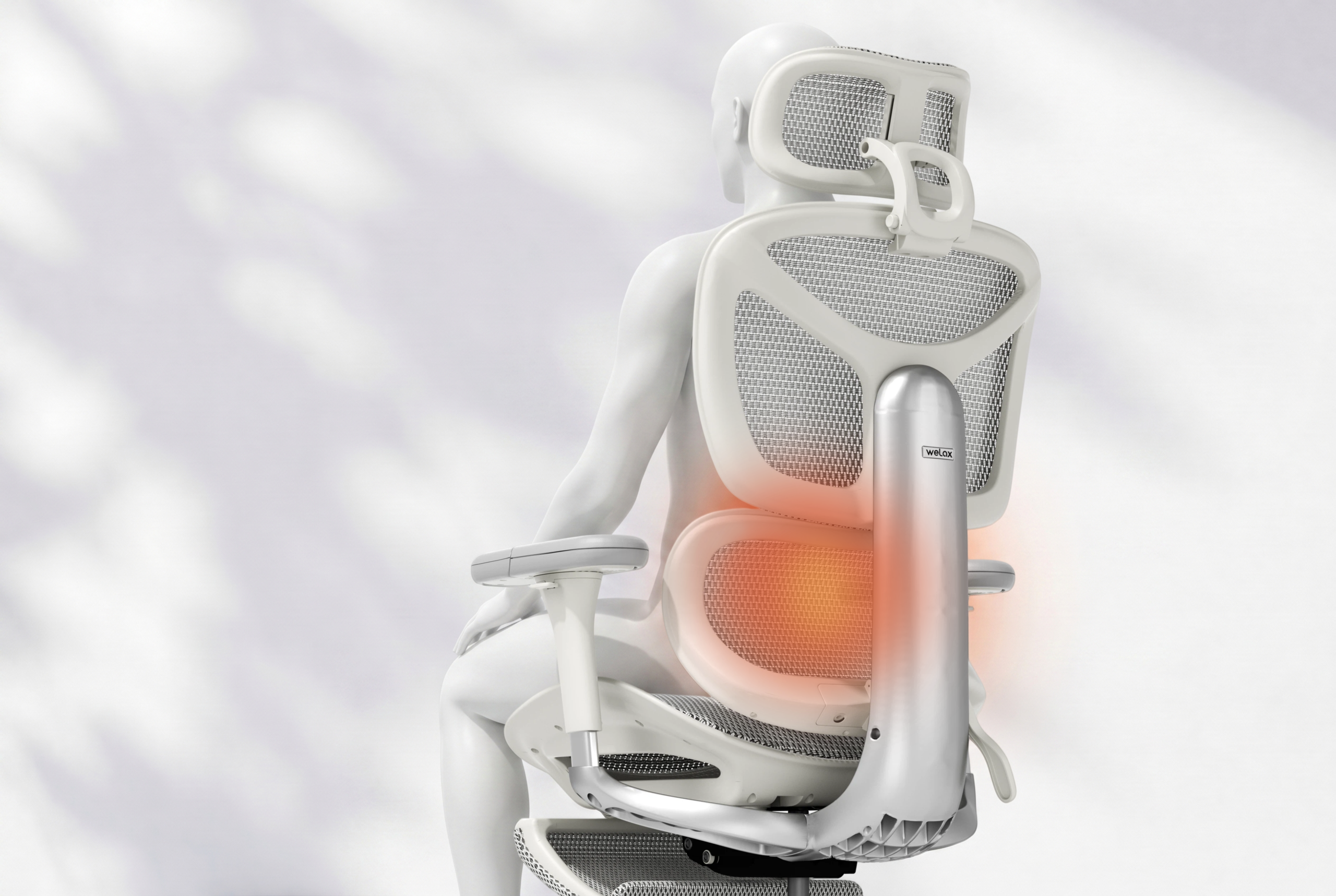
A conventional lumbar cushion supports one specific area. Shift forward or recline, and that support may no longer line up with your lower back.
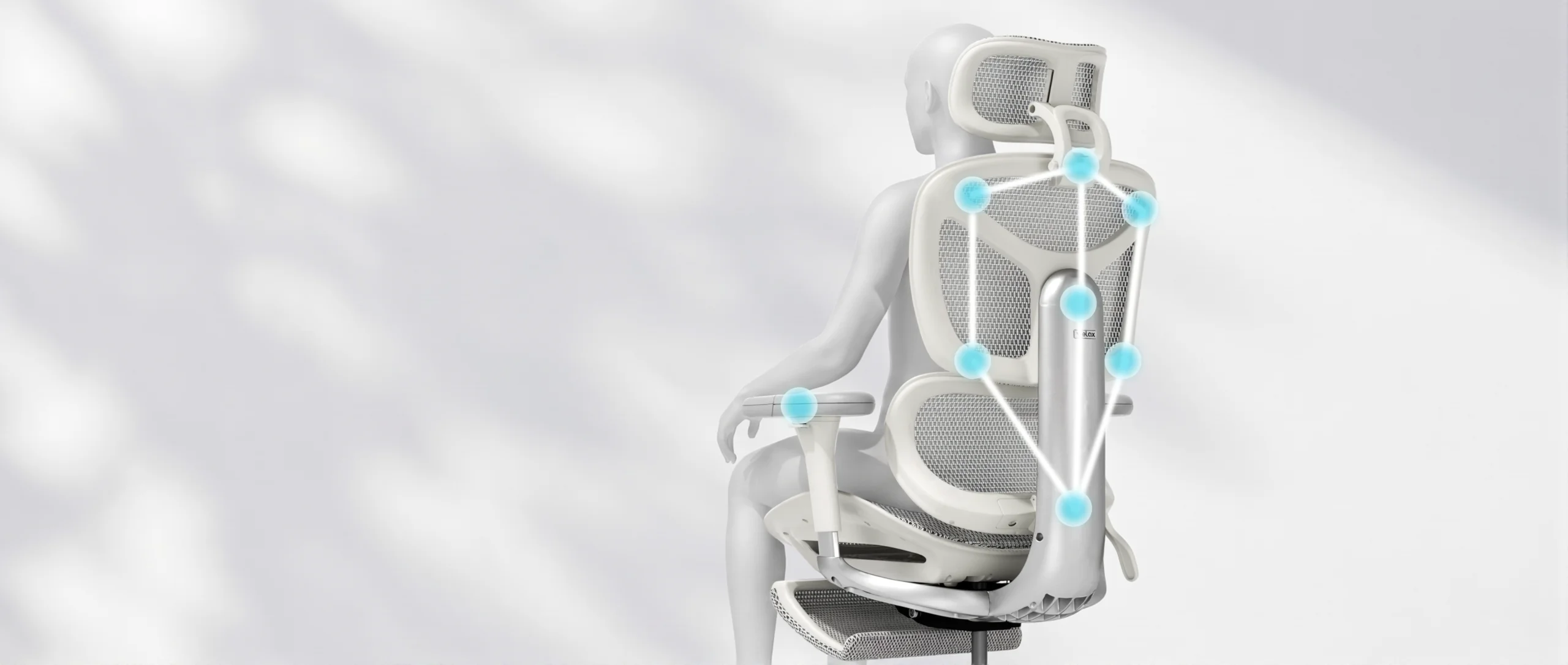
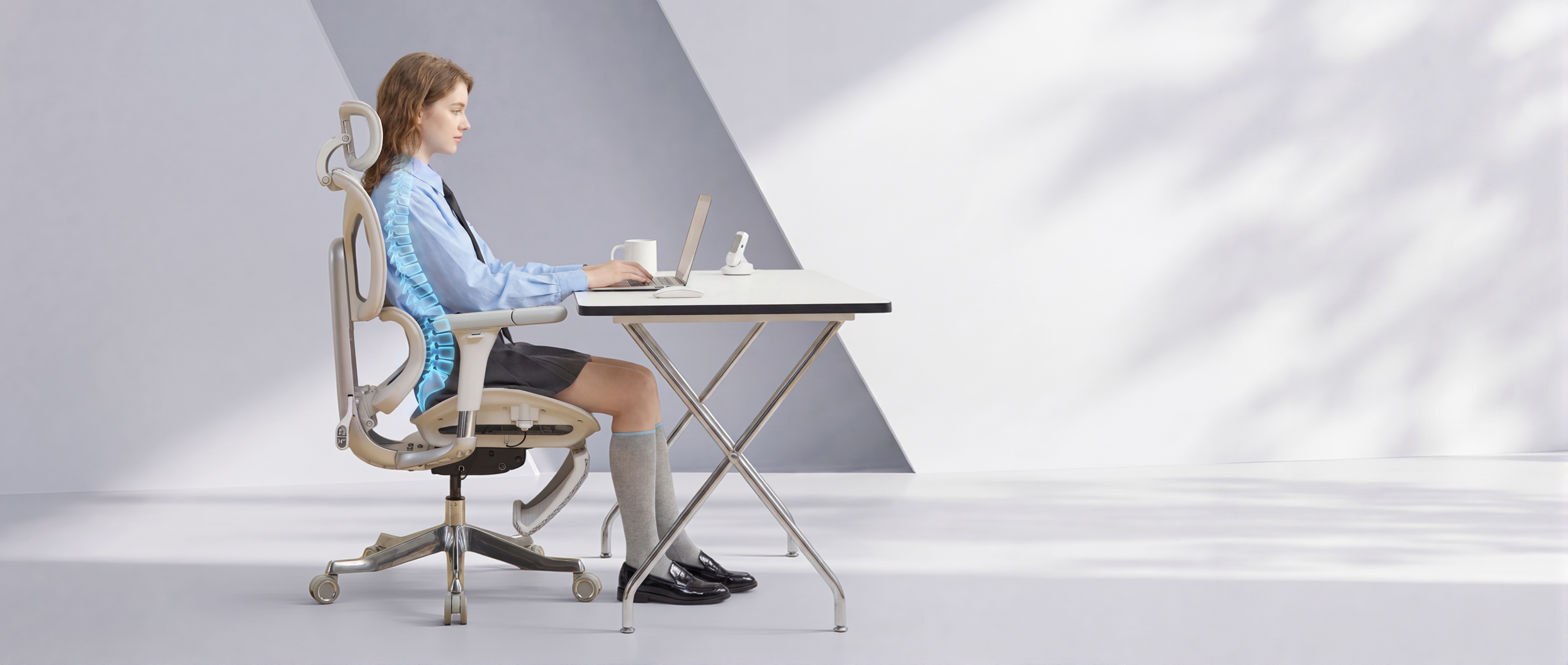
The S9 Pro uses a dynamic lumbar system that follows the curve of the spine as the user changes position. Rather than holding one fixed shape, the lumbar section responds to movement and keeps support directed toward the lower-back region.
This is particularly relevant during long sessions. A programmer might alternate between intense keyboard work and leaning back to review code.
A designer may move repeatedly between a tablet, keyboard and second display. Students and researchers rarely stay still while reading, writing and taking notes.
The chair does not try to lock any of them into a supposedly perfect pose. It provides support while their posture naturally changes.
The Armrests Are More Useful Than They First Appear
Armrests often seem like a secondary feature—right up until they are too high, too low or nowhere near the position in which your arms actually rest.
The S9 Pro’s 6D armrests can be adjusted for height, rotated through 360 degrees and flipped to 15, 30 or 45-degree positions.
That range makes them useful for more than standard desk work. They can be angled toward a keyboard, repositioned for a controller or moved when the desk shape demands a less conventional arm position.
They also move in synchronization with the backrest. Recline the chair and the arm support follows, rather than leaving your elbows awkwardly behind.
That matters because poorly placed armrests can encourage raised shoulders or unsupported forearms. Here, there is enough movement to find a position that fits the task instead of settling for whichever position the chair manufacturer chose.
Three Reclining Positions, Each With a Clear Purpose
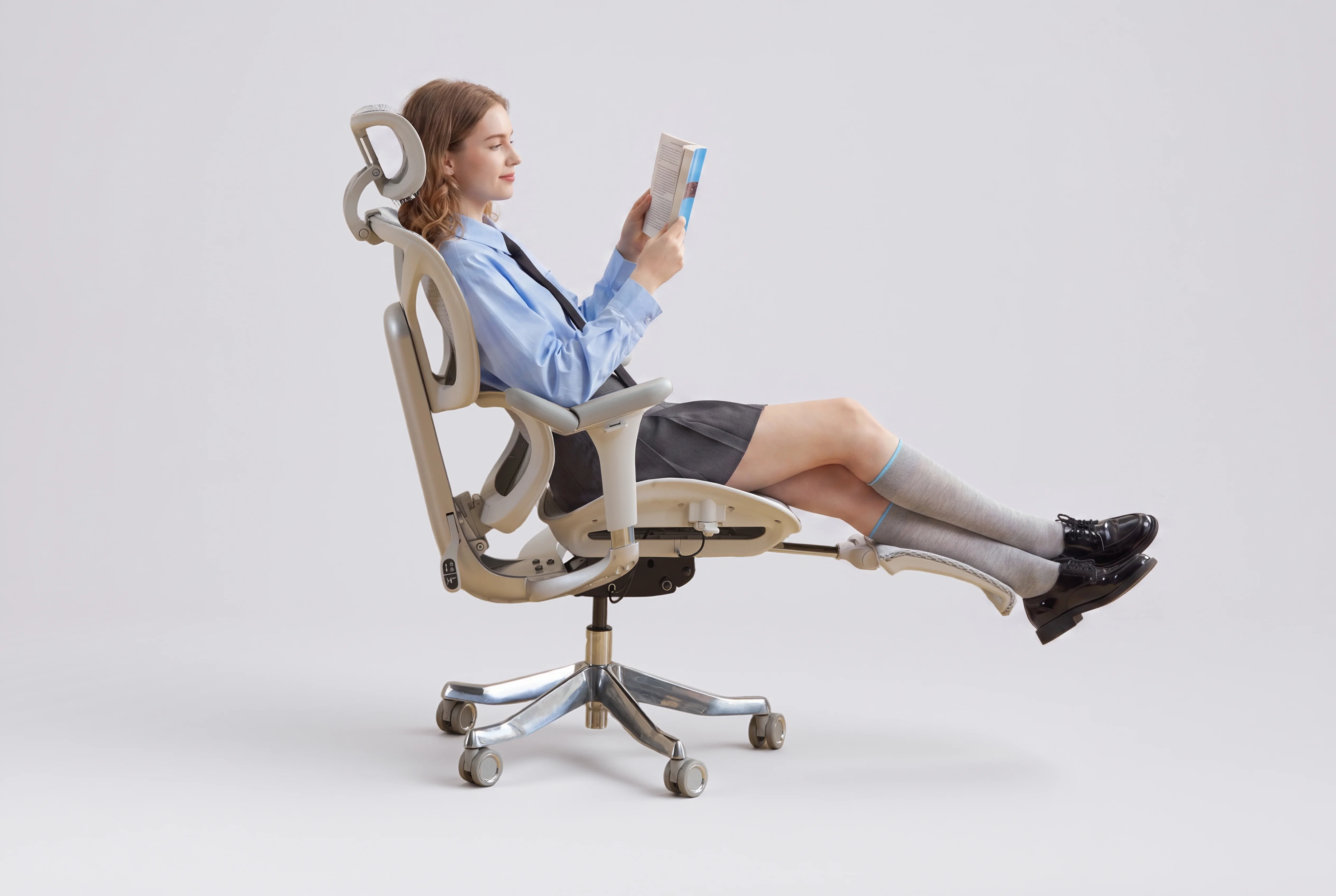
The recline system avoids an endless range of vague stopping points. Instead, it provides three lockable angles.
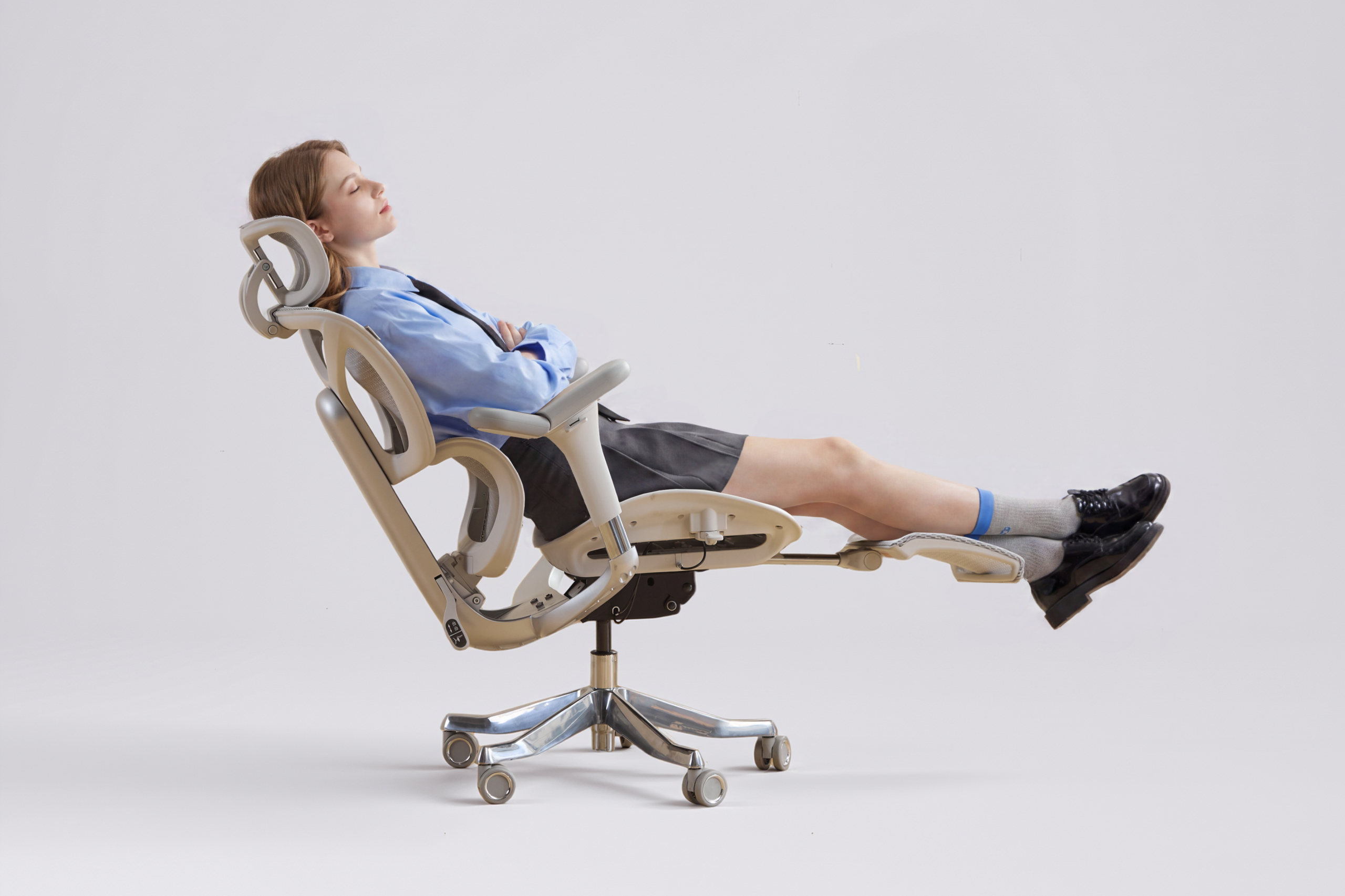
At 105 degrees, Focus Mode keeps the user relatively upright for typing, studying and other concentrated work. The 116-degree Work and Meeting Mode opens the seating angle slightly, making it a natural choice for video calls, conversations or less intensive desk tasks.
Then there is the 130-degree Relax Mode. This is the setting for watching something, taking a break or simply getting away from the forward-leaning posture that tends to take over a workday.
A retractable footrest extends from beneath the seat when extra leg support is wanted. Once the break is over, it slides away without permanently occupying floor space. The S9 Pro still looks and functions like an office chair; it just happens to have a far more relaxed side.
A Headrest You Can Actually Position
A badly placed headrest can push the head forward or sit so far back that it barely makes contact. The S9 Pro uses a 3D headrest with height adjustment and up to 60 degrees of angular movement.
That flexibility allows it to sit differently when you are working upright and when you are reclined. The intention is straightforward: support the neck without forcing it into an unnatural position.
Welax recommends the chair for people approximately 150 to 190 centimeters tall. The broad adjustment range should make it suitable for many home-office users, professionals, students and gamers, although—as with any chair—individual body proportions still matter.
The Mesh Is More Than a Styling Choice
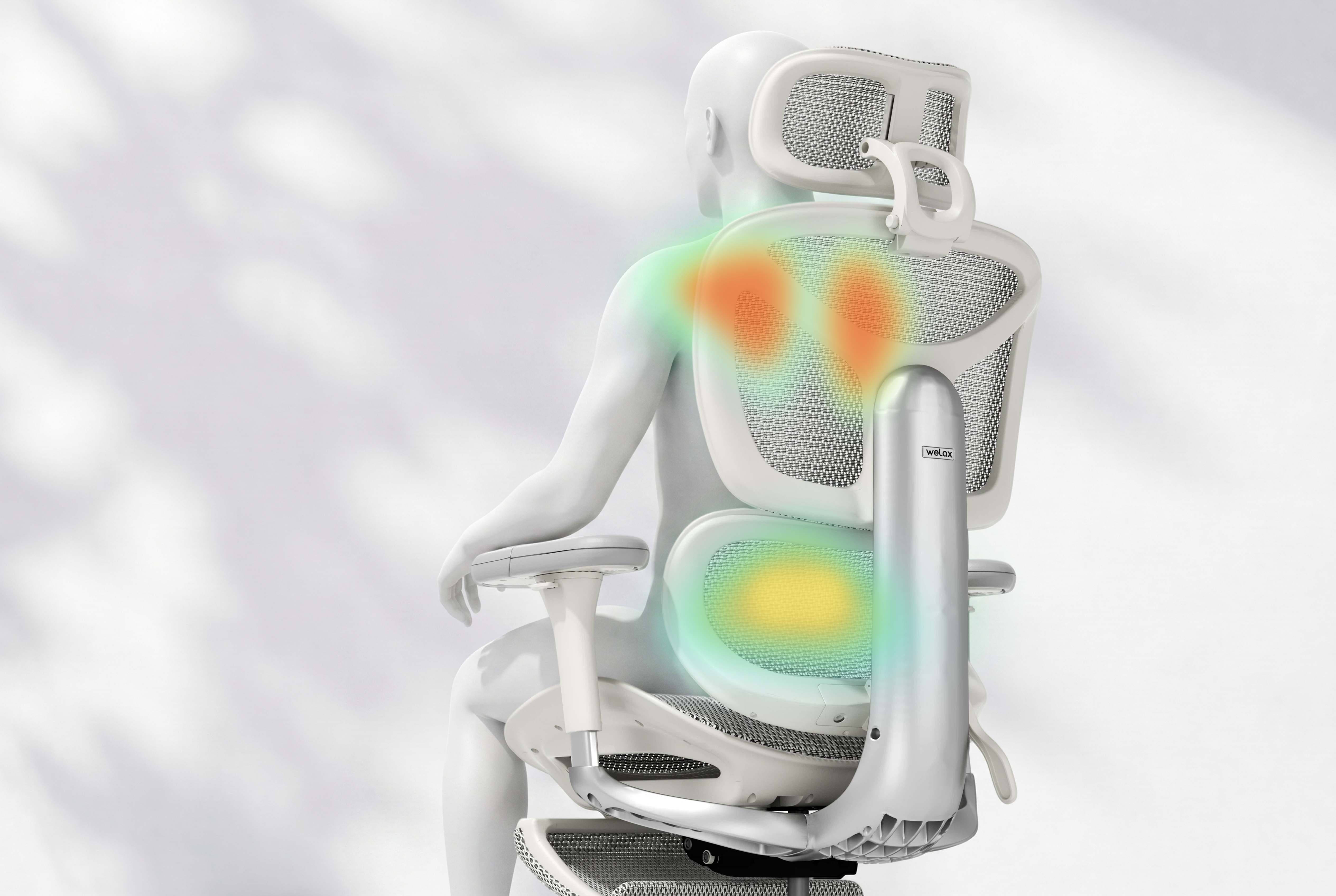
Mesh chairs are often chosen because they feel cooler than heavily padded alternatives. Air can move through the seat and back instead of heat being trapped against the body—a noticeable advantage during long sessions or in warmer rooms.
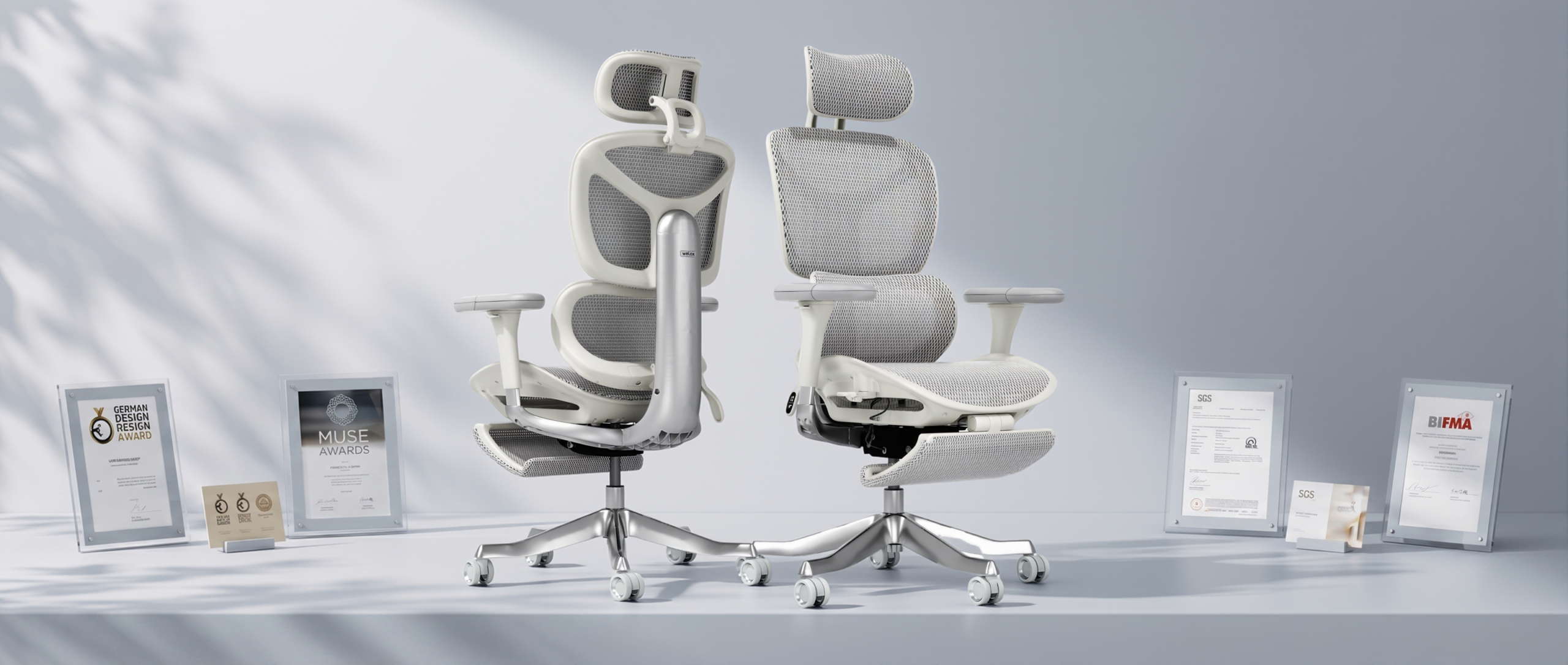
The S9 Pro uses German Krall+Roth mesh weighing 430 grams per square meter. The heavier material is intended to provide a combination of elasticity, breathability and long-term durability.
The supplied specifications rate the mesh for 100,000 Martindale abrasion cycles under DIN EN ISO 12947-2. The Martindale test repeatedly rubs a fabric to simulate wear; reaching 100,000 cycles indicates material intended for demanding use rather than occasional seating.
The mesh also carries a Grade 5–7 light-fastness rating under DIN EN ISO 105-B02 and meets the listed flame-resistance requirements of DIN EN 1021 and DIN 66084.
Abrasion and pilling resistance are part of the package too, helping the surface retain its appearance after repeated contact with clothing.
These standards are not the exciting part of buying a chair. They are the part you may appreciate after using it every day.
Underneath It All
The S9 Pro sits on a high-strength aluminum-alloy base rather than a lightweight plastic one. Its SGS-certified Class-4 gas lift is built for frequent adjustment and supports a stated maximum user weight of approximately 150 kilograms.
Movement comes from 65-millimeter polyurethane casters. They are intended to roll quietly and work across common office and home surfaces, including hardwood flooring.
The chair’s testing figures offer a better sense of what those components are expected to withstand: 100,000 caster-rolling cycles, 60,000 armrest durability cycles, gas-lift durability testing and heavy-duty load testing for the aluminum base.
You will not notice any of those numbers while answering emails. That is rather the point. The mechanical parts of a good chair should quietly continue doing their jobs.
Built Around a Real Working Day
What makes the Welax S9 Pro interesting is not one dramatic feature. It is the way several practical details meet in the same chair.
The lumbar support responds when you shift position. The armrests follow the recline. The headrest can be repositioned instead of merely being present for appearance.
A single control handles the adjustments people are likely to use most often, while the footrest remains hidden until the workday slows down.
At 10 a.m., the S9 Pro can be an upright task chair. During an afternoon meeting, it can open into a less rigid position. Later, it can recline for reading, gaming or watching a video without asking the user to move somewhere else.
For a home office, creative workspace, study room or gaming setup, that adaptability may be the chair’s strongest argument.
It acknowledges a simple fact that office furniture sometimes forgets: comfort is not one position held perfectly. It is having the freedom and support to keep moving.
