

If you have ever registered at an online casino, sooner or later you have probably been asked to upload a copy of your ID or a recent bill.
For many players this feels like an unnecessary hurdle, especially when all they want to do is start playing or withdraw their winnings.
In reality, this step — known as KYC, or “Know Your Customer” — is a standard part of how licensed operators work, and it exists for good reasons. Understanding what it involves and why it is required makes the whole process far less frustrating.
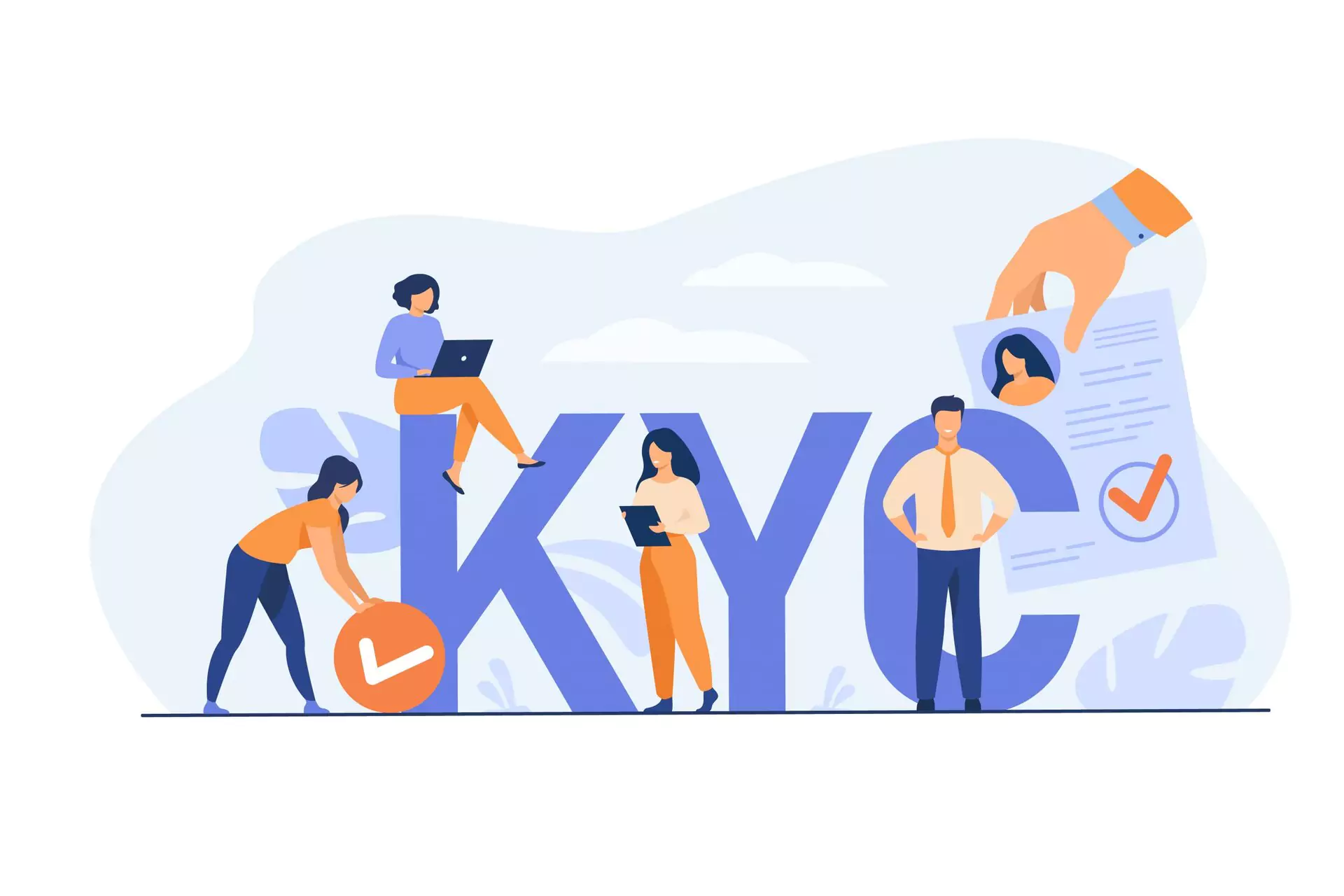
What KYC Actually Means?
KYC stands for “Know Your Customer” and refers to the checks a casino carries out to confirm that a player is who they claim to be. In practice, it means verifying your identity, your age, your address and, in some cases, the source of the money you play with.
These checks are not the invention of a single website — they are a legal obligation that every licensed operator has to meet.
Rather than a one-off formality, KYC is an ongoing process: you can pass the initial checks and still be asked for extra information later if something in your activity changes.
Why Casinos Ask for Documents?
Behind the request for documents lies a whole framework of rules and safeguards. The reasons fall into a few clear categories.
Meeting Legal and Licensing Requirements
Licensed casinos operate under strict anti-money-laundering and counter-terrorist-financing regulations. Verifying customers is one of the core controls that regulators expect to see, and failing to apply it can cost an operator its licence.
At the same time, the data collected must be handled according to data-protection rules such as the GDPR, which means it should be stored securely and used only for its intended purpose.
Preventing Underage Gambling
Confirming a player’s date of birth is one of the simplest yet most important goals of verification. Gambling is restricted to adults, and checking an official document is the most reliable way to make sure that no one under the legal age slips through.
Stopping Fraud and Money Laundering
Because casinos handle real money and fast transactions, they are an attractive target for criminals. Verification helps block stolen cards, chargebacks, bonus abuse and attempts to open multiple accounts.
Linking each payment method to a real person also makes it far harder to use a platform to launder illegally obtained funds.
Protecting Players
Finally, verified accounts support responsible gambling. When an operator knows who its customers are, it can better spot worrying changes in behaviour and step in where spending or activity suggests a problem.
Which Documents You’ll Usually Need?
The exact list depends on the operator and your situation, but most casinos ask for the same core set of documents. Preparing them in advance saves a lot of time:
- Proof of identity — a passport, national ID card or photo driving licence.
- Proof of address — a recent utility bill, bank statement or official letter, usually no older than a few months.
- Proof of payment — a screenshot or statement showing that the card or e-wallet you use belongs to you.
- A selfie — often required so the casino can match your face to your ID.
- A source-of-funds declaration — requested in some cases, especially for larger sums.
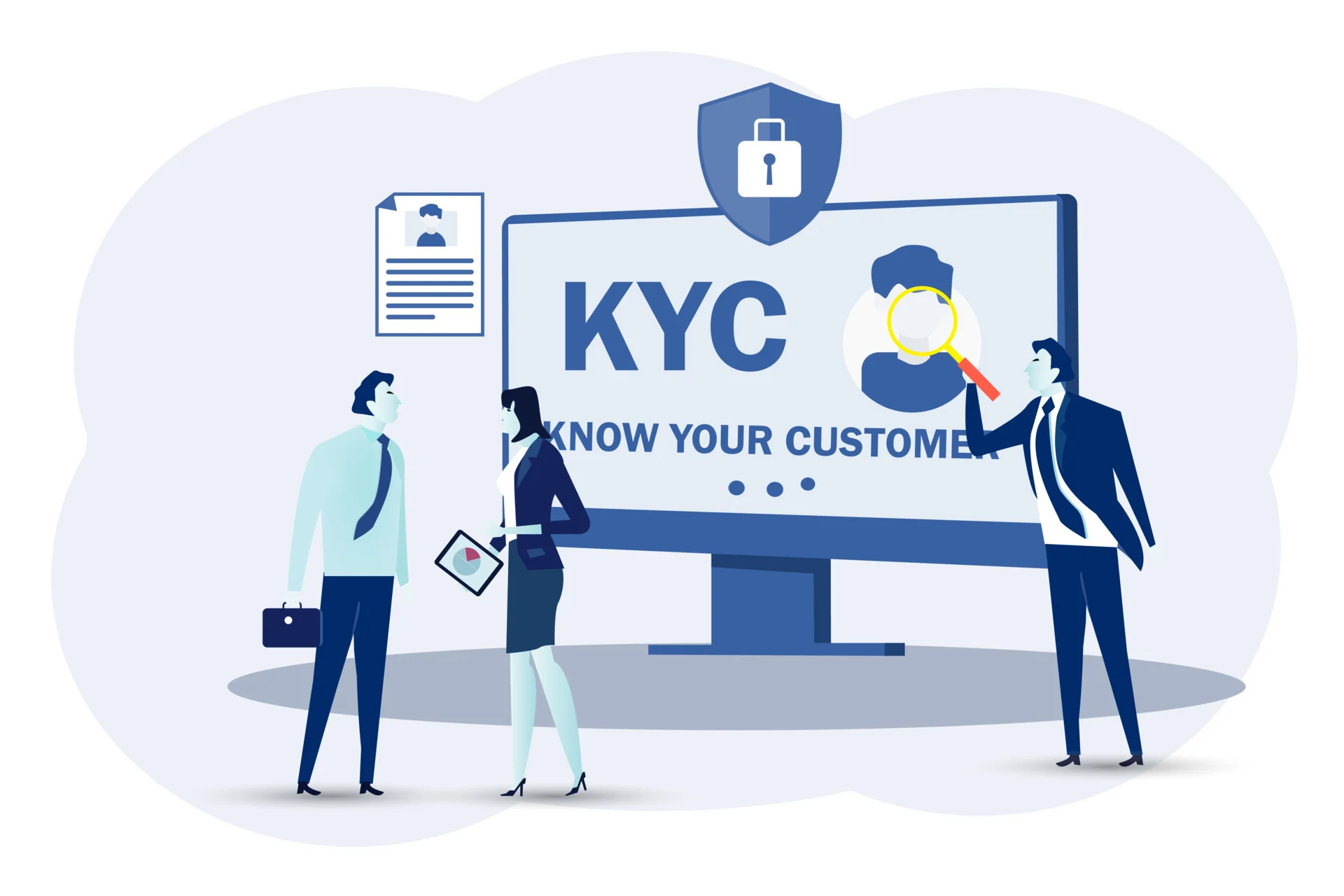
When Verification Happens?
Verification does not always take place at the same moment. In some markets you must confirm your identity and age before you can deposit or play at all, while elsewhere the first real check comes when you request a withdrawal.
Larger or repeated transactions can trigger additional, enhanced checks, and adding a new payment method usually calls for fresh proof of ownership.
At a licensed operator such as vulkanvegas, this routine follows the same logic as at any regulated casino, so it helps to expect it rather than be caught off guard. Certain risk signals — an unusual location, a VPN connection or mismatched details — may also prompt a request for documents at any time.
How to Make Verification Quick and Painless?
The good news is that you have a lot of control over how smoothly verification goes. A few simple habits make a real difference:
- Complete the process early, ideally soon after registering, rather than waiting until your first withdrawal.
- Use clear, well-lit photos or scans in which every detail is readable.
- Make sure your documents are current and have not expired.
- Check that the name and address on your documents match the details on your account.
- Keep your proof of payment consistent with the method you actually use to deposit.
A Step Worth Taking
Although verification can feel like extra paperwork, it works in your favour more than it might seem. It keeps your account and funds secure, blocks criminals from exploiting the platform and makes your withdrawals faster and more reliable once it is done.
A casino that takes these checks seriously is usually one that also takes player safety seriously. Seen from that angle, handing over a document or two is a small price for a gaming experience that is both legal and genuinely secure.
