

The hobby that once felt like the best part of the day can slowly turn into something closer to an obligation.
Players around the world describe logging in out of habit rather than enjoyment, chasing goals that no longer feel rewarding, and feeling drained instead of refreshed when they finally stop.
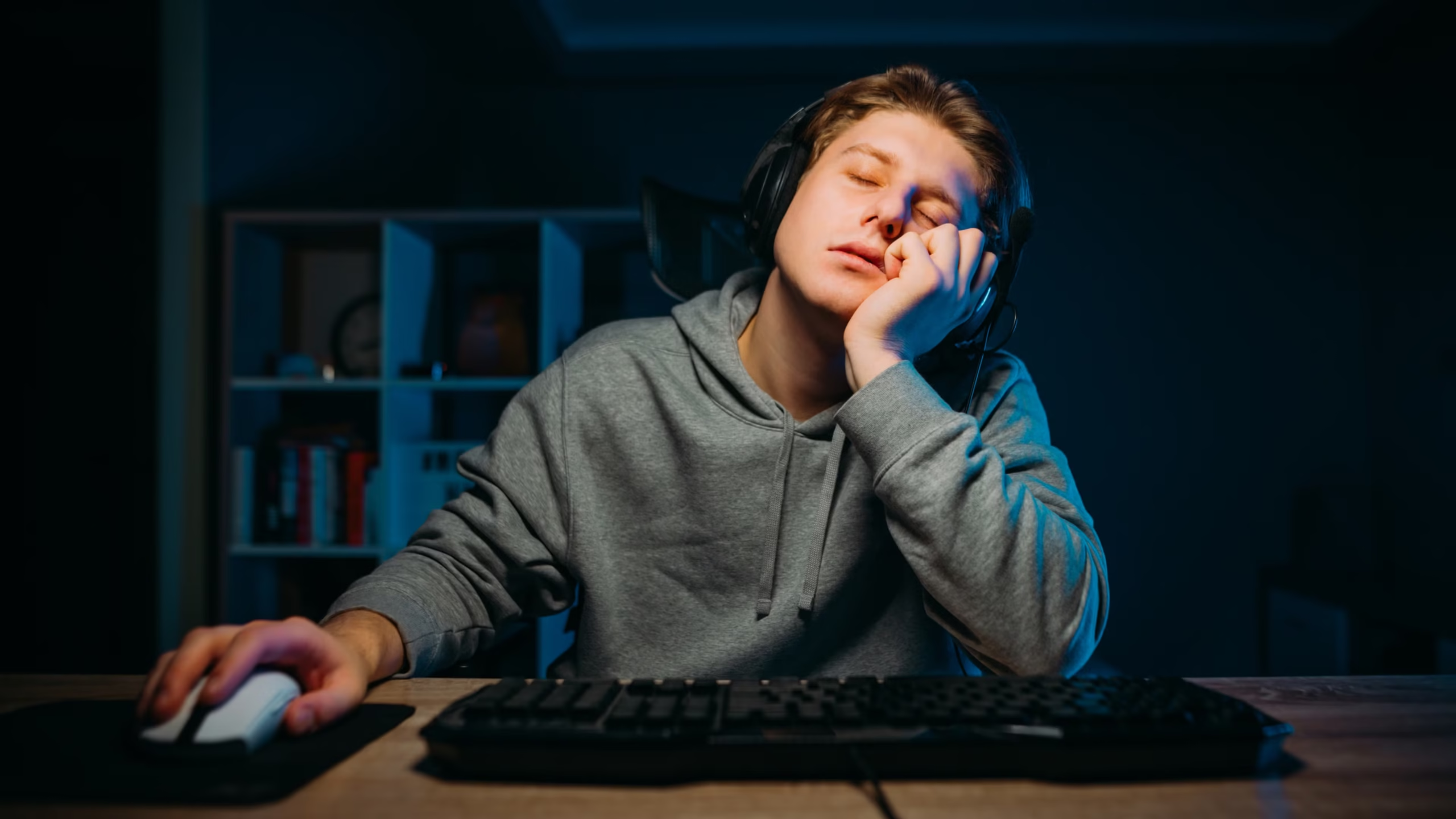
That creeping sense of exhaustion has a name, and it reaches casual players, streamers, and competitive professionals alike.
Knowing how gaming burnout takes hold, what it looks like in daily life, and how to step back from it makes the difference between a pastime that energizes you and one that quietly wears you down.
What Gaming Burnout Actually Means?
Burnout is best understood as the exhaustion that builds up when an activity demands more energy than it gives back over a long stretch of time.
The World Health Organization frames it mainly around chronic workplace stress, yet the same pattern appears in almost any pursuit people throw themselves into, including gaming.
It is not the same as a single frustrating session or a passing dip in motivation. Instead, it shows up as a steady loss of enjoyment, mental fatigue, and a sense of simply going through the motions.
Burnout also differs from a diagnosable gaming disorder, which the WHO recognizes as a separate clinical condition affecting only a small minority of players.
Most people who feel burned out are overextended rather than dependent, which is encouraging news, because it means thoughtful changes to routine can usually turn things around.
Signs That Play Has Tipped Into Burnout
Spotting burnout early is easier when you know what to look for, since the warning signs tend to creep in gradually rather than arriving all at once. Many players notice a mix of emotional, physical, and behavioral changes that build over weeks.
The clearest signal is usually a shift in how the activity feels: what once brought a sense of fun or flow now feels flat, repetitive, or even stressful.
Recognizing a cluster of these patterns, rather than a single off day, is what separates ordinary tiredness from genuine burnout:
- Loss of enjoyment even during sessions you used to look forward to
- Irritability or restlessness when you cannot play, alongside reluctance to start
- Disrupted sleep, eye strain, headaches, or tension from long unbroken sessions
- Skipping meals, exercise, friendships, or responsibilities to keep playing
- Playing mostly to chase rewards or avoid missing out rather than for fun
Noticing two or three of these over a sustained period is a useful prompt to pause and reassess, well before the pattern becomes harder to break.
Why Burnout Has Become a Global Problem?
Gaming burnout has grown alongside the way modern games are built and played. Many of today’s most popular titles are live services designed to be played indefinitely, with daily tasks, limited-time events, and seasonal content that reward constant attendance.
Skipping a few days can mean falling behind, so the fun of playing quietly turns into the pressure of keeping up.
Competitive scenes add another layer, as streamers and professional players often log marathon hours to stay relevant, and that intensity filters down to dedicated fans who copy their habits.
Because online communities span every time zone, there is always someone online and something happening, which makes a natural stopping point hard to find.
These forces reach players across continents, which is why burnout now appears everywhere from casual mobile gamers to elite esports athletes.
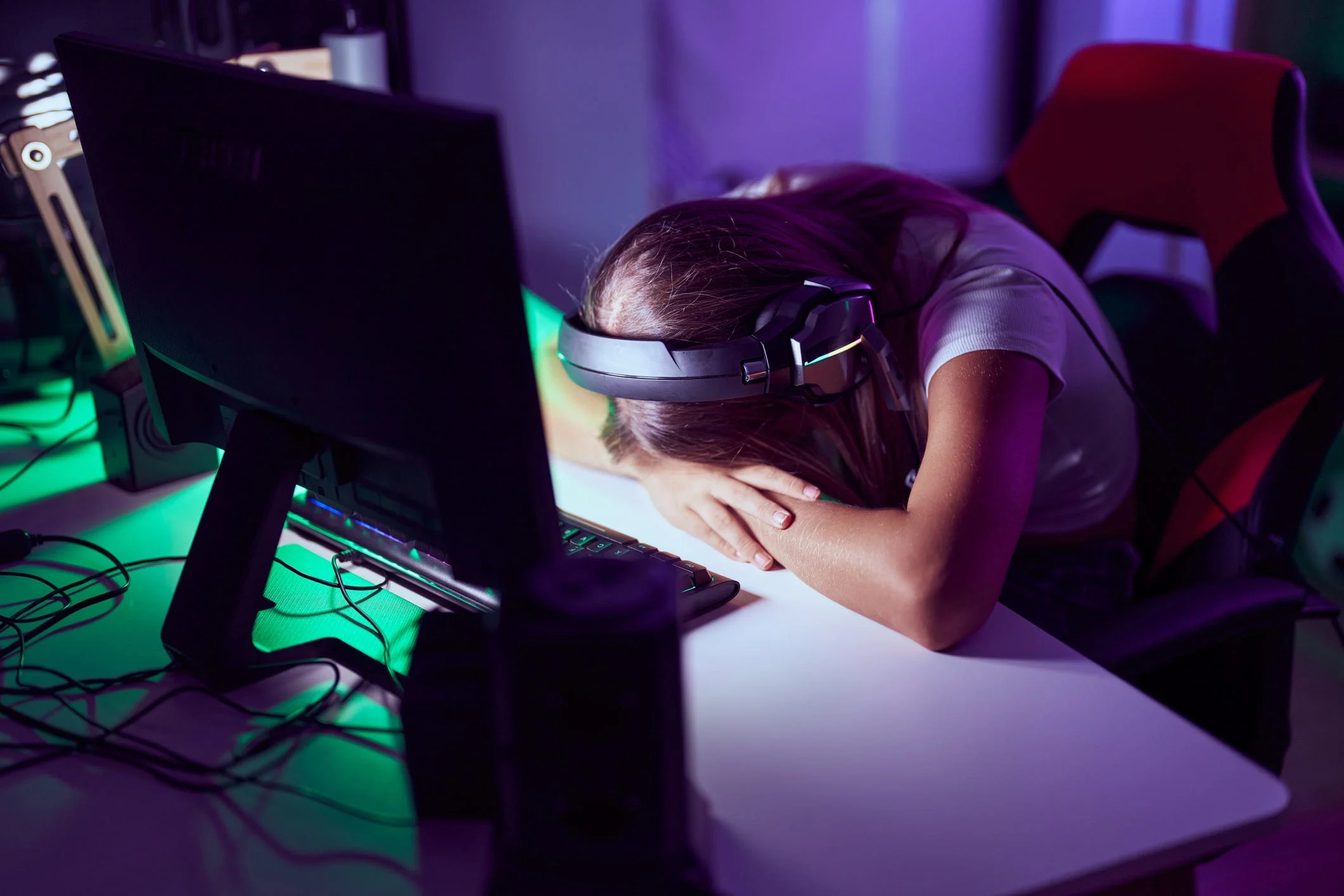
Building Healthier Play Habits
Recovering from burnout rarely means quitting altogether, and for most people a few deliberate boundaries do more good than a dramatic break.
Setting a fixed time budget before you start is one of the most reliable habits, because it turns an open-ended evening into a clear, satisfying session with a defined end. Variety helps just as much, since rotating between different kinds of leisure keeps any single activity from becoming a chore.
The same caution applies to online casino entertainment, and someone who occasionally enjoys a session at BruceBet benefits from the same fixed limits they would set for any other game, so that a short break never quietly expands to fill the whole night.
Regular screen breaks, proper sleep, and time spent away from a controller or keyboard all give the mind a chance to reset and rediscover why the hobby was appealing in the first place.
Keeping Play Enjoyable for the Long Run
Gaming is meant to be a source of enjoyment, and burnout is the signal that the balance has slipped. The reassuring part is that it is usually reversible: by watching for the early warning signs, understanding the design pressures that nudge you to overplay, and building simple limits into your routine, you can protect both your wellbeing and your love of the hobby.
Treat your downtime as something worth managing rather than maximizing, check in honestly with how play actually makes you feel, and adjust before exhaustion sets in. Do that, and gaming stays what it was always meant to be: a part of life you genuinely look forward to.
