

Every invention that reshaped how we live, work, and play was once someone’s “ridiculous idea.” From the telephone to the personal computer, the pattern is almost comically predictable: first laughter, then resistance, then grudging acceptance, and finally widespread adoption.
Understanding this cycle doesn’t just make for fun history—it reveals something fundamental about how humans process new ideas and why the boldest innovations always face the harshest skepticism.
What makes this pattern even more striking is that it repeats across every era, every industry, and every culture—suggesting that our relationship with novelty is hardwired, not situational.
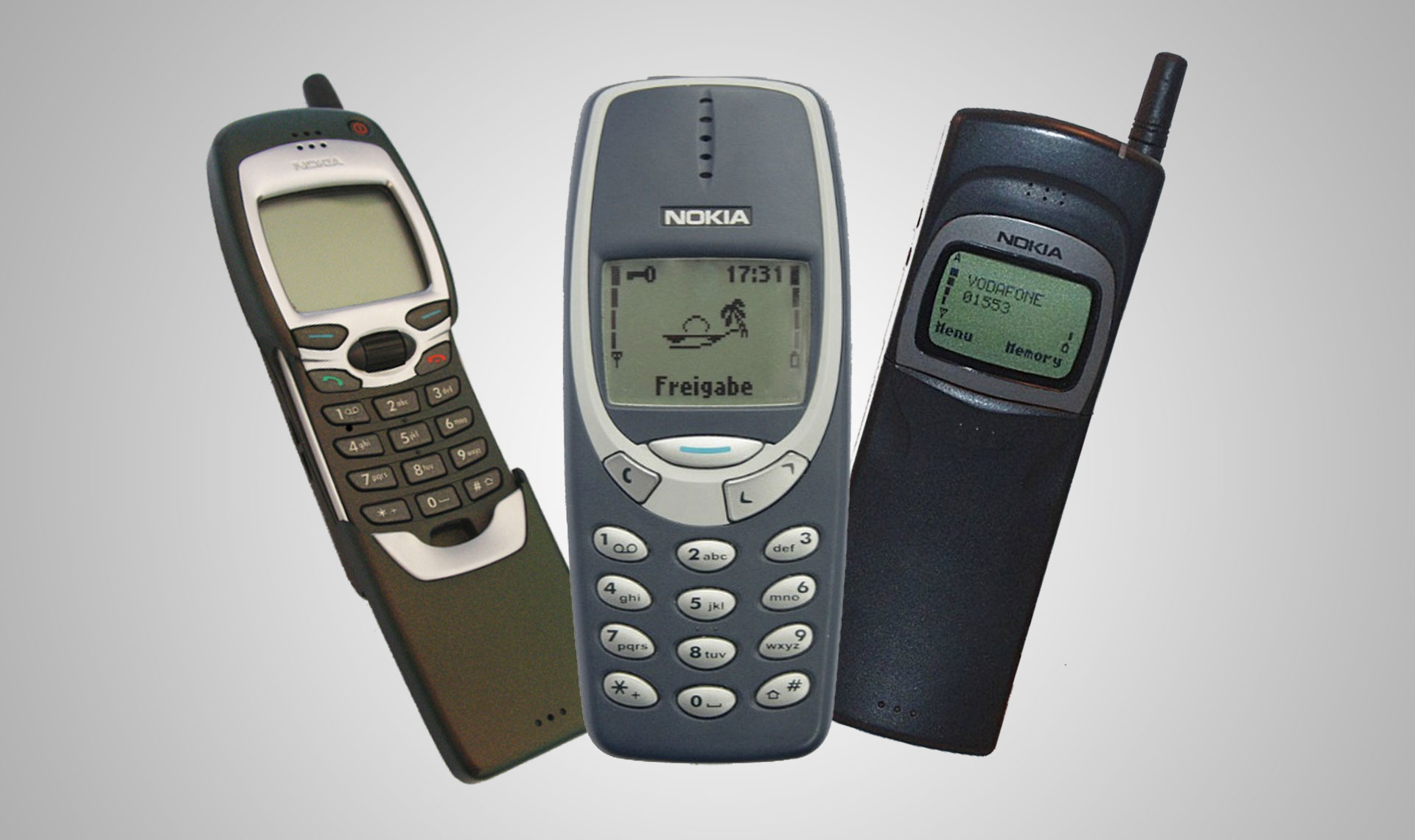
The Ridicule-to-Revolution Pipeline
History is packed with examples of brilliant minds being told they were wasting their time. The pattern is so consistent it practically qualifies as a natural law.
- The telephone (1876): Western Union’s internal memo famously dismissed Alexander Graham Bell’s invention, calling it inherently of “no value.” Within decades, the telephone became the backbone of global communication. What makes this example especially telling is that Western Union was the dominant communications company of its era—yet even industry leaders couldn’t see what was coming.
- The automobile (1900s): Critics insisted horses were more reliable, cheaper, and smarter than any motorized carriage. The president of Michigan Savings Bank reportedly warned that “the horse is here to stay, but the automobile is only a novelty.” Early breakdowns and the lack of paved roads seemed to confirm the skeptics’ position, yet Henry Ford’s assembly line would soon make car ownership accessible to millions.
- Personal computers (1977): Ken Olsen, founder of Digital Equipment Corporation, allegedly said there was “no reason anyone would want a computer in their home.” Today, billions of people carry one in their pocket.
| Invention | Year Introduced | Common Criticism | Current Impact |
| Telephone | 1876 | “No practical value” | 8+ billion mobile subscriptions worldwide |
| Light bulb | 1879 | “A completely impractical gimmick” | Foundation of modern infrastructure |
| Airplane | 1903 | “Heavier-than-air flight is impossible” | 4 billion passengers annually pre-pandemic |
| Internet | 1990s | “A fad that will fade” | Over 5 billion users globally |
The takeaway? Mockery often says more about the critic’s imagination than the inventor’s competence. In nearly every case, the loudest detractors were people deeply invested in the old way of doing things.
Why We Laugh at What We Don’t Understand?
There’s actual psychology behind this knee-jerk dismissal. Our brains are wired to favor the familiar and distrust the unfamiliar.
Behavioral scientists call this status quo bias—the preference for things as they currently are, even when a better alternative is sitting right in front of us.
This isn’t laziness; it’s an evolutionary survival mechanism that once helped humans avoid unnecessary risk in dangerous environments.
Here are the main reasons groundbreaking ideas face ridicule:
- Cognitive dissonance: When a new concept contradicts deeply held beliefs, people find it easier to mock than to rethink their worldview. Admitting you might be wrong requires mental effort most people instinctively avoid.
- Loss aversion: Established industries and professionals feel threatened by innovations that could make their skills or products obsolete. Blacksmiths didn’t celebrate the automobile, and taxi companies didn’t welcome ride-sharing apps.
- Lack of context: Without a frame of reference, people simply cannot picture how something unfamiliar could work in everyday life. The first time someone described “electronic mail,” most people struggled to see why it would ever replace a stamped envelope.
- Social conformity: Once a few influential voices dismiss an idea, others pile on to avoid seeming naive or gullible.
This same psychology plays out in entertainment and leisure industries too. When online gambling first emerged, skeptics dismissed it as a passing curiosity that could never match the atmosphere of a physical casino floor.
Fast forward to today, and platforms have completely rewritten those assumptions. Fiery Play online casino is a strong example of how modern wagering experiences deliver real-time slots, table games, and live dealer sessions with high-quality streaming, generous bonus structures, and fast payouts—all from a single account.
The betting industry’s transformation from skepticism to mainstream acceptance mirrors the same cycle every bold invention goes through.
The Traits Shared by Ideas That Survived the Laughter
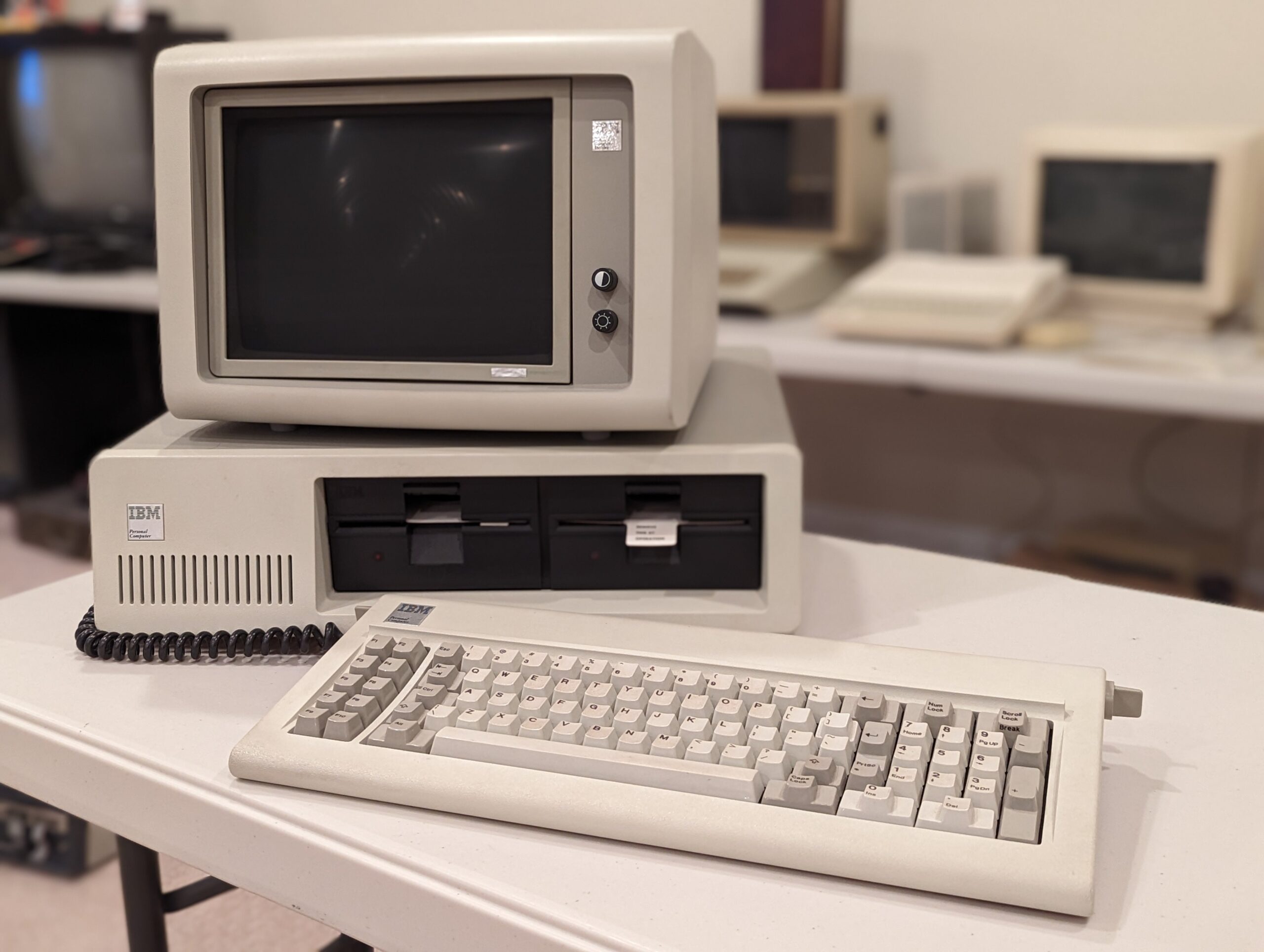
Not every mocked idea succeeds, of course. Plenty of strange inventions deserve their place in the dustbin. But the ones that break through share common characteristics:
- They solve a real problem, even if people don’t realize the problem exists yet. The best innovations create awareness of a need at the same time they deliver the solution.
- They improve with iteration—early versions might be clunky, but the core concept is sound. The first mobile phones weighed nearly two pounds, yet the underlying idea of portable communication was unassailable.
- Their creators persist despite overwhelming negativity from peers, investors, and the press. James Dyson built over 5,000 failed prototypes before perfecting his bagless vacuum cleaner.
- Timing eventually catches up, as infrastructure, culture, or complementary technologies mature. Electric cars existed in the early 1900s but needed a century of battery development before becoming viable at scale.
| Trait | Failed Inventions | Successful Inventions |
| Solves a genuine need | Often a solution seeking a problem | Addresses a clear pain point |
| Adaptability | Rigid, unable to evolve | Iterates based on feedback |
| Creator persistence | Abandoned after first criticism | Pushed forward despite years of mockery |
| Ecosystem readiness | Arrived too early or too late | Aligned with supporting technologies |
The Role of Timing
One factor that deserves special attention is timing. Many inventions that were dismissed weren’t actually bad ideas—they were just early.
Tablet computers existed long before the iPad, but the technology ecosystem wasn’t ready to support them. When the right idea meets the right moment, adoption can shift from impossible to inevitable almost overnight.
What This Means for Spotting Tomorrow’s Breakthroughs?
If history teaches us anything, it’s that the next world-changing idea is probably being laughed at right now. Recognizing this pattern gives you an edge—whether you’re an investor, an entrepreneur, or simply someone who wants to stay ahead of the curve.
The ability to distinguish premature mockery from legitimate criticism is one of the most valuable skills in any fast-moving field.
Three practical filters to separate future winners from genuine dead ends:
- Ask “what problem does this solve?” first. If the answer is clear and affects many people, the mockery is likely premature. Solutions that address universal frustrations—saving time, reducing cost, increasing access—tend to win eventually.
- Watch for passionate small communities. Early adopters who won’t shut up about something are often the canary in the coal mine. Bitcoin, social media, and electric vehicles all had devoted niche followings years before mainstream acceptance.
- Ignore consensus opinions from people with something to lose. Incumbents almost always underestimate disruptors because acknowledging the threat means questioning their own relevance.
The next time you hear someone call a new idea absurd, remember the telephone, the car, and the internet.
Every one of them endured years of public ridicule before becoming so embedded in daily life that we can’t imagine existing without them. Laughter fades. Good ideas don’t.
