
Somewhere around the third time a remote worker carries a laptop from an apartment to a café and then to a coworking space on the same day, something starts to click: work often feels better that way.
Not necessarily more efficient in the hyper-optimized “5 a.m. deep work” sense the internet loves. But people tend to feel more awake. Less trapped inside repetitive routines. The brain stops treating every workday like a copy of the previous one.
A lot of remote workers seem to be arriving at the same point lately.
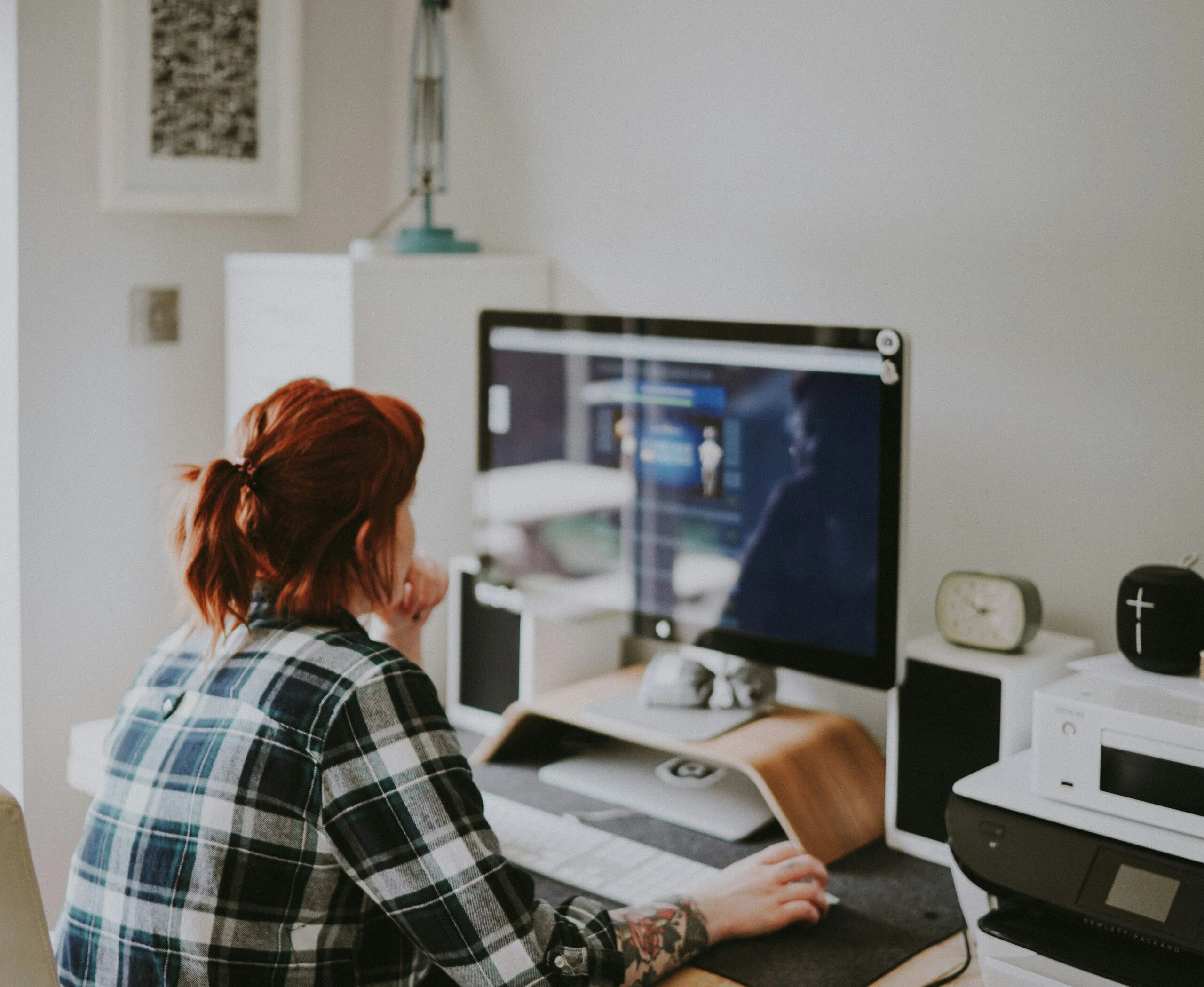
For years, the ideal setup was obvious: build the perfect home office, remove commuting entirely, and optimize every square meter around productivity.
That made sense, especially after remote work became permanent for millions of people. Entire industries formed around desk setups, ergonomic chairs, cable management, monitor arms, and ambient lighting.
And yet, now, oddly enough, many people are leaving those carefully designed spaces for at least part of the week.
Not because home offices failed. More because humans get weird when every hour of life happens in the exact same room.
The “third space” routine is basically the response to that.
The Home Office Started Feeling Too Complete
The original appeal of remote work was freedom. But somewhere along the line, many people accidentally recreated miniature corporate environments at home.
Same desk every day. Same chair. Same wall. Same coffee mug. Same notifications. Same Slack sounds.
At first, that consistency feels productive. Eventually, for many people, it starts flattening the day.
It becomes especially noticeable in creative work. Designers, writers, developers, editors, video creators — anyone whose job depends partly on momentum and mental freshness. A static environment can slowly turn into background wallpaper. The brain stops paying attention.
That’s probably one reason cafés are full of remote workers again, despite everybody spending years trying to escape noisy public spaces.
People aren’t only searching for Wi-Fi anymore. They’re searching for friction. Small environmental shifts. Different energy.
Sometimes just overhearing strangers talk is enough to break out of repetitive loops.
There’s also a practical side to it. More remote workers now travel semi-regularly or split time between cities, which naturally creates more flexible routines.
A lot of them rely on tools like a VPN simply because work no longer happens from a single fixed network or predictable location. The remote lifestyle became more mobile than many people expected back in 2020 when it all started.
Not nomadic in the influencer sense. Just… less rooted to a single desk.
The Return of Places That Aren’t Home or Work
The phrase “third space” used to mean places where people gathered outside the home and office. Cafés, libraries, parks, bars, community spaces.
Now, remote workers are adapting that idea into their routines.
Many intentionally divide environments by mental purpose:
- home for focused solo work
- café for lighter creative tasks
- coworking space for meetings
- library for deep concentration
- park bench for brainstorming or admin work
It sounds excessive until people actually try it.
A different environment changes how long time feels. And honestly, remote workers are increasingly aware that the hardest part of remote life isn’t productivity. It’s monotony.
There’s research supporting some of this, too. Environmental variation can improve cognitive flexibility and attention restoration, especially when people alternate between stimulating and quiet settings.
A 2025 piece on the Boston University website explored how third spaces are becoming psychologically (and beyond) important again as people spend more time isolated at home.
That aligns with what many remote workers already feel intuitively.
The issue isn’t simply loneliness. It’s sensory repetition.
Cafés Became Less About Coffee
You can tell the role of cafés has changed because people barely pretend they’re there “for a quick coffee” anymore.
Entire daytime crowds are remote workers rotating through laptops, headphones, and chargers like it’s a loosely organized office with pastries.
Some cafés adapted to this surprisingly well. Others clearly hate it.
Still, the appeal makes sense. Cafés offer controlled unpredictability. Enough movement to feel alive, not enough chaos to become distracting.
And unlike coworking spaces, cafés don’t require commitment. People can drift in for 90 minutes, check emails, reset their minds for a bit, and leave.
That flexibility matters more than people admit.
Rigid routines are having a slight cultural backlash right now. After years of “optimize everything,” many remote workers seem tired of turning daily life into a productivity experiment.
The third-space routine feels softer than that. Less engineered.
The Weird Psychology of Moving Somewhere Else to Think
One thing people rarely mention: changing environments creates psychological separation between types of work.
Home can slowly absorb everything if people let it.
Emails get answered in bed. Videos are edited at the kitchen table. Lunch happens next to unfinished tasks. Suddenly, an apartment stops feeling like a place where the brain fully powers down.
Leaving the house — even briefly — interrupts that blending.
It’s similar to why commuting once helped some people mentally transition into work mode, despite everybody understandably hating traffic. The transition itself had value.
Now, remote workers are intentionally recreating smaller versions of that transition.
A short walk to a library.
A train ride to a coworking space twice a week.
An afternoon spent working from somewhere with natural light instead of LED strips and monitor glow.
Tiny shifts. But they seem to matter.
Some Home Offices Are Becoming “Anchor Spaces” Instead
Interestingly, this trend hasn’t killed interest in home office setups. If anything, it changed their role.
The home office is less about spending 10 straight hours there now and more about creating a reliable anchor space.
A base.
That shift is reflected in how people design rooms lately. Fewer ultra-corporate desk setups. More hybrid spaces that can switch between focused work, gaming, reading, music, or relaxing without feeling sterile.
That overlap is part of why setup culture expanded beyond pure productivity content. People want rooms that support moods, not just tasks.
Honestly, some of the same ideas behind “How To Build The Perfect Gaming Room” apply surprisingly well to remote workspaces, too — comfort, lighting, flexibility, and a sense that the room belongs to the person, not their employer.
The old “maximize output” mindset feels slightly outdated now.
People still care about efficiency, obviously. They just don’t want every environment to feel optimized to death.
Portable Work Setups Quietly Became Normal
There’s also a hardware angle to all this.
Five years ago, mobile setups often looked temporary. Now people build them intentionally:
- lightweight mechanical keyboards
- compact laptop stands
- noise-canceling headphones
- portable monitors
- tech organizers
- battery packs that basically power half a desk
A surprising number of remote workers now maintain two workstations simultaneously: a home setup and a mobile one.
Not because they travel constantly, but because mobility reduces friction. If leaving the apartment feels annoying, people stop doing it.
And once people normalize working across multiple environments, they start to notice which places actually help them think clearly.
Some focus best around ambient noise. Others need silence. Some become more creative around movement. Others need visual minimalism.
The third-space routine isn’t one universal formula. It’s more like permission to stop pretending everyone works best the same way.
Coworking Spaces Got Less Corporate, Too
Coworking culture also shifted a bit recently.
Early coworking spaces often felt like startups trying too hard to look disruptive. Neon signs. Kombucha on tap. Beanbags nobody used.
Many newer spaces feel calmer. Smaller. More residential, almost.
Less “networking hub,” more functional social environment.
That distinction matters because many remote workers aren’t necessarily looking for community in the loud, extroverted sense. They just want a passive human presence nearby. Tiny moments of social texture.
Someone making coffee.
A quiet conversation in the background.
The sense that the world exists outside a task list.
That sounds dramatic written out like this, but prolonged isolation genuinely affects people in subtle ways.
Especially freelancers and solo creators.
Not Every Day Needs to Happen at Maximum Efficiency
One thing remote workers are slowly relearning is that productivity isn’t only about squeezing out more output.
Sometimes the goal is simply sustaining enough energy to keep liking the work itself.
The hyper-efficient version of remote work often ignored that. Everything became measurable:
- screen time
- focus blocks
- morning routines
- optimized sleep
- productivity dashboards
Useful sometimes, exhausting other times.
The third-space routine feels like a correction to that mindset. Less obsessed with perfect systems. More interested in creating days that feel mentally livable.
And honestly, remote work probably needed that correction.
Because the dream was never really “sit in one room forever.” It was freedom to shape days differently.
A lot of people are finally starting to use that freedom again.
