

Roblox is home to hundreds of different experiences, but Grow a Garden has managed to carve out a dedicated following – partly because of how deep the item and progression system goes once you’re past the surface.
On the surface it looks like a casual farming game for younger players. Spend a bit of time with it, though, and you’ll realize there’s a fairly serious collecting and trading ecosystem underneath that keeps experienced players engaged for months.
Understanding how that ecosystem works – what items are worth targeting, how rarity is determined, and where most players focus their attention – is what separates players who progress quickly from those who spin their wheels farming the wrong things.
How the Game Actually Works?
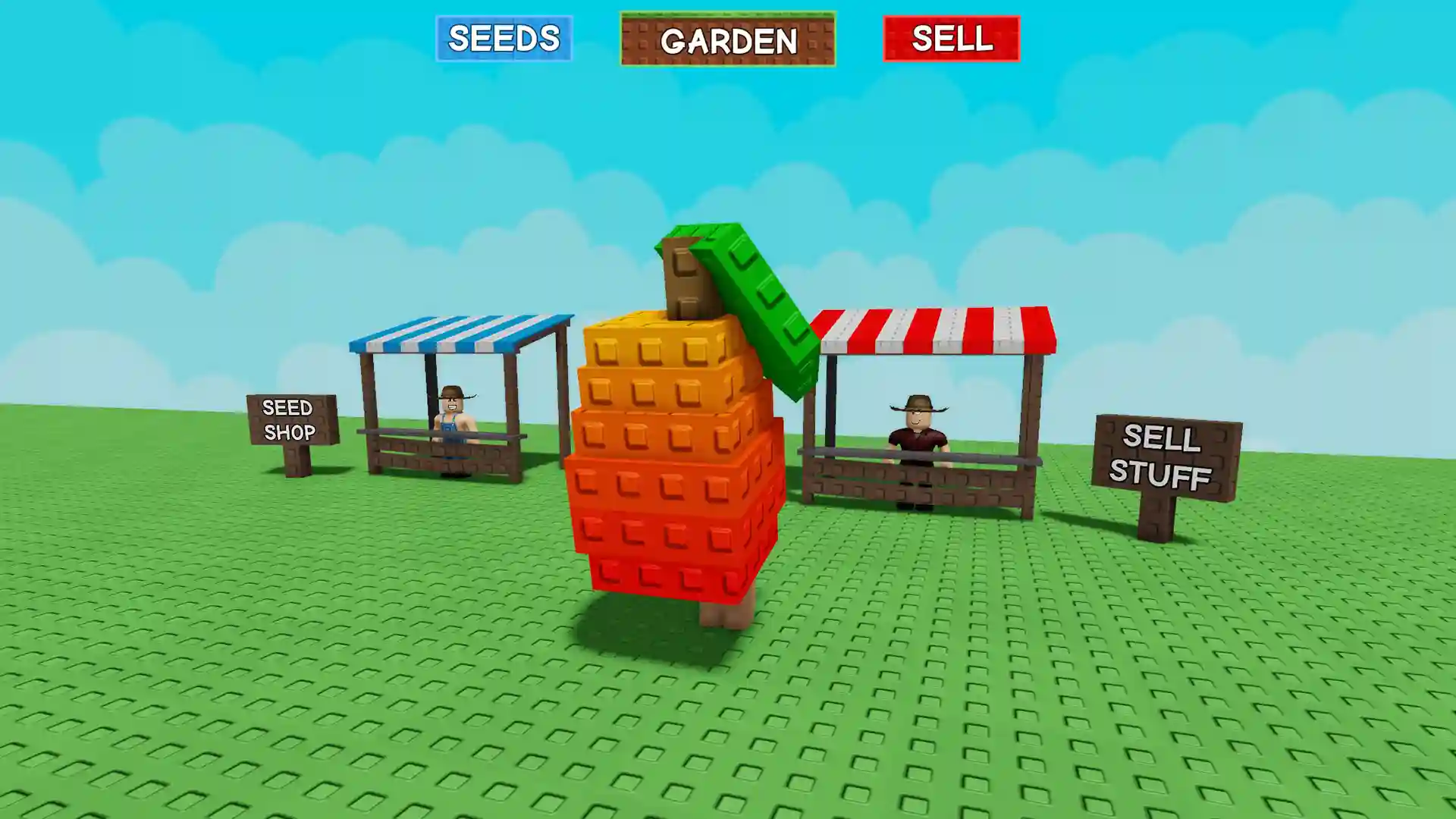
The core loop in Grow a Garden is exactly what it sounds like. You plant crops, tend to them, and harvest what grows.
But the game adds meaningful complexity through different crop varieties, weather events, special seeds, tool upgrades, and time-limited items that only appear under specific conditions or during seasonal windows.
Some crops are immediately available and easy to grow. Others require specific tools you’ll need to unlock or purchase, rare seeds that don’t appear in standard shops, or the right weather conditions to trigger.
The highest-value items in the game are almost always tied to systems that don’t operate on a predictable daily schedule, which is why some players with consistent availability have a significant advantage over occasional players.
Why Certain Items Hold High Value?
The value of any item in Grow a Garden comes down to two factors: how hard it is to obtain and how useful or desirable it is to other players.
Items that are only available during specific in-game weather events – thunderstorms, frost nights, blood moon cycles – are harder to obtain simply because the conditions don’t occur on demand. You can’t force the weather. You can only be ready when it happens.
Mutation items sit in their own tier of value. Mutations change how crops grow and what they produce, and some mutations dramatically outperform others in terms of output efficiency.
Players who discover a strong mutation combination and want to replicate it across their farm will pay well for the right mutation items. This creates consistent demand at the upper end of the economy.
Purely cosmetic or prestige items – rare crops and decorations with no mechanical purpose – round out the high-value category.
These serve as visible signals of time invested in the game. Other players notice them, and for collectors, that visibility is part of the appeal.
The Trading Community
Grow a Garden has an active trading community that operates across Roblox’s own systems and external platforms.
Items change hands regularly as players optimise their farms, clear out surplus stock, or chase specific items for builds they’re working toward. Understanding what’s currently valued – and what’s undervalued – is part of being an effective trader.
For players who want to build out their inventory faster than the normal farming pace allows, the Grow a Garden shop on Eldorado is worth knowing about. Eldorado is a player-to-player marketplace where Roblox items including Grow a Garden stock are listed and sold between users.
It’s a practical option if you’re targeting specific rare items that don’t appear often in normal gameplay and you don’t want to wait weeks for the right conditions to arrive.
Getting the Most from Your Farm
Efficiency in Grow a Garden comes from consistent habits built over time. A few that experienced players consistently point to:
Check in regularly. Weather events are time-limited and won’t wait for you. Players who check the game frequently are more likely to be online when rare conditions appear. Setting a reminder during known active periods helps.
Prioritise mutations early. A mutated crop that produces more per harvest compounds your income over time. Getting strong mutations as early as possible changes the trajectory of the whole playthrough.
Don’t overfarm common crops. The market for common items is crowded and the returns are low. Redirect your farm space toward medium-rarity or rare crops as quickly as possible.
Participate in seasonal events. Grow a Garden runs limited events that introduce items not available any other way. These are almost always worth engaging with while active, even if the event content isn’t your favourite.
The Visual Side of the Game
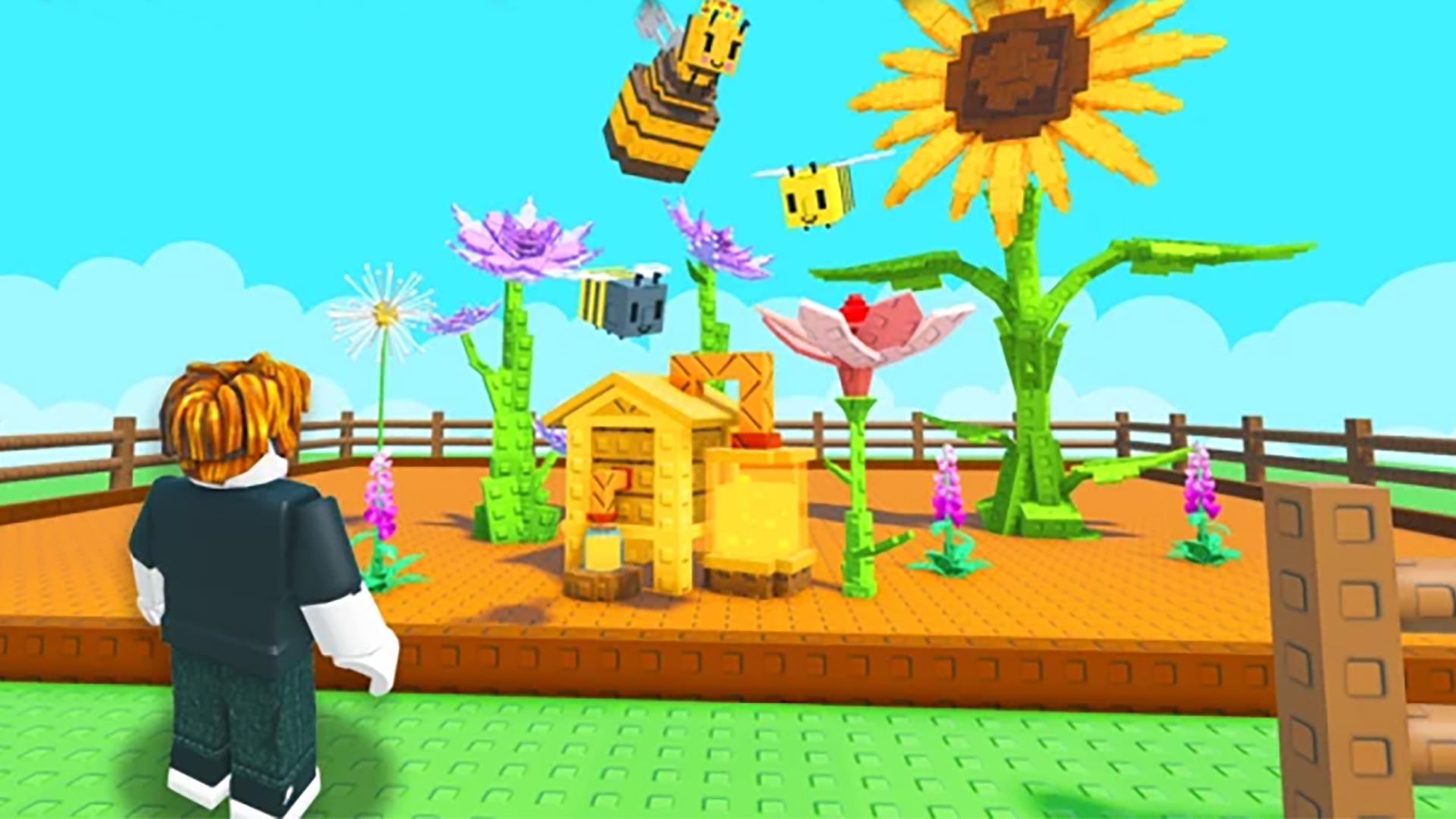
Part of Grow a Garden’s ongoing appeal is how farms become creative projects in their own right. Rare crops and decorative items transform a functional growing space into something that other players notice and remember.
The most followed farms in the community tend to combine genuine mechanical efficiency with interesting visual design – they’re not just optimised, they’re distinctive.
Building a farm that functions well and looks good requires both time and the right items. Players who invest in the cosmetic and prestige side of the game alongside the mechanical side tend to enjoy it more long-term. The two goals reinforce each other in ways that make the whole experience more satisfying.
Whether you’re farming for efficiency, collecting for completeness, or building for aesthetics, Grow a Garden has enough depth to support all three approaches simultaneously. The players who figure that out early tend to stick around the longest.
