







Ever feel like your desk is just too small to stay tidy? No drawers, no shelves, and no clue where to put all your stuff?
You’re not alone.
Whether you’re working from a compact corner or a floating tabletop, lack of built-in storage makes it hard to stay focused. Cables tangle, pens disappear, and clutter piles up faster than your to-do list.
The good news is you don’t need more space — you just need smarter storage.
Here’s how to organise a small desk without drawers using clever, space-saving ideas that keep things clear, calm, and close at hand.

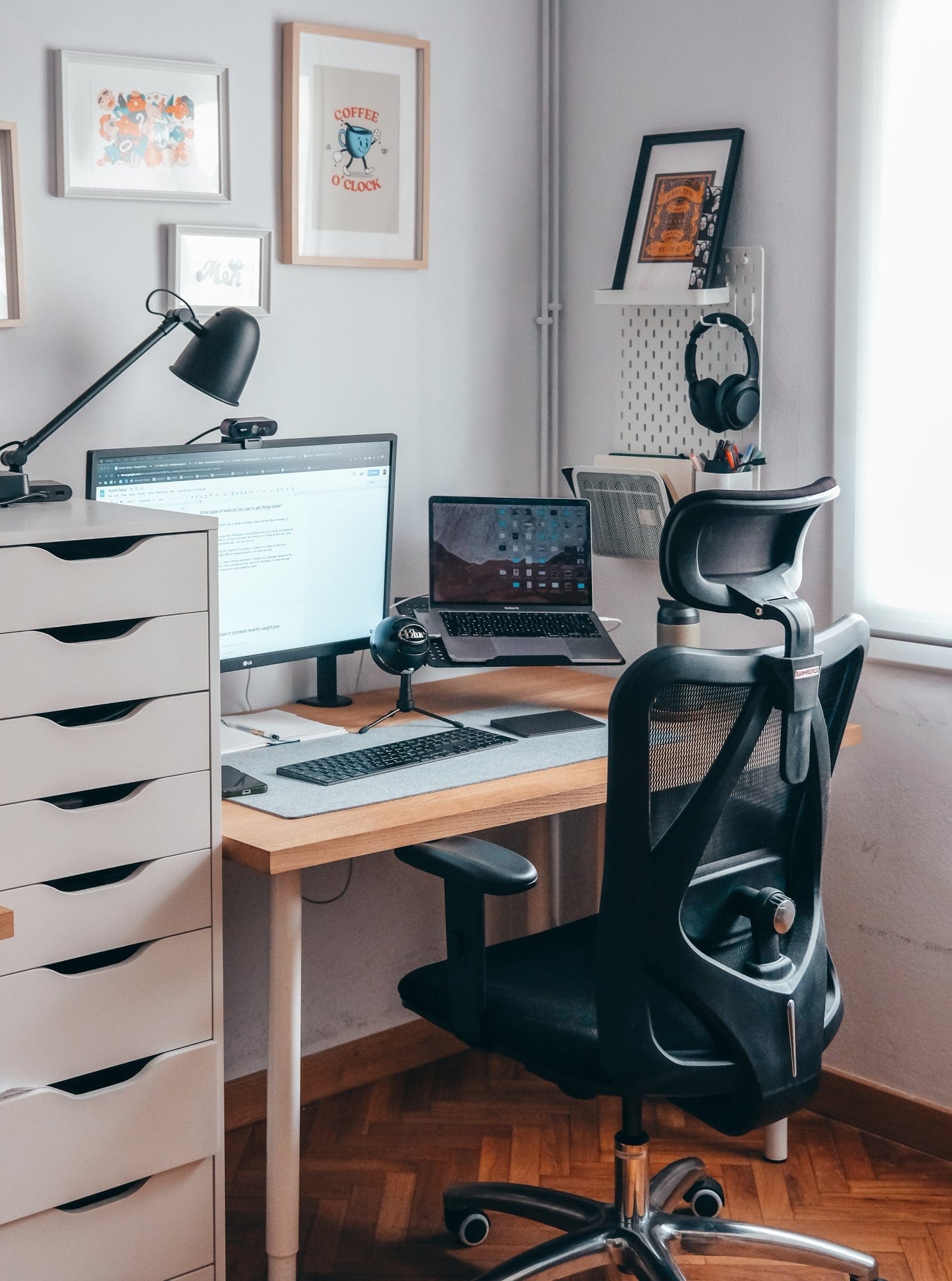
1. Use under-desk drawers (no drilling needed)
Got an empty underside? That’s your prime real estate.
Stick-on or clamp-on under-desk drawers let you add storage without bulky units. They’re great for stashing stationery, notebooks, or random bits that don’t need to be on show.
Try this:
- Under-desk drawer from Amazon — adhesive, slim, and smooth-glide
- IKEA ALEX add-on drawers — if you’ve got space beside or under your desk

Pro tip: Go for a slide-out model with dividers to keep things from rattling around.
2. Attach a cable tray underneath
Cables are sneaky. One minute your desk looks clean, the next it’s a spaghetti junction.
A simple under-desk cable tray hides everything out of sight — chargers, extension leads, even bulky adapters.

Best pick:
- IKEA SIGNUM cable trunking or SÄTTING cable management box — minimal, affordable, and renter-friendly
- Stageek cable raceway kit for wall-to-desk routing
Pro tip: Label each cord before threading it in. Future you will be grateful.
3. Magnetise your metal surfaces
If your desk has any metal parts — or you’re using metal accessories like shelves or pegboards — magnetic organisers are a dream.
Use magnetic cable clips, pen holders, or even mini trays to keep things neat without adding bulk.
Great options:
- smofish magnetic cord organiser — keeps charging cords exactly where you need them
- Magnetic hooks — compatible with metal pegboards and shelving frames, versatile, and no drilling
4. Add a clamp-on headphone hook
No drawers? No problem.
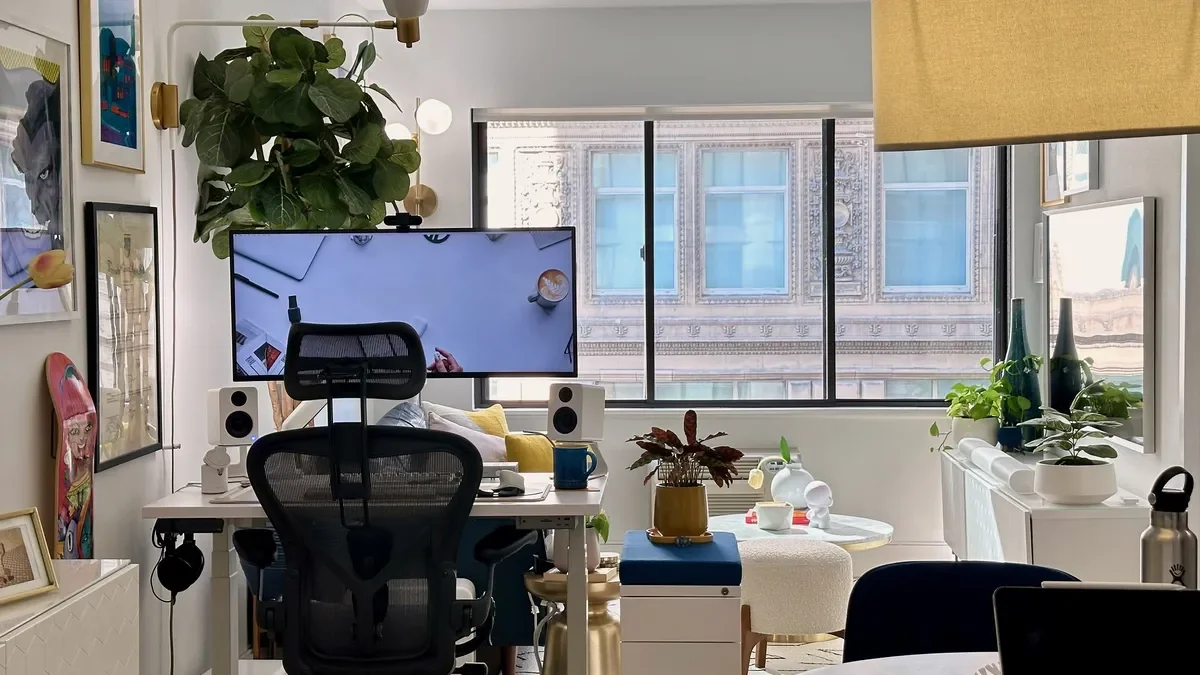
A clamp-on or under-desk hook gives your headphones a home and frees up desk space. Most double as cable holders too.

Recommended:
- Elevation Lab Anchor Pro — sticks under your desk, also holds cords
- Avantree Neetto headphone hanger — super affordable, no tools required
5. Use a wall-mounted pegboard
No room on the desk? Go above it.
Pegboards like IKEA SKÅDIS are brilliant for holding small trays, pen pots, tech gear, or even plants — all within arm’s reach but off the surface.
Reader favourites:
- IKEA SKÅDIS — modular, minimal, and totally customisable
- Wall Control metal pegboard — more industrial look, strong magnet compatibility
Pro tip: Mount it with Command strips or no-drill brackets if you’re renting.
6. Try a desk shelf or riser
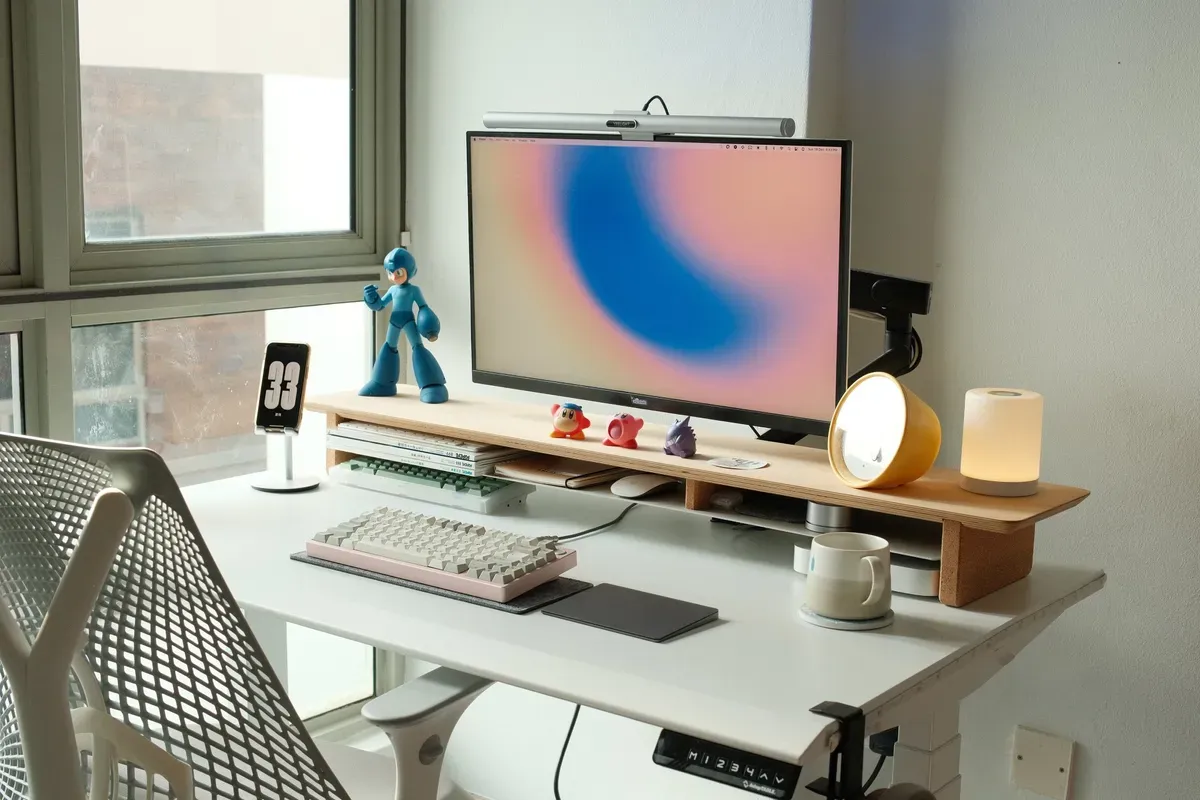
A desk shelf creates a second tier for storage — perfect for notebooks, pens, and hard drives. It also lifts your screen to eye level, improving ergonomics.

Our picks:
- Grovemade desk shelf — premium wood, beautifully made
- IKEA ELLOVEN monitor stand — with built-in drawer and cable routing
7. Use vertical desktop organisers
Don’t spread out — stack up.
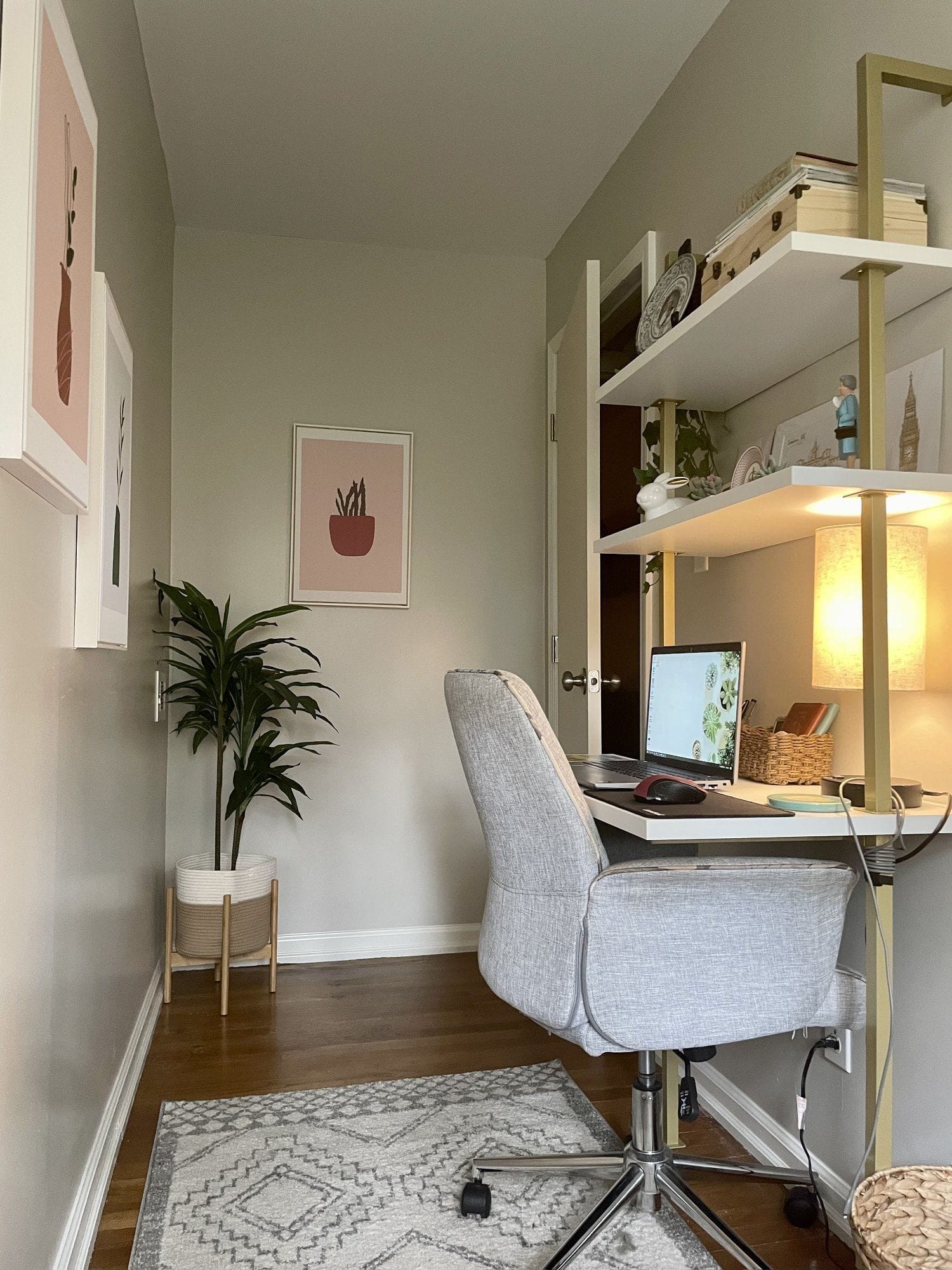
A vertical file holder, tiered tray, or mini shelf takes up the same footprint but stores way more.

Great for small desks:
- Muji acrylic drawers — clear, stackable, minimal
- HKeeper stackable letter trays — compact and budget-friendly
8. Store gear on your monitor
Yes, really.
Clip-on monitor top shelves let you perch small items like speakers, plants, or notes on top of your screen — ideal if you’ve got zero desktop space.
Clever find:
- EURPMASK 2-pieces top screen shelf — universal fit, adjustable angle
- VIVO Easy TV and monitor top shelf — with a 30cm-wide padded platform and rotary clamp
9. Use a rolling cart or side caddy
If your desk is small, move storage just beside it.
A 3-tier rolling cart or slim drawer unit keeps everything handy but off the desk. Wheel it away when not in use.

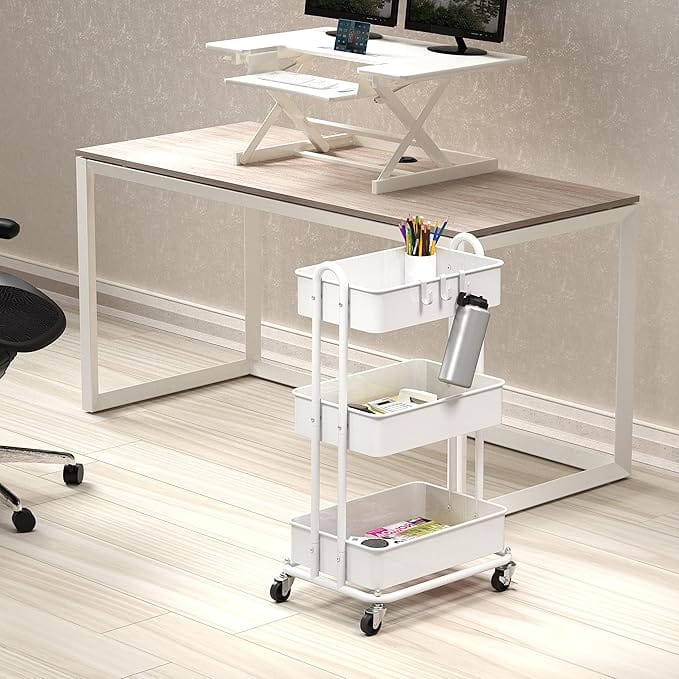
Simple Houseware 3-Tier Metal Utility Rolling Cart
This sturdy little metal trolley is a home office lifesaver — three deep tiers for storing all your bits and bobs, from notebooks to snacks. It’s got wheels (with brakes!), so you can roll it wherever you need, then lock it in place. Compact but solid, it keeps everything within reach without taking over your space.
Check price on Amazon
Must-tries:
- SONGMICS rolling cart — slim, deep shelves, moves easily
- IKEA RÅSKOG trolley — a cult classic for a reason
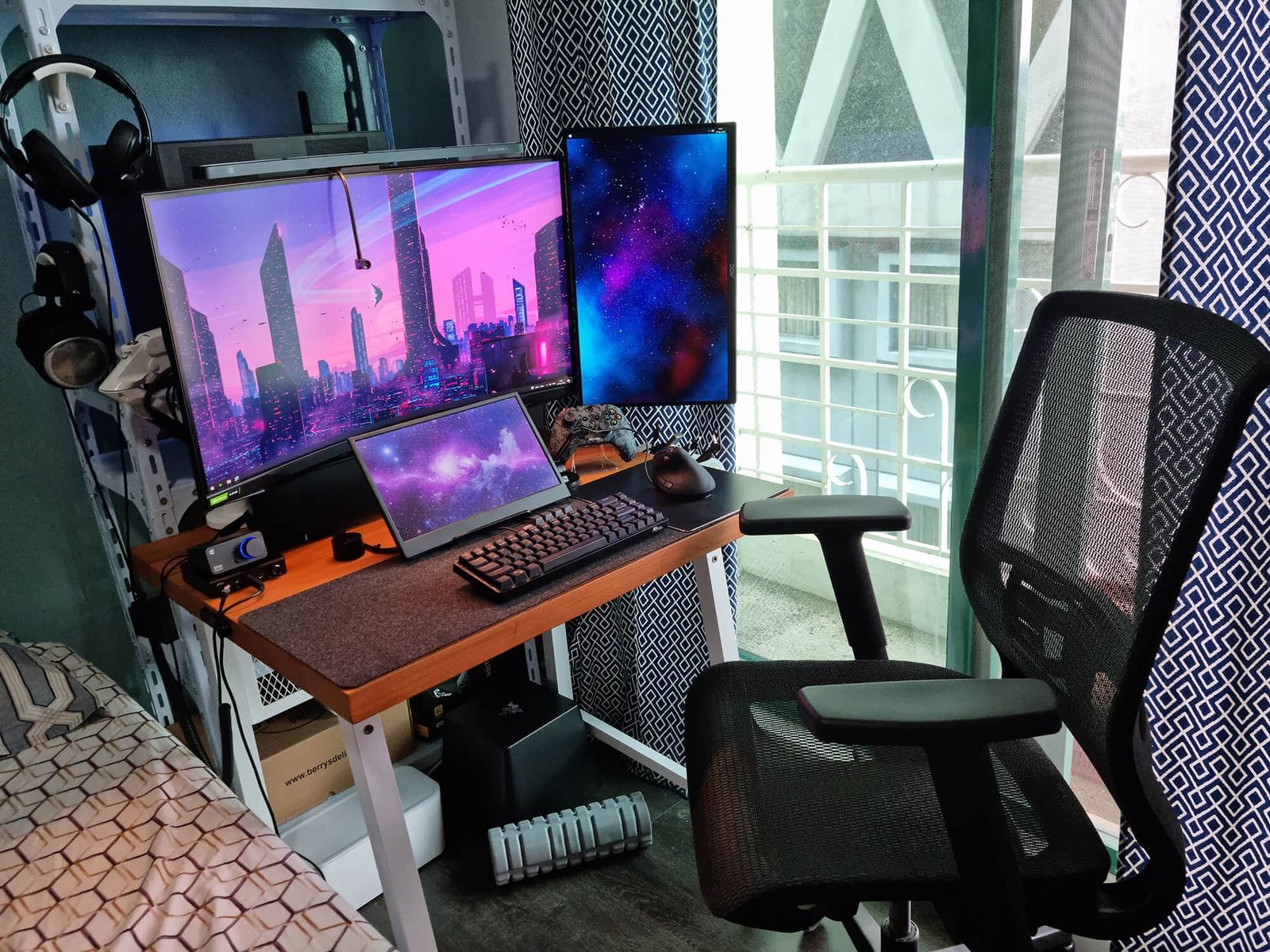
10. Stash items behind your monitor
Got a large monitor or ultra-wide screen? There’s often space behind it.
Use that hidden spot to tuck notebooks, post-its, or a small tray — just don’t block ventilation.

Quick checklist: Desk storage without drawers
- Stick-on under-desk tray
- Clamp-on headphone hook
- Cable tray + clips
- Monitor riser with storage
- Pegboard or wall rail
- Magnetic organiser or tiered tray
- Vertical file holder or cable holder
- Rolling cart or organiser caddy
- Monitor shelf
- Hidden storage behind screen
Final tip: Start with one pain point
You don’t need to buy ten things today. Just identify what annoys you most — tangled cords, lost pens, zero drawer space — and fix that first.
Small desks can be smart desks.
And with the right tweaks, even the tiniest surface can stay organised, calming, and genuinely enjoyable to work at.
We’re a reader-supported publication. This article might contain affiliate links. It means we may receive a commission if you click a link and buy a product that our maker has recommended. The interview was done independently.

