







Working from home can be a dream — unless you’ve got no room to work with.
If you live in a small flat or share your space with others, carving out a calm, productive corner for your job might feel impossible.
On the bright side — you don’t need a separate room or expensive furniture to build a home office that actually works.
In this guide, you’ll find 15 real-world small home office ideas to help you make the most of what you have — whether that’s a spare nook, a bedroom wall, or the awkward bit under the stairs.

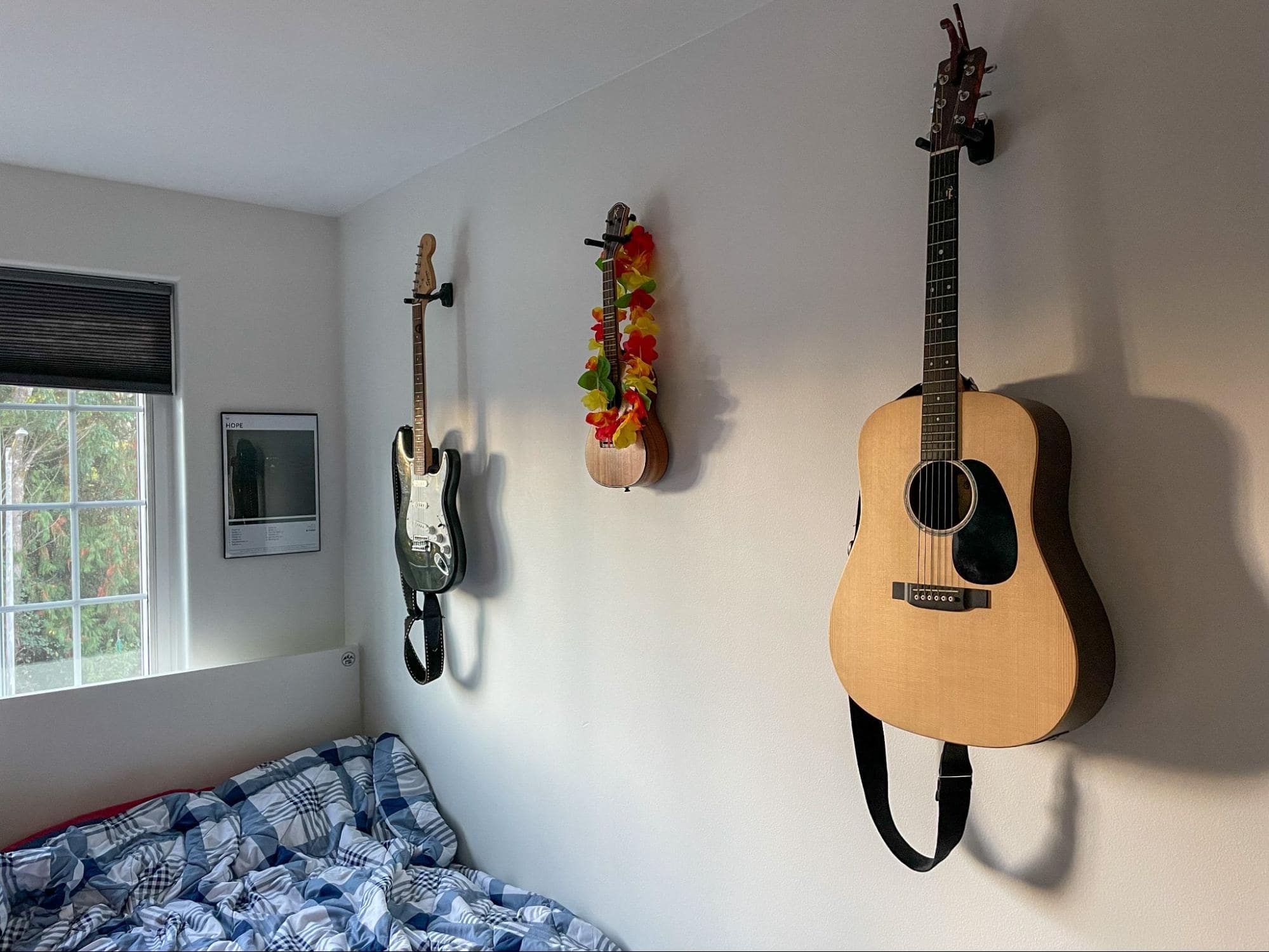
“My entire setup is floating”, says farm worker and student Eric about his DIY floating bedroom workstation in Washington State, US. “The idea came to me when I was inspired by TechSource’s floating setup, but my father and I took it a step further and welded an entire steel frame with a built-in cable rack to hold up the tabletop, headboard, and both of the shelving units on either side”.
1. Claim a corner and define it
The easiest way to make a home office in a small space is to pick a corner and own it. Even one square metre is enough if you zone it well.
Use a small rug, a standing lamp, or a pinboard to visually separate your desk from the rest of the room. This helps your brain recognise “work mode” even if you’re still in your bedroom.
Tip: Try placing your desk against a blank wall or sideways to a window — it helps cut down on distractions and keeps you focused.


2. Use wall-mounted desks and floating shelves
When floor space is limited, go vertical. Wall-mounted desks fold away when not in use, and floating shelves give you storage without bulk.

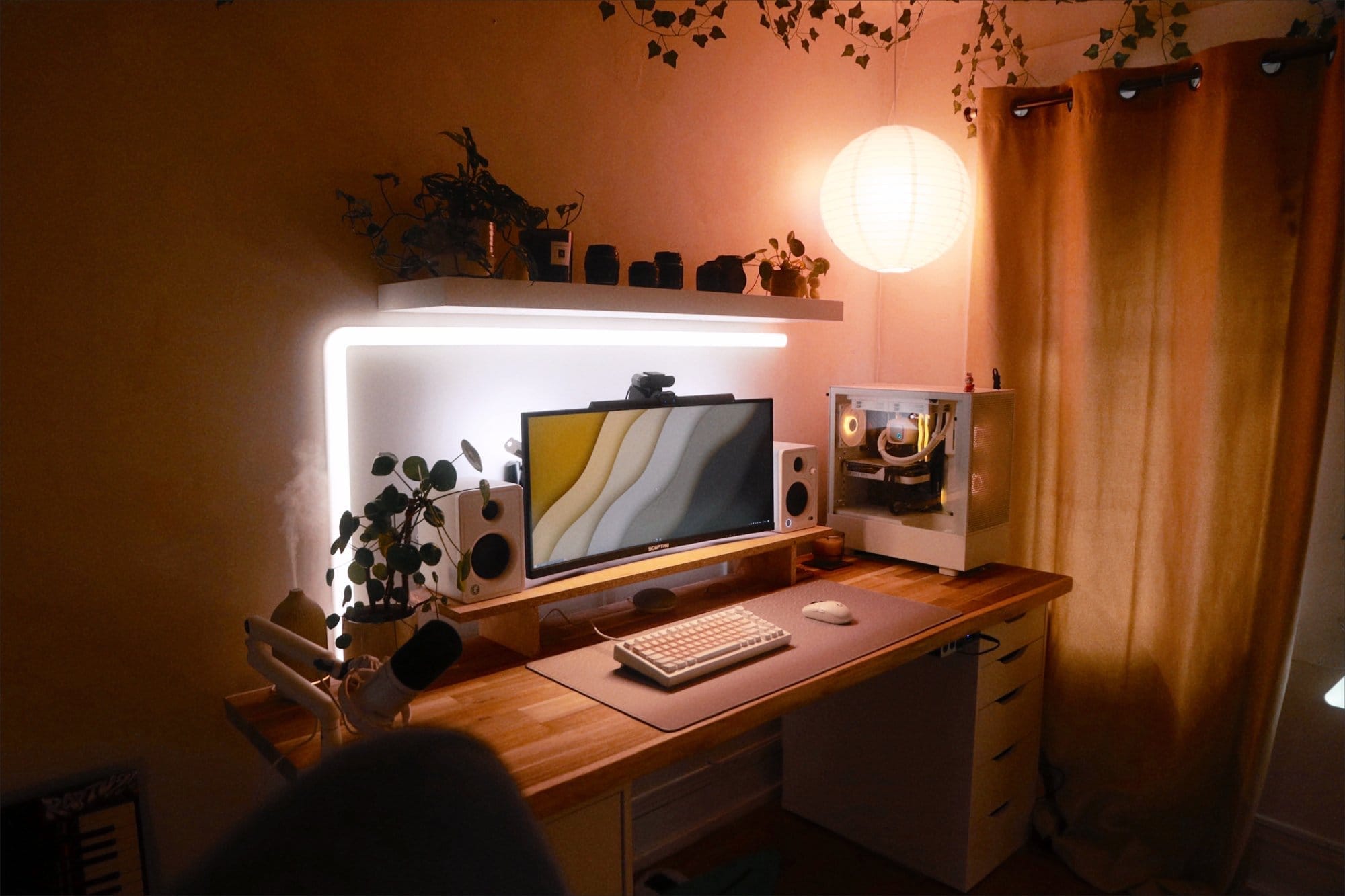
A fold-down desk is perfect for renters or shared spaces, and you can find surprisingly sturdy models that support laptops and monitors with ease.
Tip: Keep the shelf above your desk minimal — books, a plant, and a box for cables are plenty.
3. Turn your hallway into a mini office
Hallways are usually wasted space, but with the right setup, they make excellent micro-offices. Add a slim console table, a wall lamp, and an ergonomic stool that tucks underneath.
If you’re short on sockets, use a battery-powered lamp or run a single extension lead neatly using a cable tidy.
Tip: Paint the wall behind your mini desk a contrasting colour to set the zone apart.

4. Make use of awkward spaces — like under the stairs
That awkward area under the stairs? It’s gold dust for a small home office. With a custom or narrow desk and a task light, you can build a tidy and focused workspace in a spot you otherwise ignore.

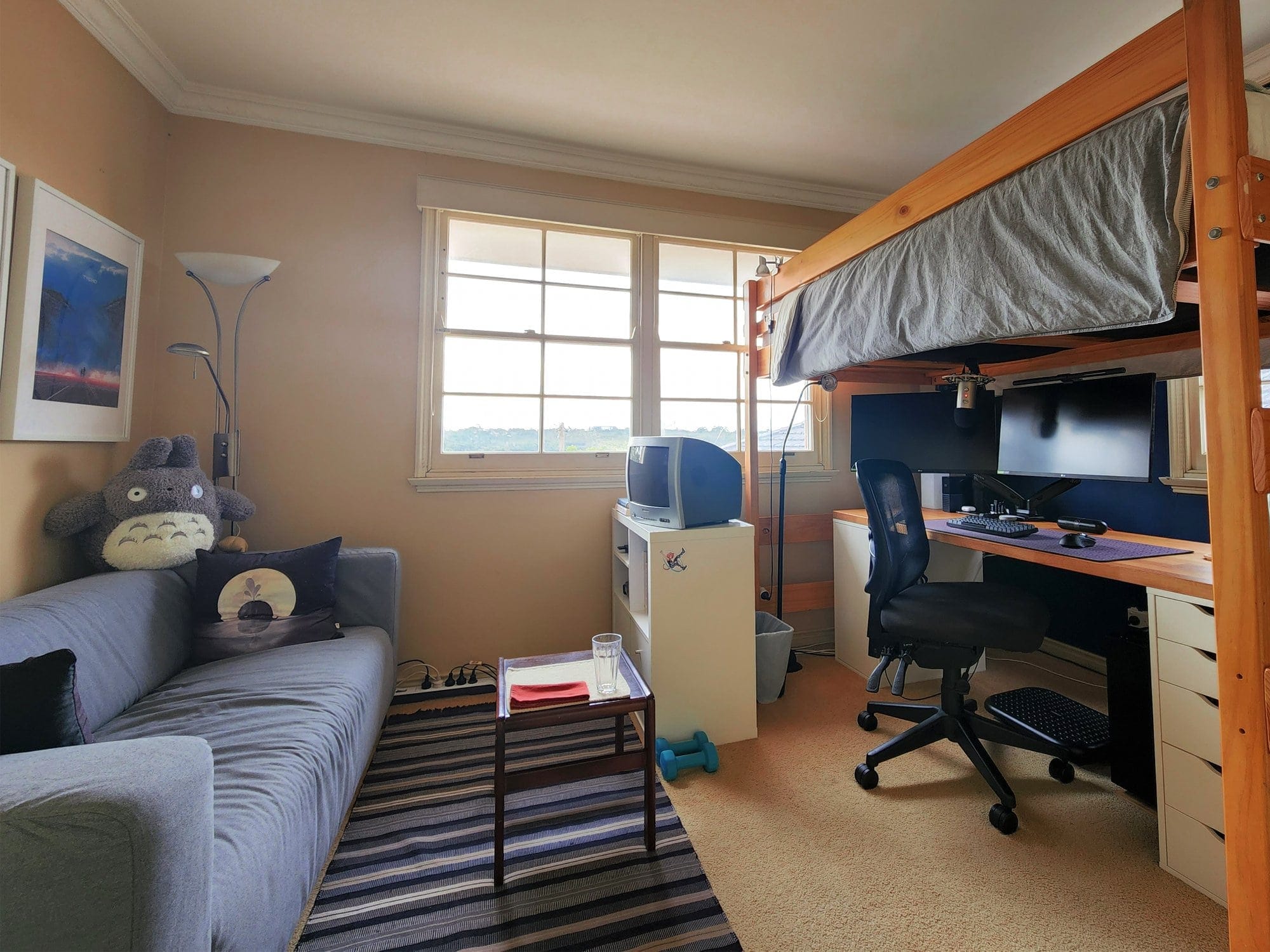
Tip: Add a curtain or screen if you want to tuck it away visually during downtime.
5. Choose furniture with hidden storage
Your desk doesn’t just need to look good — it needs to work hard. Pick pieces with drawers, cubbies, or lift-up lids/under-top shelves.
Storage ottomans and under-desk trolleys can hold stationery, files, or cables without adding visual clutter.
Tip: Look for slim desks with built-in drawers — even one drawer can keep your surface clear.

6. Build a calm bedroom work zone
If your home office lives in your bedroom, boundaries are everything. Keep the colours soft, avoid visual mess, and choose furniture that blends in with your bedroom decor.
Try to face the desk away from the bed if possible — this small shift can help separate work from rest.

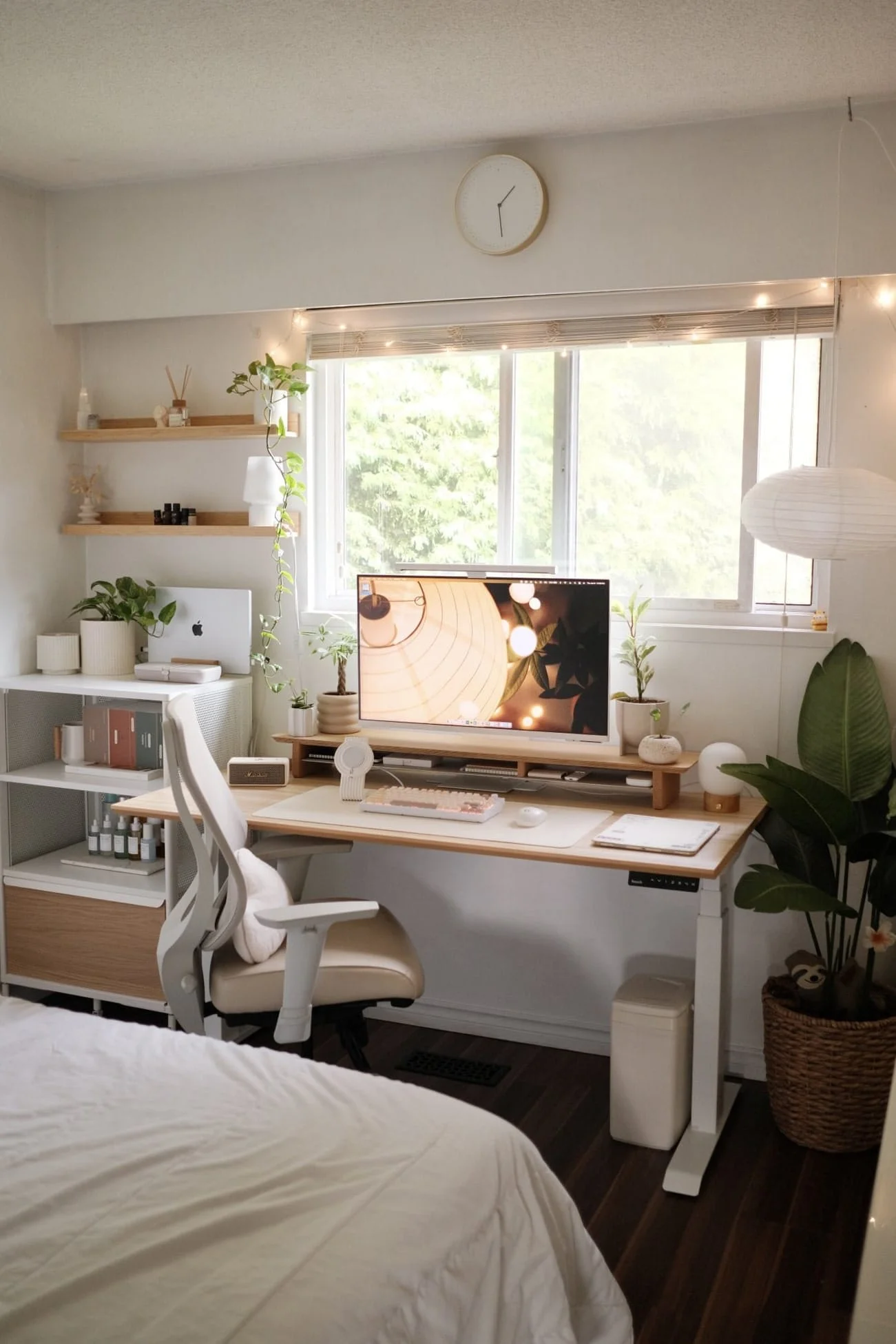
Tip: Use a small table lamp with a warm bulb for evening work without harsh overhead light.


Being productive at home is about getting the right things done, not everything done. That’s why we built Bento Focus.
7. Add light and plants — even in tight spots
Good lighting makes a small space feel bigger. Place your desk near a window if possible, but if not, invest in a compact daylight lamp to keep your mood and focus up.
A small plant on the shelf or windowsill adds life without taking up precious room.
Tip: Choose plants that thrive in low light, like pothos or snake plants.

8. Use pegboards to save surface space
Pegboards aren’t just for tools. They’re brilliant for small office setups because they let you store stationery, chargers, headphones, and even plants up off the desk.
IKEA SKÅDIS or any perforated board with modular hooks can be adapted to suit your needs.

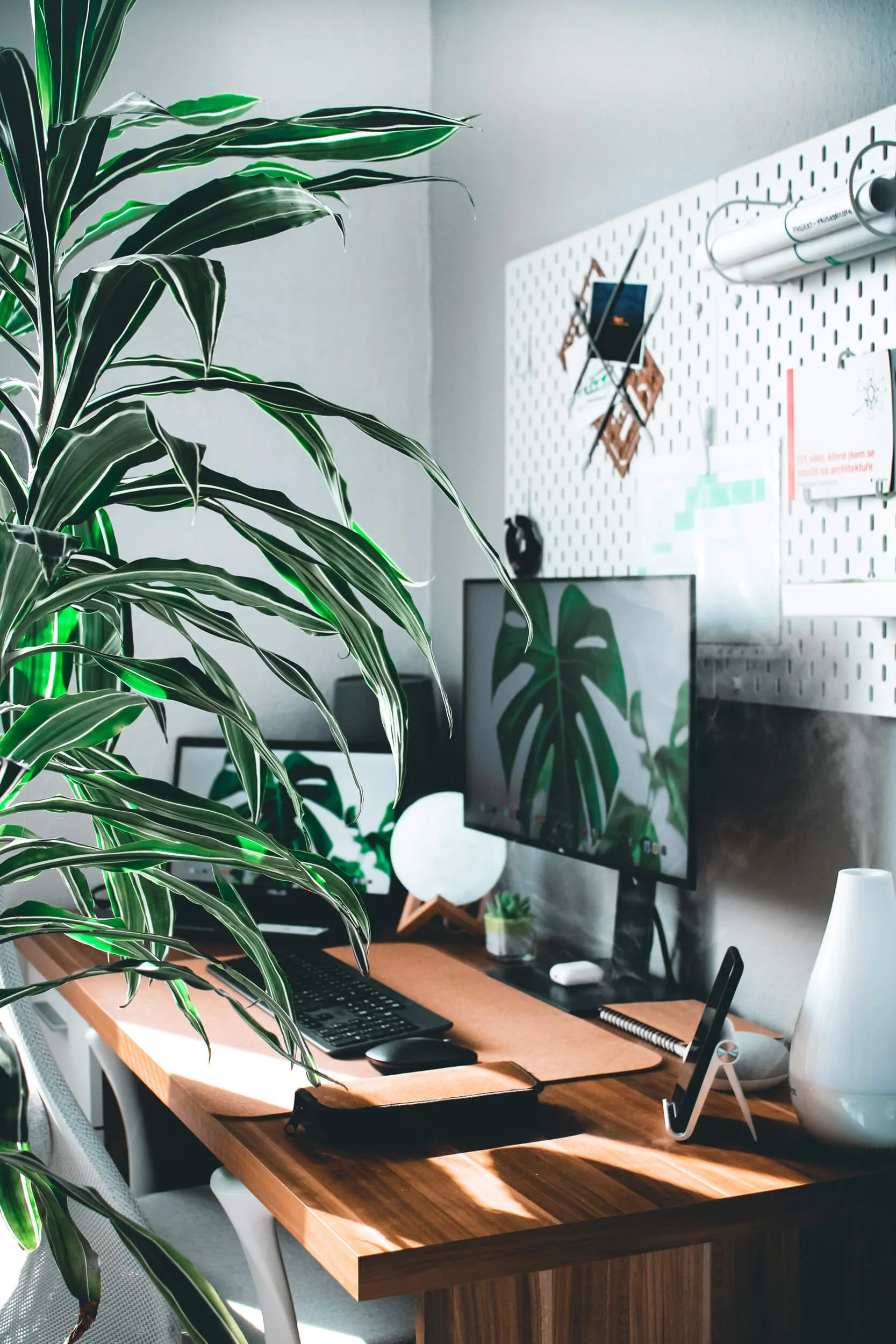
“My favourite item is hung on the wall — it’s the SKÅDIS pegboard from IKEA. I’ve had it since the very beginning of creating my home office”, says Matúš Gocman from Slovakia, the owner of this clean home office setup. “I mainly use it as a place where I keep things that I need at hand: the projects I’m working on, cables, keys, chargers, and so on”.
Tip: Keep the layout flexible. Your needs will change over time, and your pegboard should too.
9. Use curtains or room dividers for mental space
If you work in a shared living room or bedroom, being able to “close” your office at the end of the day is key.
A simple curtain, folding screen, or even a bookcase on wheels can do the trick.
Tip: Match your divider to your home’s style — linen curtains or plywood panels can look clean and intentional.

10. Add personality — but keep it minimal
It’s tempting to decorate every bit of wall near your desk, but in small offices, too much visual clutter can feel overwhelming.
Choose a few items that inspire or calm you — a photo, a potted plant, a framed print, a figurine, a book, or a candle — and let the rest breathe.

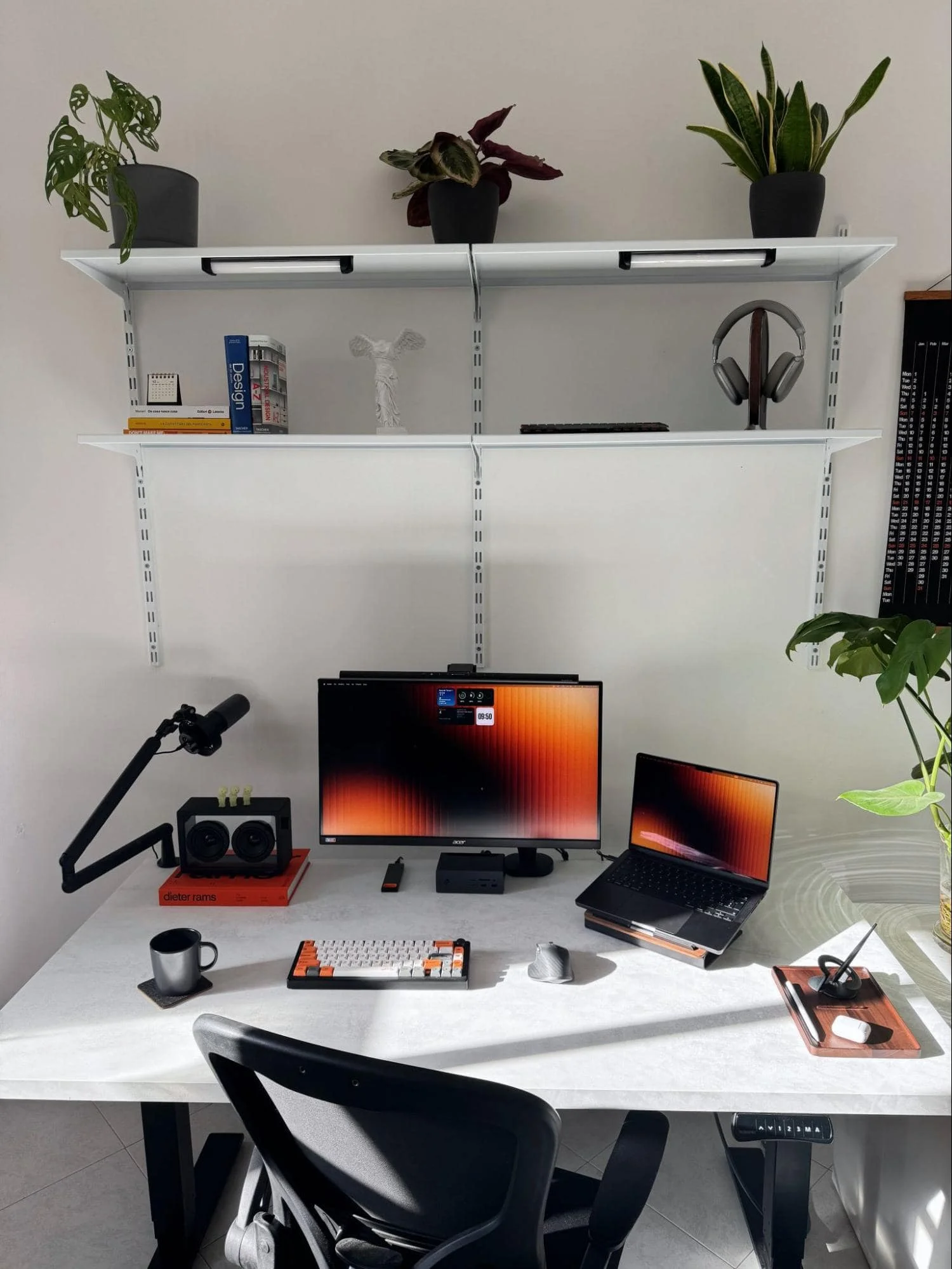
Tip: Use a desk tray to corral small bits like pens, clips, and chargers. It keeps things neat without constant tidying.
11. Build a standing desk bar in your kitchen
Kitchens often have unused counter space or high breakfast bars. Add a tall stool and a laptop stand, and you’ve got an instant standing desk option.
Tip: Don’t forget an anti-fatigue mat if you’ll be standing for long periods.
12. Use sound and scent to shift into work mode
If space separation isn’t possible, try sensory cues to mentally transition into work. A specific playlist, a candle, or a diffuser you only use during work hours can train your brain to shift gears.

Tip: Pair this with a short “start routine” (like opening your notebook or setting a timer) to lock in the habit.
13. Try a portable desk setup
If you can’t dedicate space full-time, a mobile setup might suit you. A foldable laptop stand, wireless keyboard, and rolling storage trolley can turn your kitchen table into a temporary workspace.

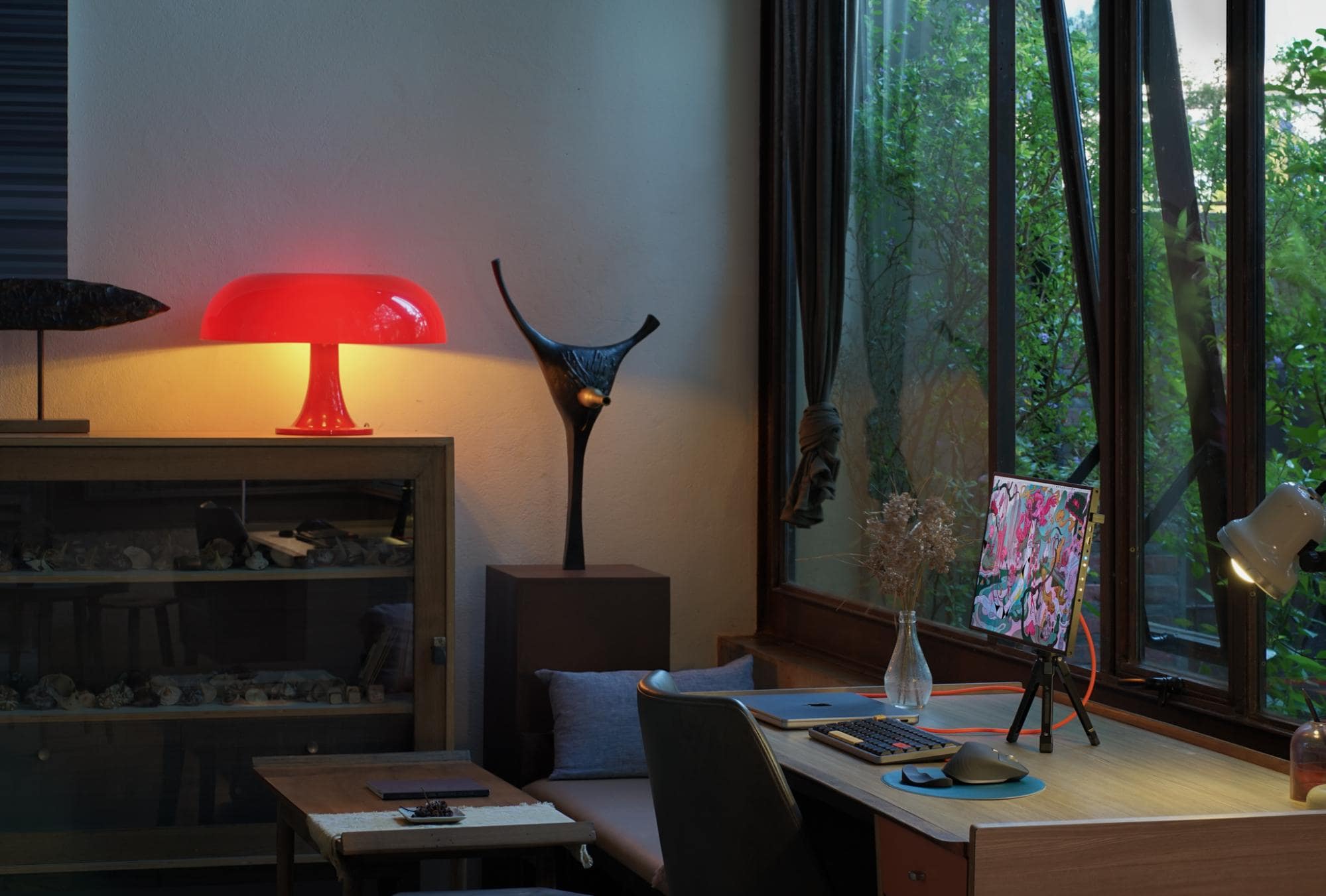
“One big thing that struck me was how portable monitors often suffer from awkward mounting methods that lack a firm grip”, says Bronzegated from Tokyo about his travel desk setup. “Eventually, I found a monitor with a threaded insert that’s compatible with nearly all vlogging accessories. Today, the monitor sits on a ball-joint head. This gives me extensive flexibility to adjust its angle — from vertical to horizontal positions, and tilting anywhere from downward to upright. Unlike a typical laptop stand, the tripod takes up much less space both on the desk and vertically, freeing up room for more accessories. This is especially handy when travelling, since desk sizes can vary a lot”.
Tip: Store everything in one box or basket when you’re off the clock — out of sight, out of mind.
14. Go dual-purpose with a wardrobe desk
If your space is really tight, consider turning a built-in wardrobe or cupboard into a mini home office. With a pull-out shelf or slim desk surface, you can tuck everything away when it’s not in use.
Some people even install under-cabinet lighting and a pinboard inside the doors for extra functionality.

Tip: Use a magnetic strip or adhesive hooks on the inside of the doors to hang headphones, notes, or cables.
15. Set boundaries with sound, especially in shared flats
In small or shared homes, noise can be the biggest productivity killer. A small home office isn’t just about furniture — it’s about headspace too.
Invest in noise-cancelling headphones, soft furnishings that absorb sound (like rugs and curtains), or even a white noise machine if needed.
Tip: Use a visual cue — like headphones on or a small “on air” sign — to let others know you’re in work mode.

You don’t need a dedicated room or a huge budget to create a home office that works.
With a bit of planning — and some creative furniture choices — even the smallest space can become a productive, peaceful place to work.
Start small. Choose one corner. Add a lamp. Then build up from there.
If you’re ready to fine-tune your actual desk layout, check out our small desk setup guide for real-life examples and smart accessories that keep things tidy.
We’re a reader-supported publication. This article might contain affiliate links. It means we may receive a commission if you click a link and buy a product that our maker has recommended. The interview was done independently.

